


Natural History & Materia Medica
Botanical, medical, and encyclopedic works
Illustrations
Browse all4 images extracted from 3 books
This woodcut from the 1596 edition of the Bencao Gangmu depicts a sage-like figure resting beneath a Tianshi Li (Chinese horse-chestnut) tree. Such illustrations served both to identify medicinal plants and to associate them with cultural or legendary figures, reflecting the holistic approach of early Chinese pharmacology.
This woodcut depicts a dragon (Long) soaring through clouds and flames, as illustrated in the 1596 edition of Li Shizhen's 'Bencao Gangmu'. In traditional Chinese medicine, various parts of the dragon (often fossilized bones) were believed to have medicinal properties, reflecting the integration of mythical creatures into historical scientific texts.
This woodcut illustration from Li Shizhen's 1596 'Compendium of Materia Medica' (Bencao Gangmu) depicts the Asafoetida plant, known in Chinese as Awei. The scene integrates the medicinal plant into a narrative landscape featuring a hunter and animals, reflecting the traditional Chinese approach of documenting natural history through both scientific observation and contextual storytelling.
This woodcut from the seminal 1596 edition of Li Shizhen's 'Bencao Gangmu' depicts the harvesting of 'Huang Teng' (Yellow Rattan). The illustration serves a dual purpose: providing a visual reference for plant identification and demonstrating the practical method of collection. As a cornerstone of traditional Chinese medicine, these detailed woodcuts were essential for practitioners to accurately source and utilize natural remedies.
All Books
Browse Full Catalog→44 books in this collection
Compendium of Materia Medica, Vol. 49
李時珍
Compendium of Medicinal Substances, Volume 33
李時珍
Supplement to the Compendium of Materia Medica, Volume 4
趙學敏
Compendium of Materia Medica
李時珍
Compendium of Materia Medica, Volume 2
李時珍
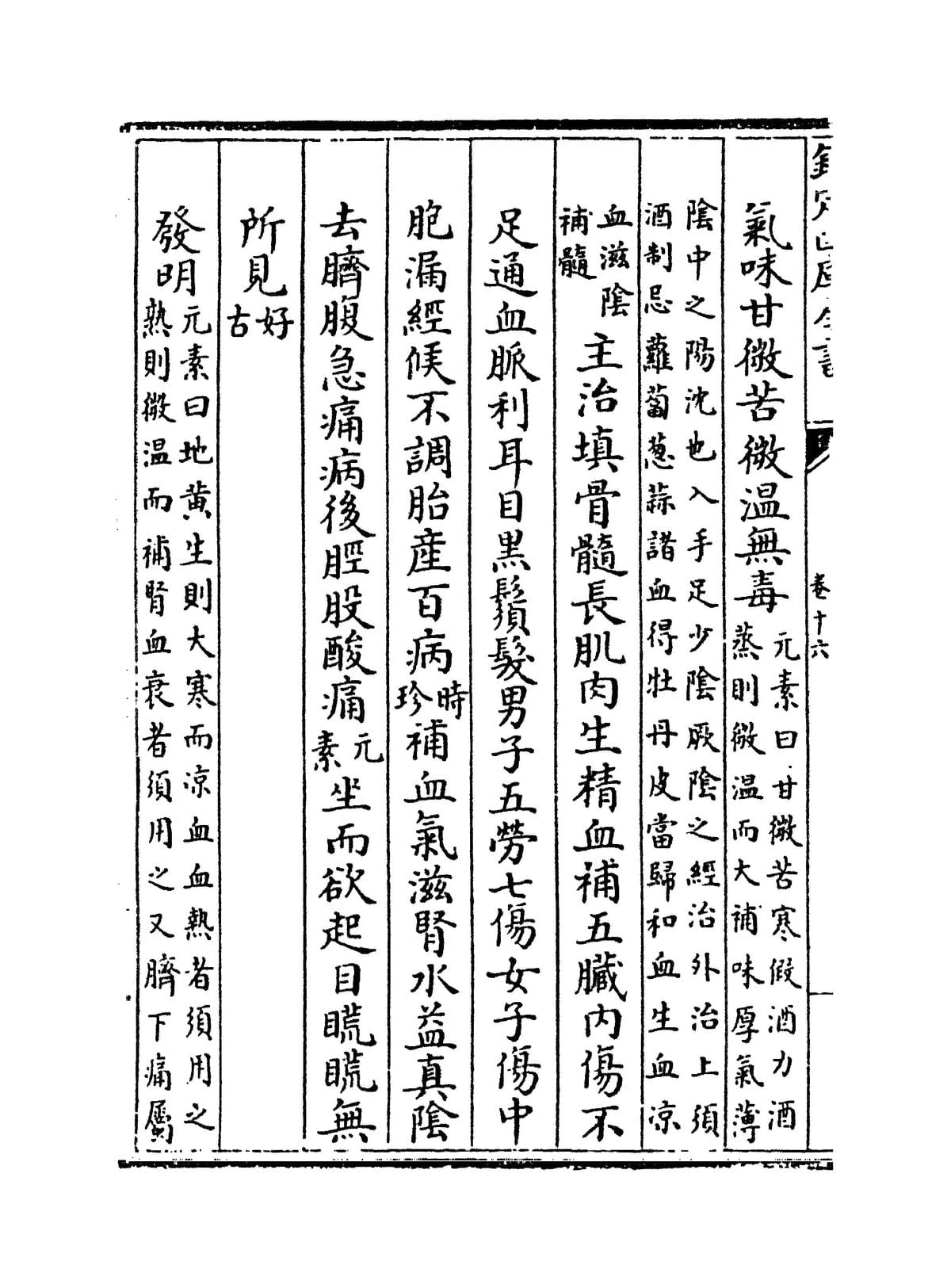
Compendium of Materia Medica, Vol. 16
李時珍
本草綱目 (Bencao Gangmu) - Compendium of Materia Medica
Li Shizhen (李時珍)
Compendium of Materia Medica, Volume 1 Upper ~ Volume 1 Lower
李時珍
Bencao Gangmu (Compendium of Materia Medica) (Vols. 39-40)
李時珍
Bencao Gangmu (Compendium of Materia Medica) (Vol. 36)
李時珍
Bencao Gangmu (Compendium of Materia Medica) (Vol. 34)
李時珍
Bencao Gangmu, Volume Upper-Middle
李時珍
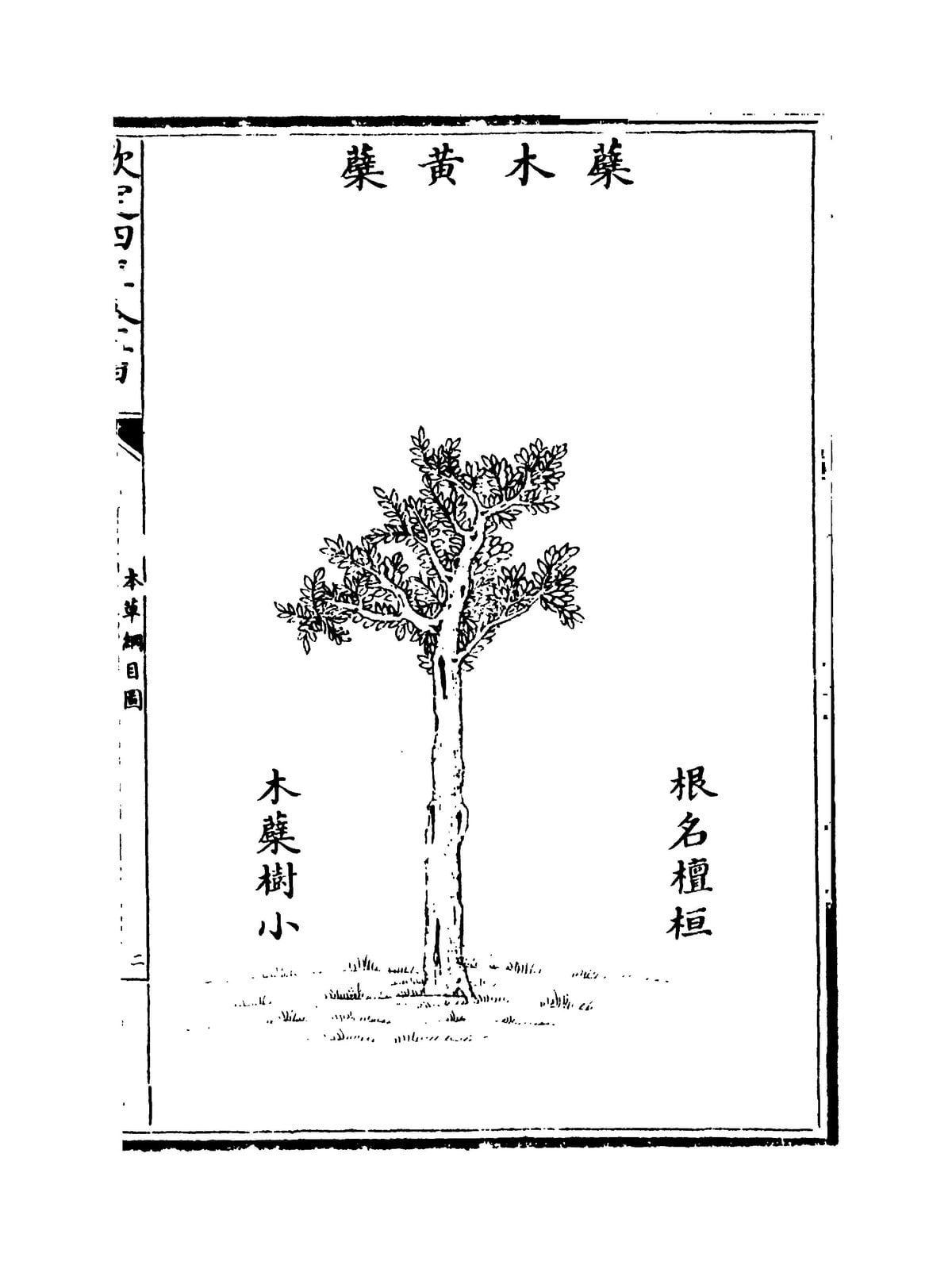
Compendium of Materia Medica
李時珍
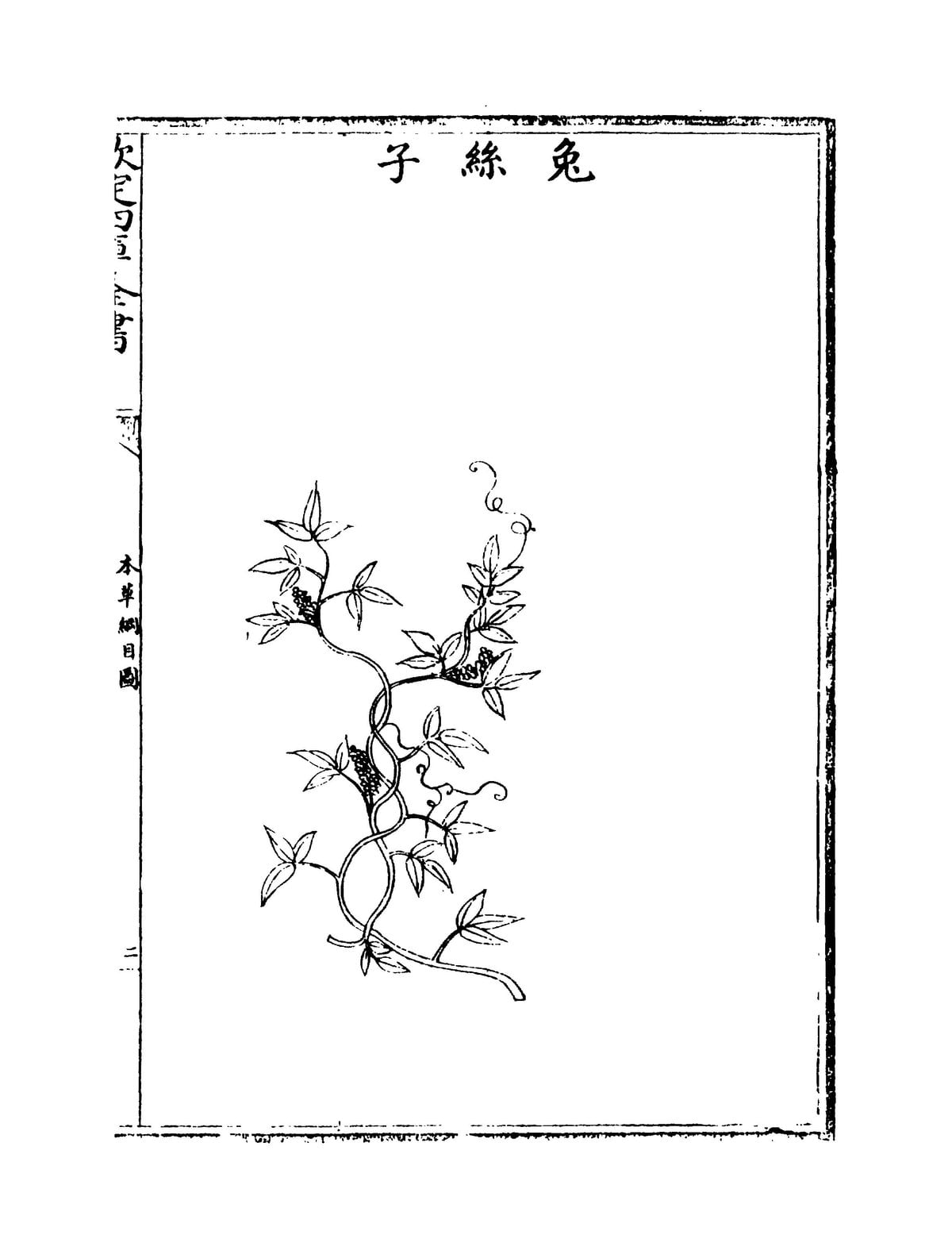
Compendium of Materia Medica
李時珍