


Illustrations
Browse all60 images extracted from 11 books
This detailed woodcut illustrates an oat plant (Avena sativa), capturing the delicate structure of its panicles. At the base, three geese are depicted, a common visual shorthand in early herbals to indicate the plant's primary use as animal fodder.
This hand-colored woodcut illustrates the tragic Ovidian tale of Pyramus and Thisbe, set beneath a mulberry tree. According to the myth, the tree's white berries were permanently stained dark red by the lovers' blood, an etiological story often included in early herbals to provide cultural and literary context for botanical species.
This botanical illustration depicts a medicinal plant, meticulously rendered with its root system and leaf structure. Such images were central to early pharmacological texts, such as the Vienna Dioscurides, serving as essential visual guides for identifying plants used in ancient and medieval healing practices.
This intricate bookplate centers on the Stoic maxim 'Otium sine litteris mors est' (Leisure without literature is death), a sentiment central to the humanist tradition of Horace and Seneca. The composition features the iconic Aldine anchor and dolphin, symbolizing the balance of speed and stability in scholarly pursuit, surrounded by symbols of the liberal arts.
This woodcut portrait depicts the Swiss physician and naturalist Conrad Gessner (1516–1565) at the age of 39. Published in his seminal work 'Historiae Animalium', the image captures the scholar in traditional academic dress, emphasizing his authority and the intellectual rigor of his encyclopedic study of the animal kingdom.
This intricate engraving depicts a dramatic scene of combat between warriors in classical armor and powerful beasts, including a lion and a bear. The dynamic composition and fine crosshatching are characteristic of mid-17th-century European printmaking, likely serving as an allegorical illustration within the medical text. The imagery may symbolize the human struggle against the forces of nature or the ferocity of disease.

This detailed botanical illustration depicts a medicinal plant, likely from a Byzantine copy of Dioscorides' 'De Materia Medica'. The naturalistic rendering of the yellow flowers, serrated leaves, and complex root system reflects the transition from classical to medieval scientific observation, serving as a critical reference for early physicians.

This detailed engraving serves as the frontispiece for an 18th-century Dutch cookbook, depicting a diverse group of diners, including members of the clergy, gathered around a well-appointed table. The scene offers a fascinating glimpse into contemporary social life, showing both the formal dining room and a glimpse into the bustling kitchen where a cook prepares food over an open fire. The inclusion of religious figures reflects the book's specific focus on recipes suitable for Roman Catholics, particularly during periods of fasting.

This engraving depicts Jan Amos Comenius, the pioneering Czech educator and philosopher, at age 50 in 1642. Framed by a laurel wreath, this portrait serves as a testament to his intellectual stature and the enduring legacy of his educational reforms as presented in 'Orbis Sensualium Pictus'.
Visual Art
Browse all art →9 works of visual art in this collection
 painting
The Supper at Emmaus
Caravaggio
 painting
Autumn (The Seasons)
Giuseppe Arcimboldo
 painting
Summer (The Seasons)
Giuseppe Arcimboldo
 painting
Still Life: The Kitchen Table
Jean-Baptiste-Siméon Chardin
 painting
The Feast in the House of Levi
Paolo Veronese
 painting
The Land of Cockaigne
Pieter Bruegel the Elder
 painting
Vanitas Still Life
Pieter Claesz
 painting
Banquet Scene (Pompeii)
Unknown (Roman, 1st c. AD)
 painting
Banquet Scene with Drinkers (Roman fresco)
Unknown (Roman, 1st c. AD)
The ancient and early modern literature of food, cooking, feasting, and the table as a site of culture. From Roman recipe books to the extravagant banquets described by Petronius and Athenaeus, from medieval German cookbooks to Renaissance agricultural manuals. The feast is where wine meets conversation, where the body meets the soul, where the kitchen becomes philosophy.
All Books
Browse Full Catalog→53 books in this collection

Essential Techniques for the Welfare of the People, Vols. 1-3
Jia Sixie
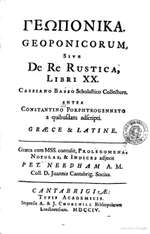
Geoponica: De re rustica libri XX
Cassianus Bassus

Essential Techniques for the Welfare of the People
Jia Sixie
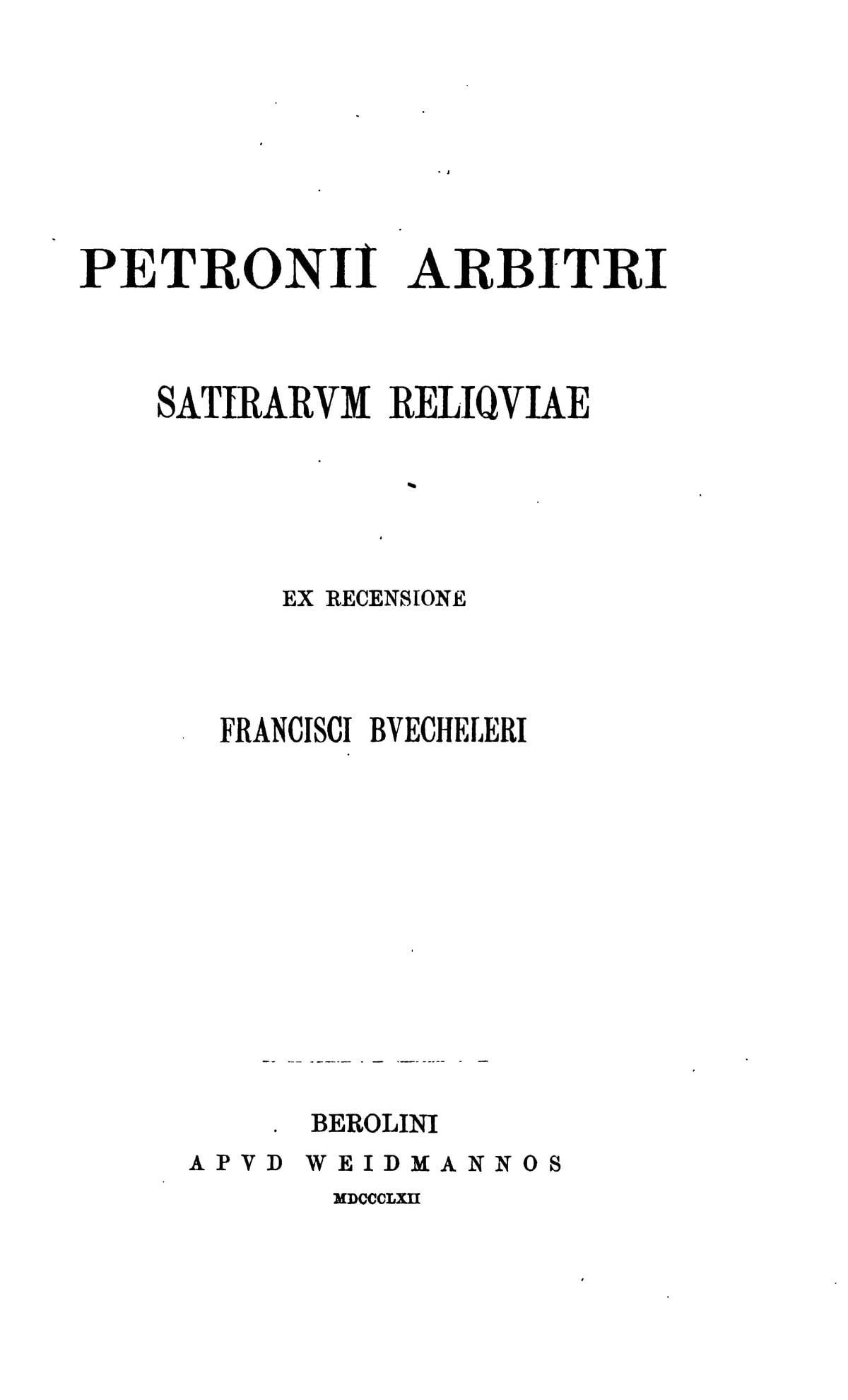
The Satyricon
Petronius Arbiter (ed. Franz Buecheler)
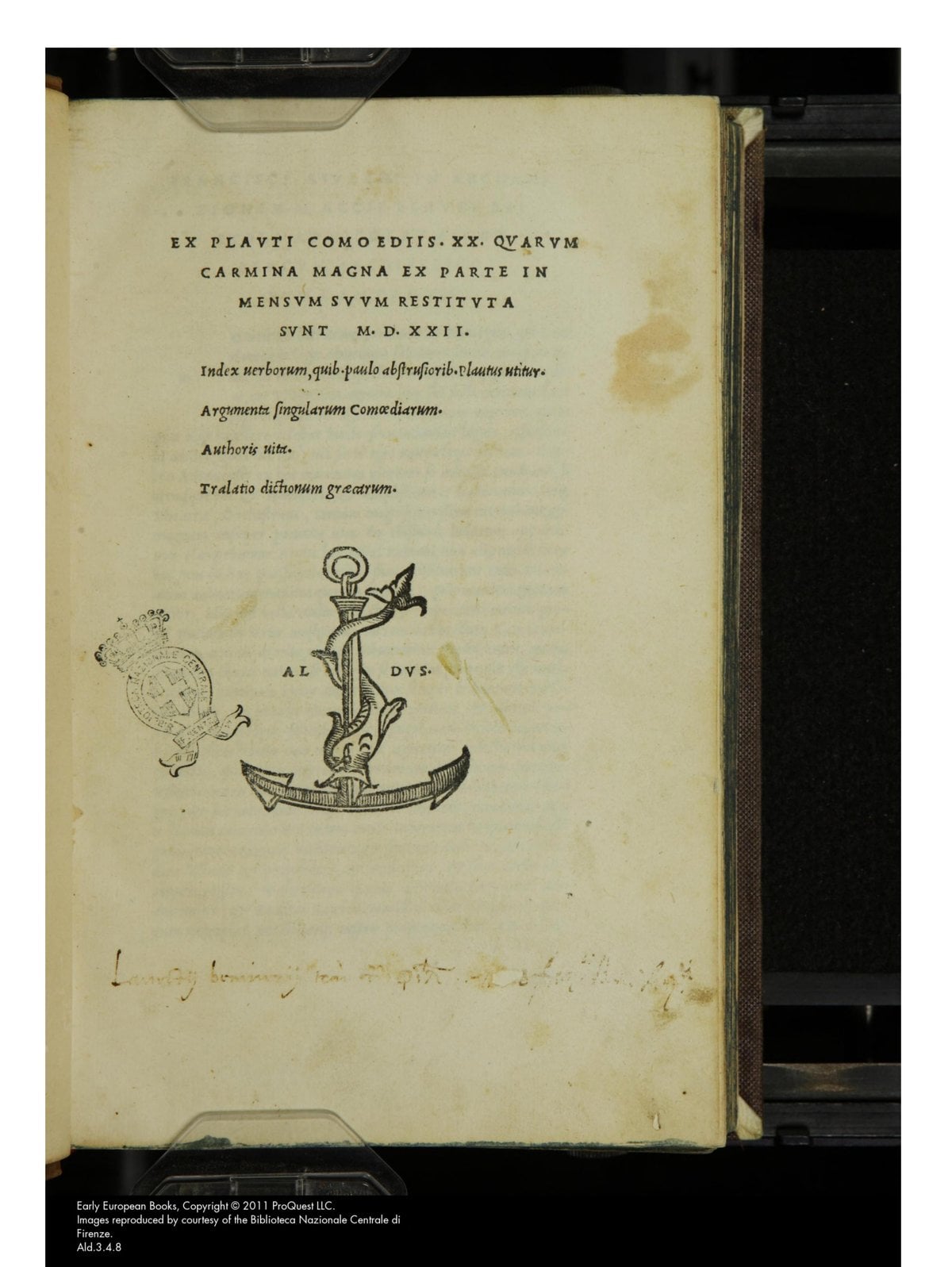
Plautus, Twenty Comedies
Plautus
Quaestiones Convivales (Moralia 46 = Plan. 78) (defective at the end and with lacunae) (Cambridge, University Library, MS Nn.2.39)
Plutarch
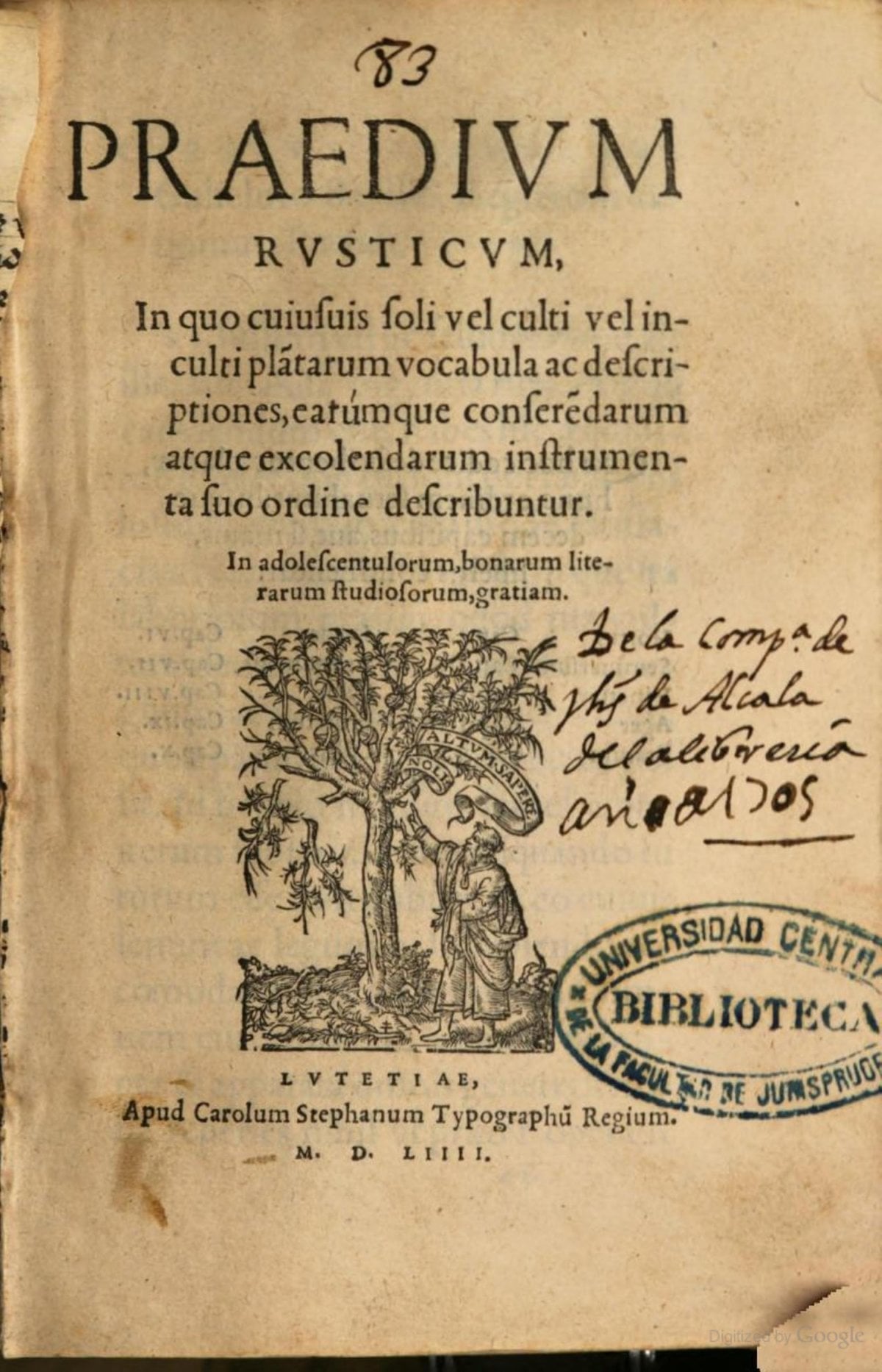
The Country Farm
Charles Estienne