

Illustrations
Browse all2 images extracted from 2 books
This image depicts Lord Dhanvantari, the Hindu god of medicine and an avatar of Vishnu, traditionally invoked at the beginning of alchemical and medical treatises. He is shown with four arms holding symbolic objects, most notably the amrita kalasha (pot of nectar), representing the quest for immortality and healing central to the Rasārṇavakalpa.
This halftone portrait depicts three Indian scholars, including Pandit Shri Jivanathji as identified by the accompanying text. Seated in traditional attire, the central figure holds an open book, emphasizing the scholarly and intellectual tradition from which the 'Rasataraṅgiṇī' emerged.
The Indian alchemical tradition known as Rasaśāstra ("science of mercury") developed sophisticated theories of metallic transmutation, pharmaceutical preparation, and bodily transformation. These Sanskrit texts — from the Rasārṇava's tantric mercury rites to the Rasaratnākara's systematic pharmacopoeia — document a living tradition linking Śaiva tantra, Āyurvedic medicine, and the quest for bodily immortality through mineral elixirs.
All Books
Browse Full Catalog→16 books in this collection
A History of Hindu Chemistry, vol. 1
Prafulla Chandra Ray
A History of Hindu Chemistry, vol. 2
Prafulla Chandra Ray
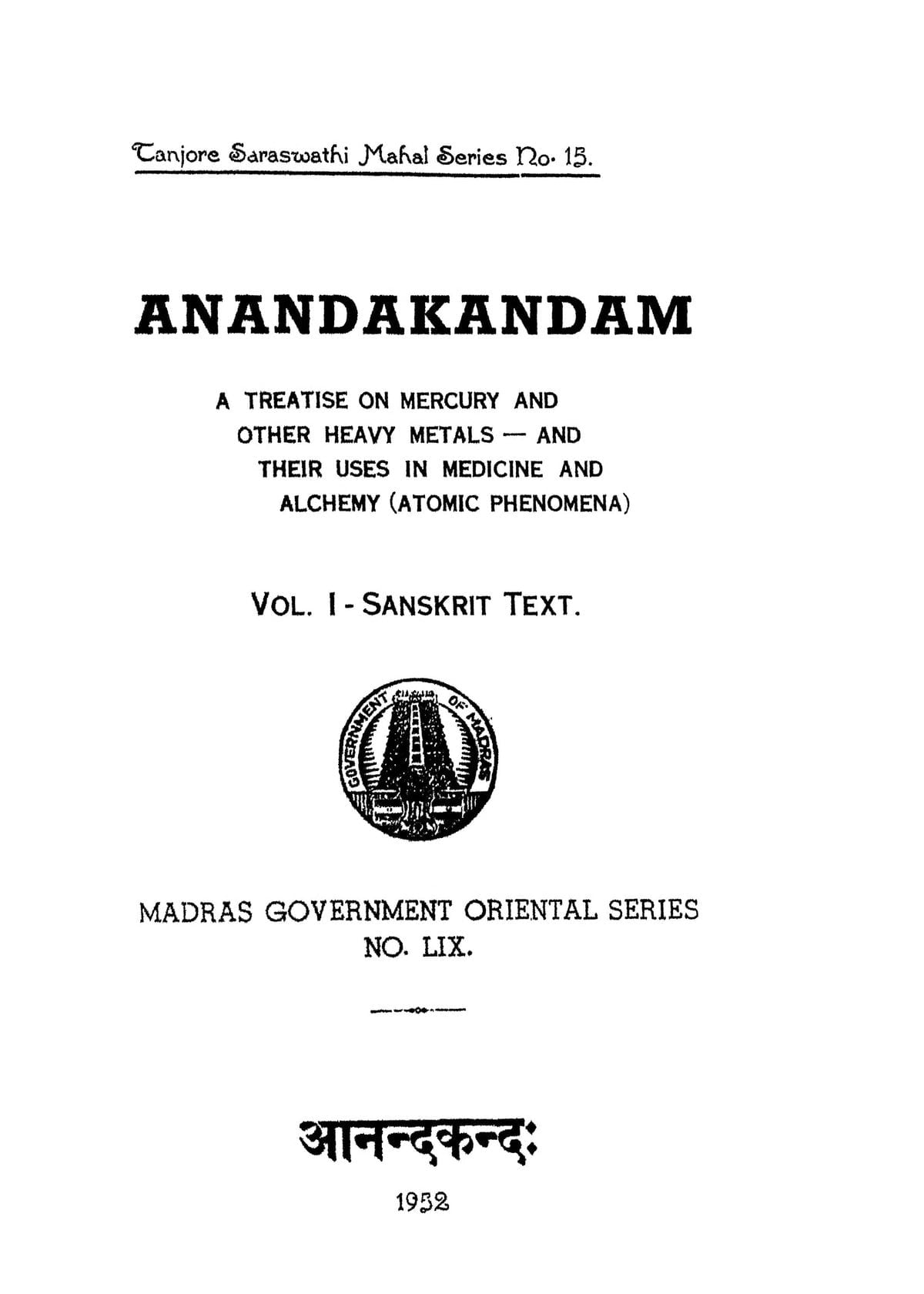
Ānandakanda
Rādhākṛṣṇa Śāstrī (ed.)
The Jewel of Desire
Nityānātha
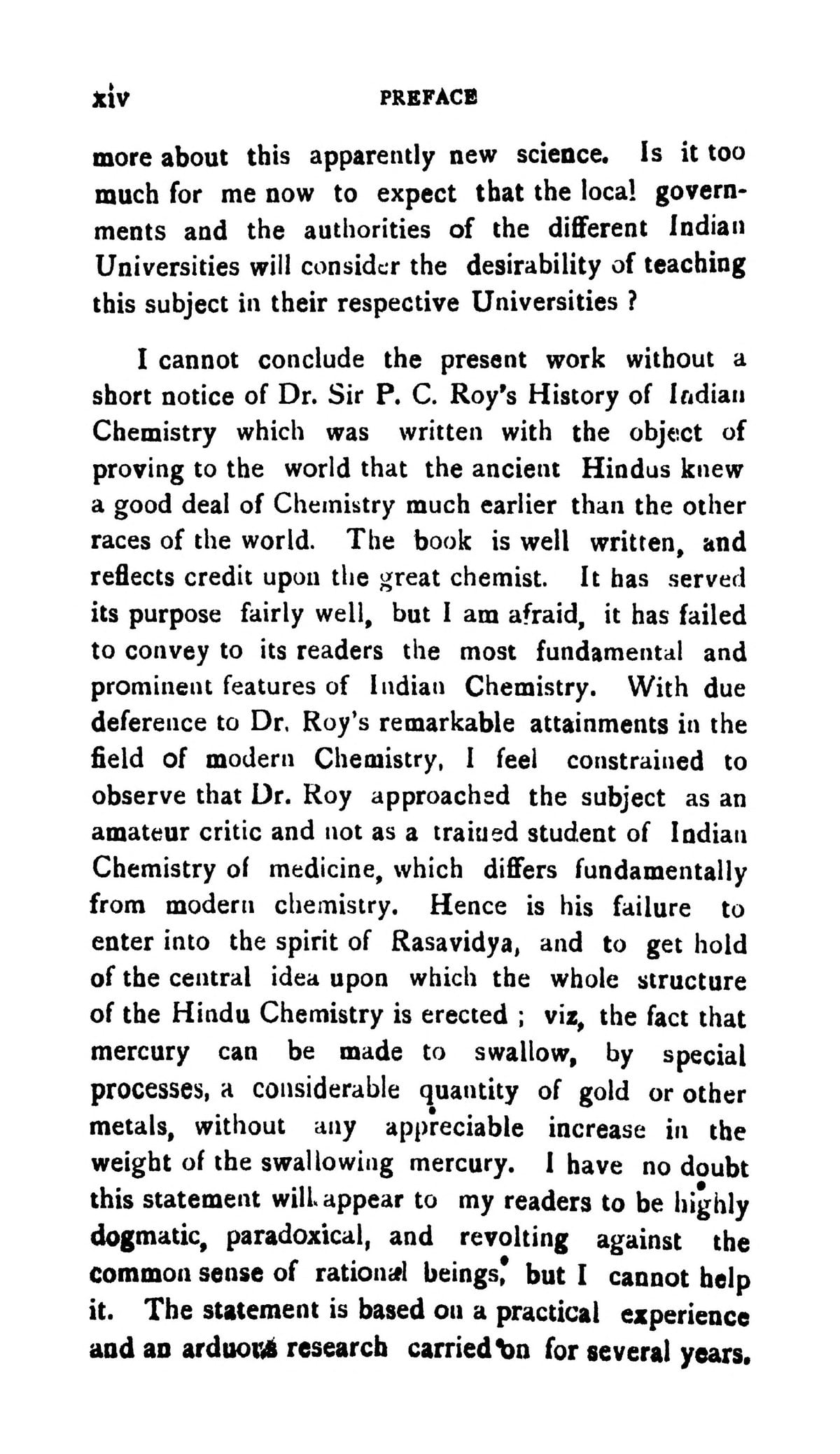
Rasa-Jala-Nidhi, or Ocean of Indian Chemistry & Alchemy, vol. 1
Bhūdeb Mukharjī (Mookerji)
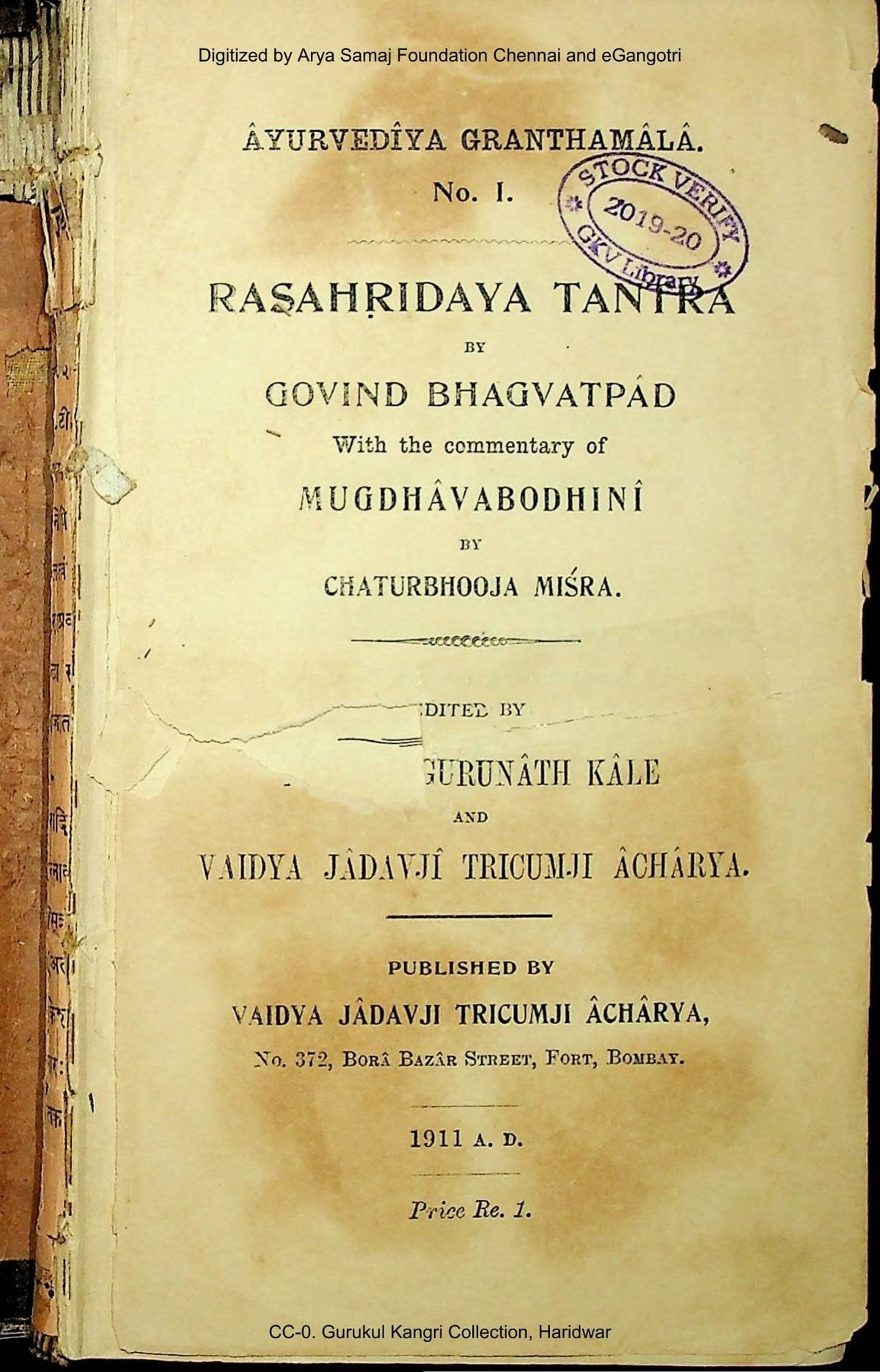
Rasahṛdayatantra
Caturbhuja Miśra; ed. Jādavjī Trikamjī Ācārya

Rasahṛdayatantra (1728 manuscript)
Govind Bhikṣu / Asiatic Society Mumbai
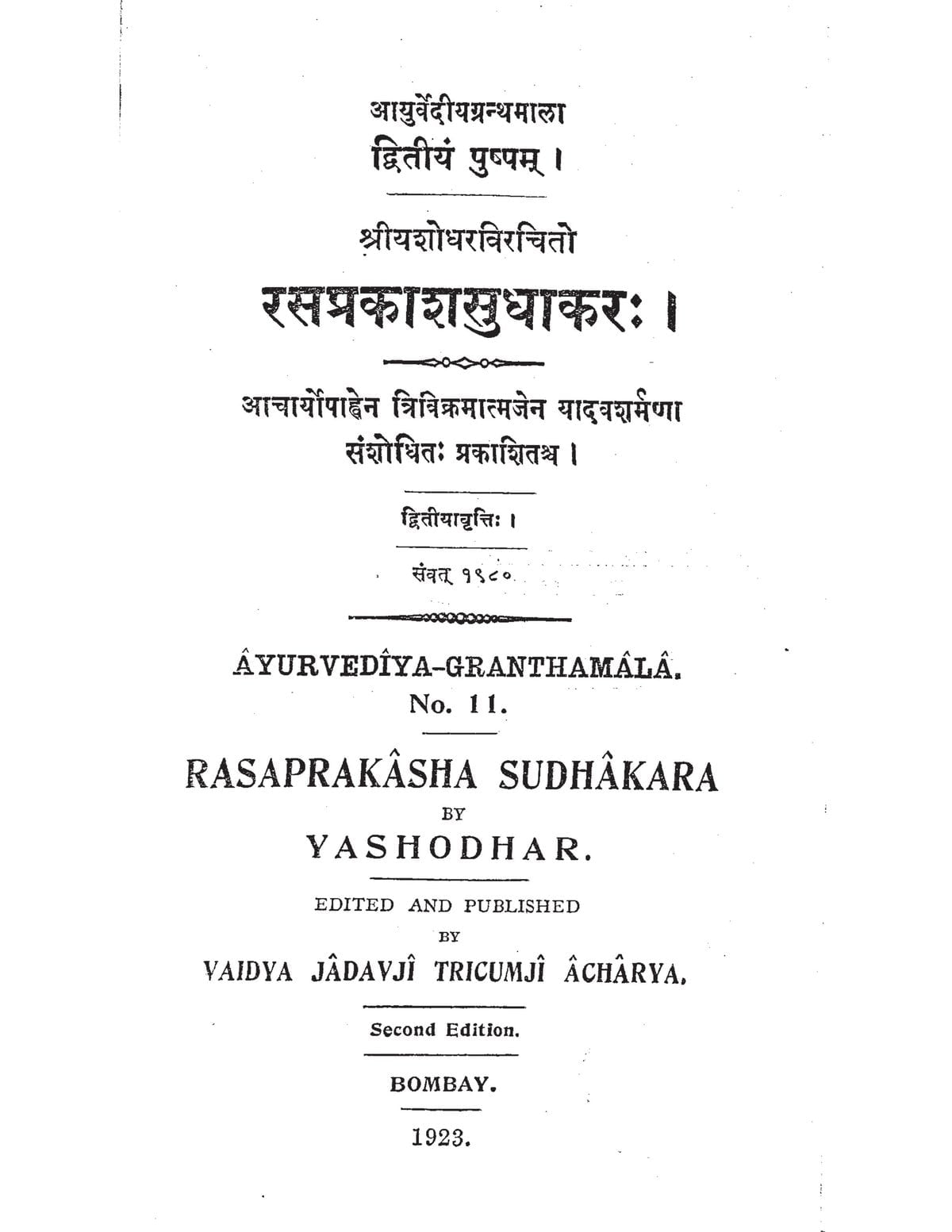
Rasaprakāśasudhākara
Yaśodhara
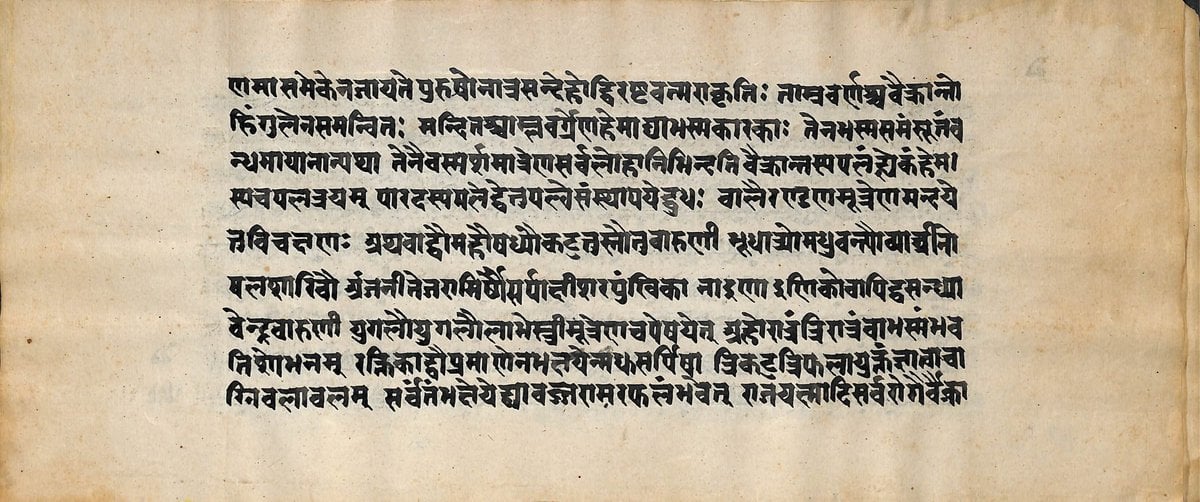
Rasaratnākara (manuscript)
Nāgārjuna
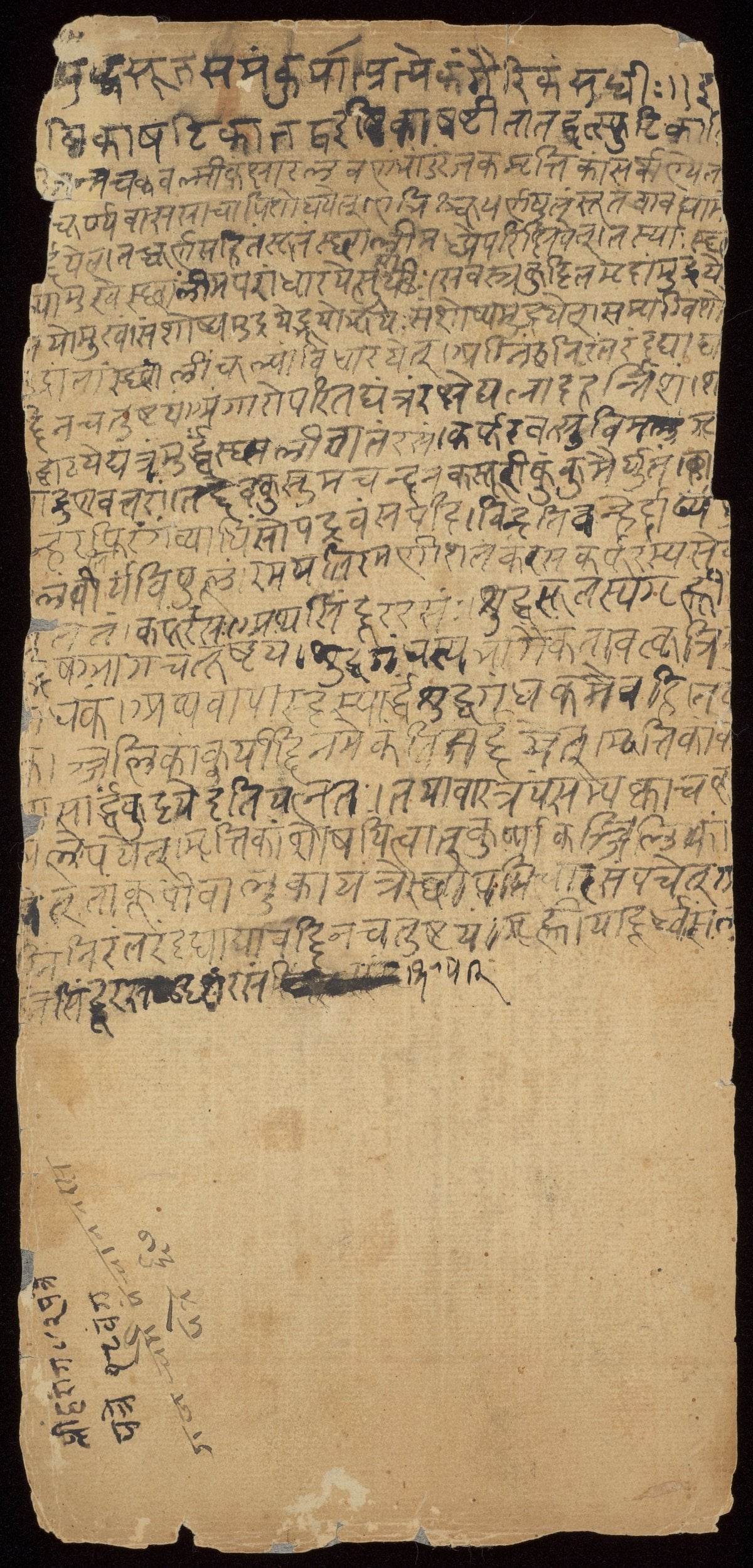
The Jewel Mine of Mercury
Nityānātha Siddha
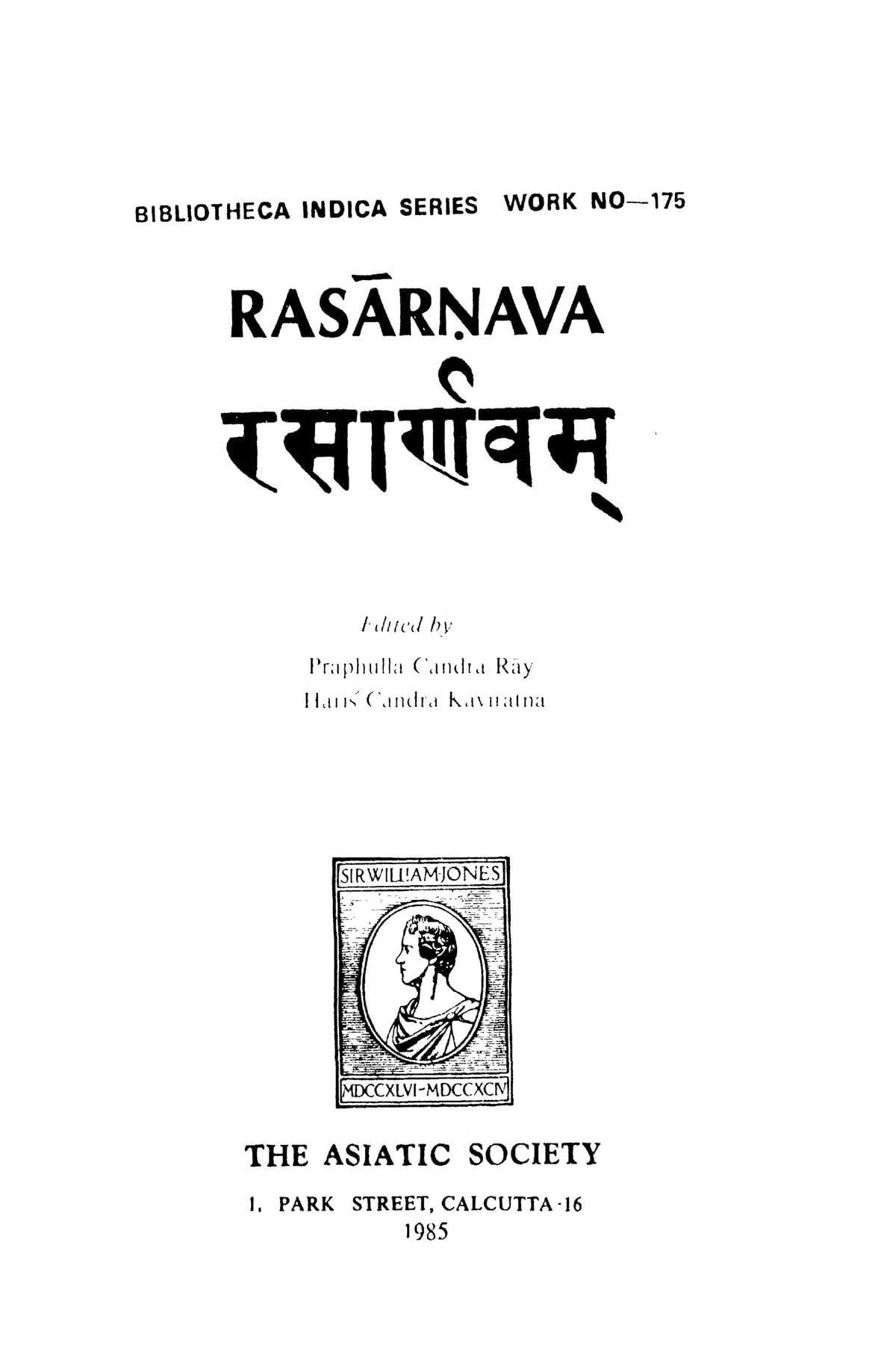
The Ocean of Mercury
Haris Candra Kaviratna (ed.)
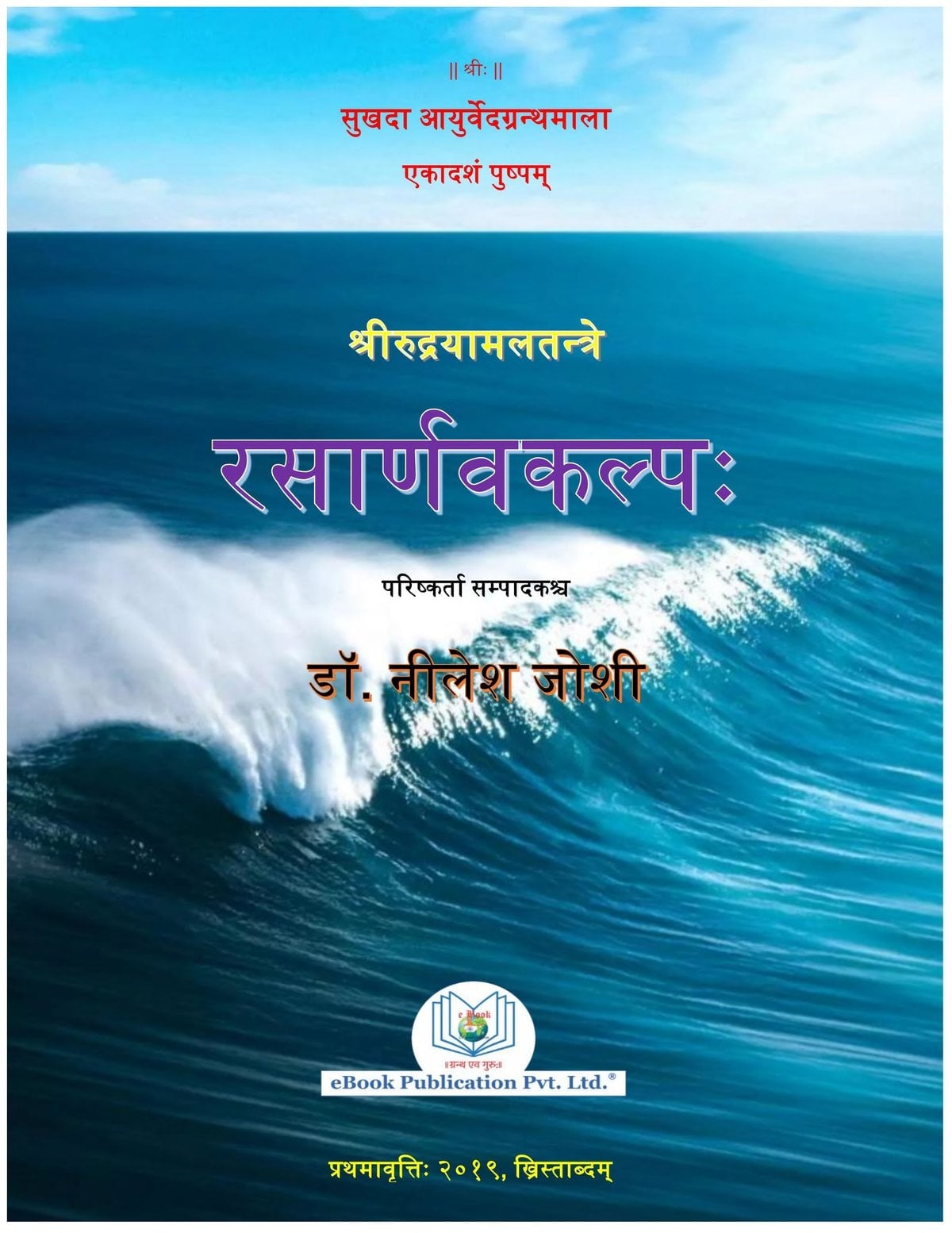
Rasārṇavakalpa
Nilesh Joshi (ed.)
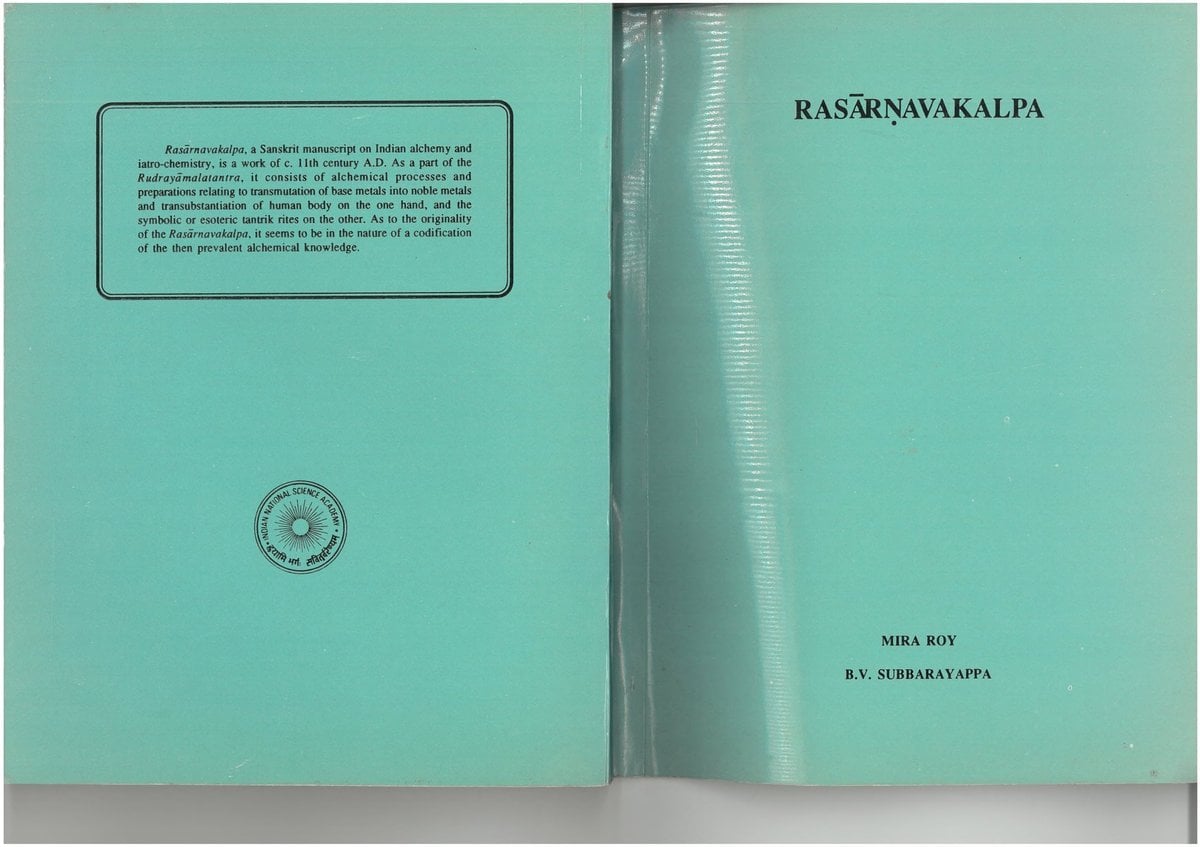
Rasārṇavakalpa (English critical edition)
Mira Roy (ed.)
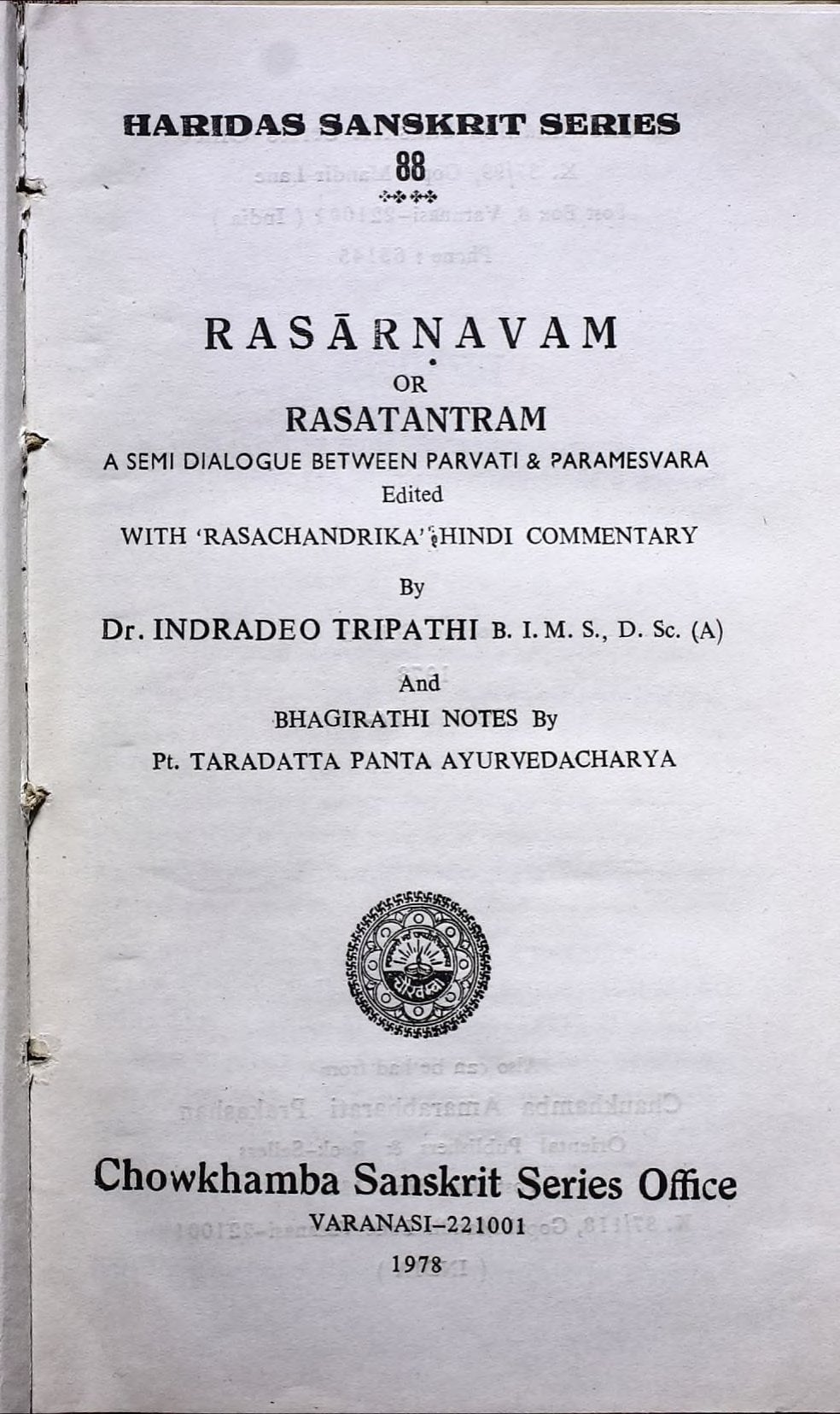
The Ocean of Mercury
Indradeo Tripathi; Taradatta Panta (eds.)