Illustrations
Browse all13 images extracted from 8 books

This intricate publisher's device for J.W. Bouton features a personification of learning alongside symbols of stability and growth. The seated figure with a book and the anchor entwined with a sea monster represent the firm's commitment to scholarly pursuits and enduring quality, marking the establishment of the business in 1857.

This illustration depicts Ardhanarishvara, the composite androgynous form of the Hindu deities Shiva and Parvati, representing the essential unity of masculine and feminine principles. The figure is framed within a hexagram and a triangle, geometric symbols that in this context signify the intersection of the divine and the material worlds. This image reflects the 19th-century fascination with comparative mythology and the synthesis of Eastern and Western mystical traditions.

This is the official seal of the Theosophical Society, founded in 1875. It incorporates several ancient symbols: the hexagram (interlaced triangles), the Egyptian ankh, the swastika, and the ouroboros (a serpent biting its tail), collectively representing the unity of all religions and the cyclical nature of existence.

This emblem is the official seal of the Theosophical Society, founded in 1875. It incorporates symbols from various traditions—the Egyptian ankh, the Hindu swastika, the Jewish hexagram, and the Gnostic ouroboros—to represent the synthesis of science, religion, and philosophy.

This intricate emblem features a hexagram containing the four living creatures of the Tetramorph—the man, eagle, lion, and bull—surrounding a central human face. The word 'ADONAI,' a Hebrew name for God, is inscribed across the top, signifying the divine nature of this symbolic synthesis. This illustration from H.P. Blavatsky's 'Isis Unveiled' reflects the 19th-century synthesis of Kabbalistic, Gnostic, and Hermetic traditions.

This intricate engraving presents a complex esoteric emblem centered on a hexagram and an inverted triangle. It features a central human countenance flanked by lion heads, surmounted by a crowned eagle, and inscribed with the divine name 'ADONAI'. This illustration from Helena Blavatsky's 'Isis Unveiled' synthesizes various mystical traditions, including Kabbalah and Gnosticism, to represent divine emanations and spiritual hierarchy.
Founded in a New York apartment in 1875 by Helena Petrovna Blavatsky and Colonel Henry Steel Olcott, the Theosophical Society became one of the most influential spiritual movements of the modern era. Blavatsky's Isis Unveiled and The Secret Doctrine synthesized Hindu, Buddhist, Neoplatonic, and Hermetic thought into a vast cosmological system that claimed to recover the ancient wisdom underlying all religions. The movement drew scientists, artists, and social reformers into its orbit, establishing centers from Adyar to Point Loma and publishing a torrent of books, journals, and pamphlets that reshaped Western engagement with Eastern philosophy.
The Society's impact extended far beyond religion. Annie Besant and C. W. Leadbeater's illustrated clairvoyant investigations — mapping thought-forms as colored geometries, charting the human aura and the chakras — directly inspired the birth of abstract art. Kandinsky read Thought-Forms and painted the first non-representational canvases. Bragdon projected fourth-dimensional Theosophical geometry into architectural ornament. The movement's California chapter, centered at Point Loma under Katherine Tingley, created a utopian community that merged education, theater, and printing. This collection gathers the primary sources of that movement: the foundational texts, the illustrated esoteric investigations, and the publications of the California Theosophists who carried the tradition into the twentieth century.
Essential Reading
The foundational texts of this tradition

Isis Unveiled: A Master-Key to the Mysteries of Ancient and Modern Science and Theology
Helena Blavatsky, 1877
Blavatsky's first major work (1877), a sprawling attack on scientific materialism and religious dogma that drew on Hermetic, Kabbalistic, and Hindu sources to argue for a universal ancient wisdom tradition.
The Key to Theosophy
Helena Blavatsky, 1889
Written in dialogue form, the Key (1889) is Blavatsky's most accessible exposition of Theosophical principles — karma, reincarnation, the sevenfold constitution of man, and the Society's three objects.
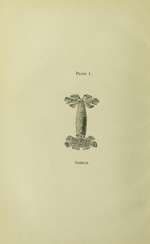
Occult Chemistry: Clairvoyant Observations on the Chemical Elements
Annie Besant and C.W. Leadbeater, 1919
Besant and Leadbeater claimed to observe chemical elements clairvoyantly, producing detailed diagrams of atomic structure that eerily prefigured some aspects of particle physics. A landmark of illustrated esoteric science.
Important Works
Significant texts that deepen understanding
Theosophical Glossary
H.P. Blavatsky, 1906
Blavatsky's posthumous glossary (1892) defines hundreds of terms from Sanskrit, Tibetan, Kabbalistic, and Hermetic traditions — an essential reference for reading her major works.
Death--and After?
Annie Besant, 1893
Besant's compact treatise on the Theosophical understanding of death, the afterlife, and the journey through kama-loka and devachan.
The chakras. A monograph
Leadbeater, Charles Webster, 1927
Leadbeater's illustrated monograph (1927) on the chakra system, with color plates that became the standard Western visualization of the energy centers.
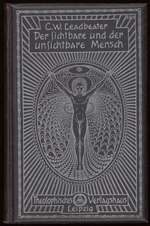
Der sichtbare und der unsichtbare Mensch. Darstellung verschiedener Menschentypen, wie der geschulte Hellseher sie wahrnimmt
Leadbeater, Charles Webster, 1908
Leadbeater's visual guide to the human aura and subtle bodies, with color plates showing different types of people as seen by trained clairvoyance. German edition.

An Introduction to Yoga
Annie Besant, 1908
Besant's lectures (1908) on the practice and philosophy of yoga from a Theosophical perspective, bridging Hindu tradition with Western esoteric psychology.
From the caves and jungles of Hindostan
Blavatsky, H.P., 1892
Blavatsky's travel writing from India — vivid accounts of yogis, fakirs, and temple mysteries, serialized in Russian newspapers before her Theosophical fame.
Also Notable

Secret Doctrine Vol. III - Esoterica
H.P. Blavatsky, 1897
The stanzas of Dzyan (From The Secret Doctrine)
Unknown, 1892
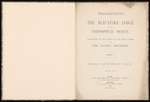
Transactions of the Blavatsky Lodge of the Theosophical Society. Discussions on the stanzas of the first volume of The secret doctrine
Unknown, 1890
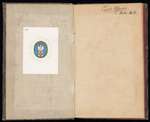
Die uralte Weisheit. Eine kurzgefasste Darstellung der Lehren der Theosophie
Besant, Annie, 1780
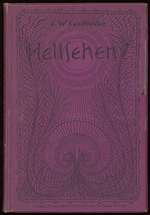
Hellsehen (Clairvoyance)
Leadbeater, Charles Webster, 1910
All Books
Browse Full Catalog→26 books in this collection
The Secret Doctrine: Synthesis of Science, Religion and Philosophy Vol. 2
Helena Blavatsky

An Introduction to Yoga
Annie Besant
Secret Doctrine Vol. III - Esoterica
H.P. Blavatsky
Death--and After?
Annie Besant
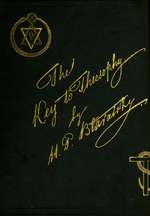
Key to Theosophy
H.P. Blavatsky
The Key to Theosophy
Helena Blavatsky
From the caves and jungles of Hindostan
Blavatsky, H.P.
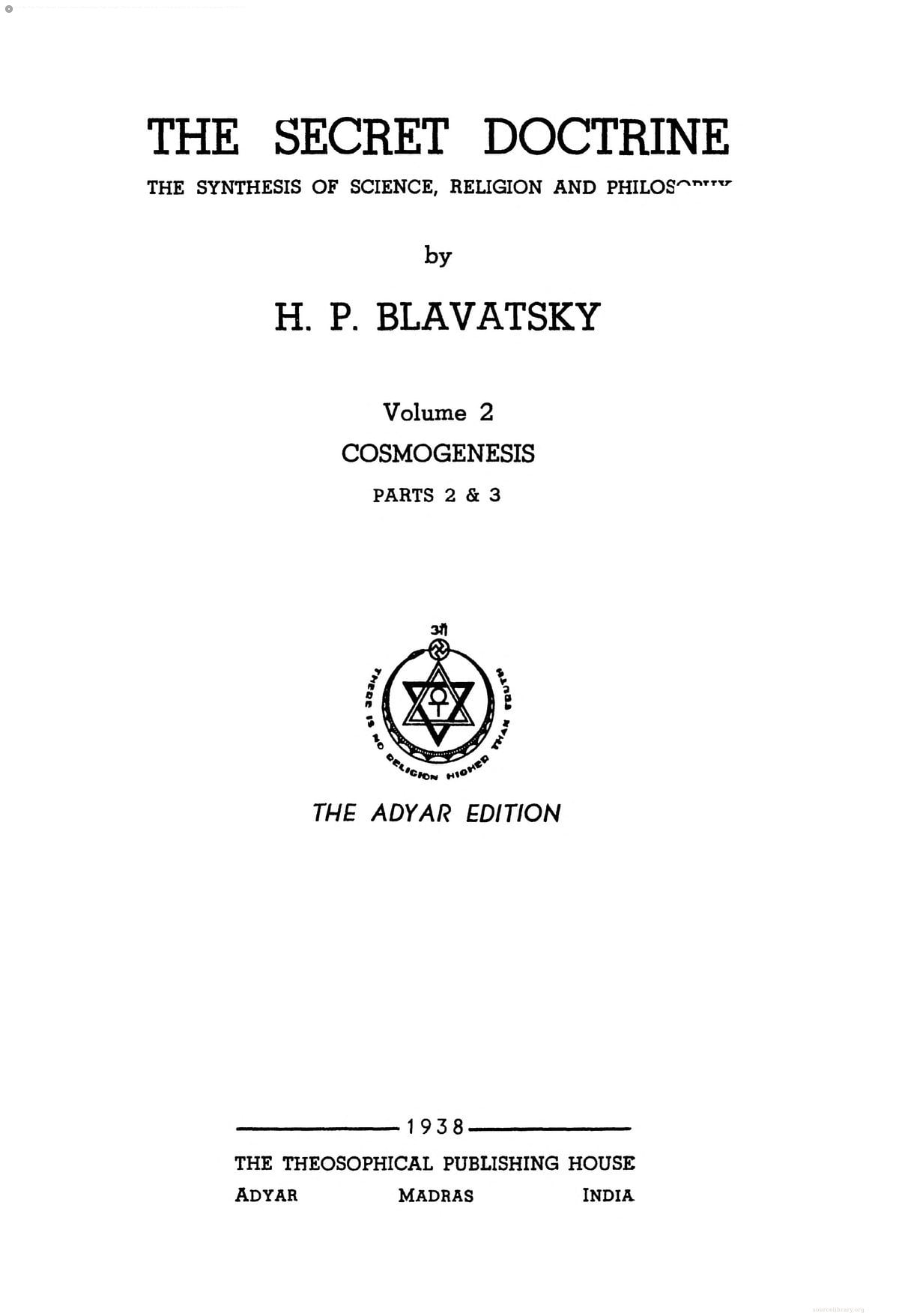
The Secret Doctrine Vol. II
Helena Petrovna Blavatsky
Theosophical Glossary
H.P. Blavatsky
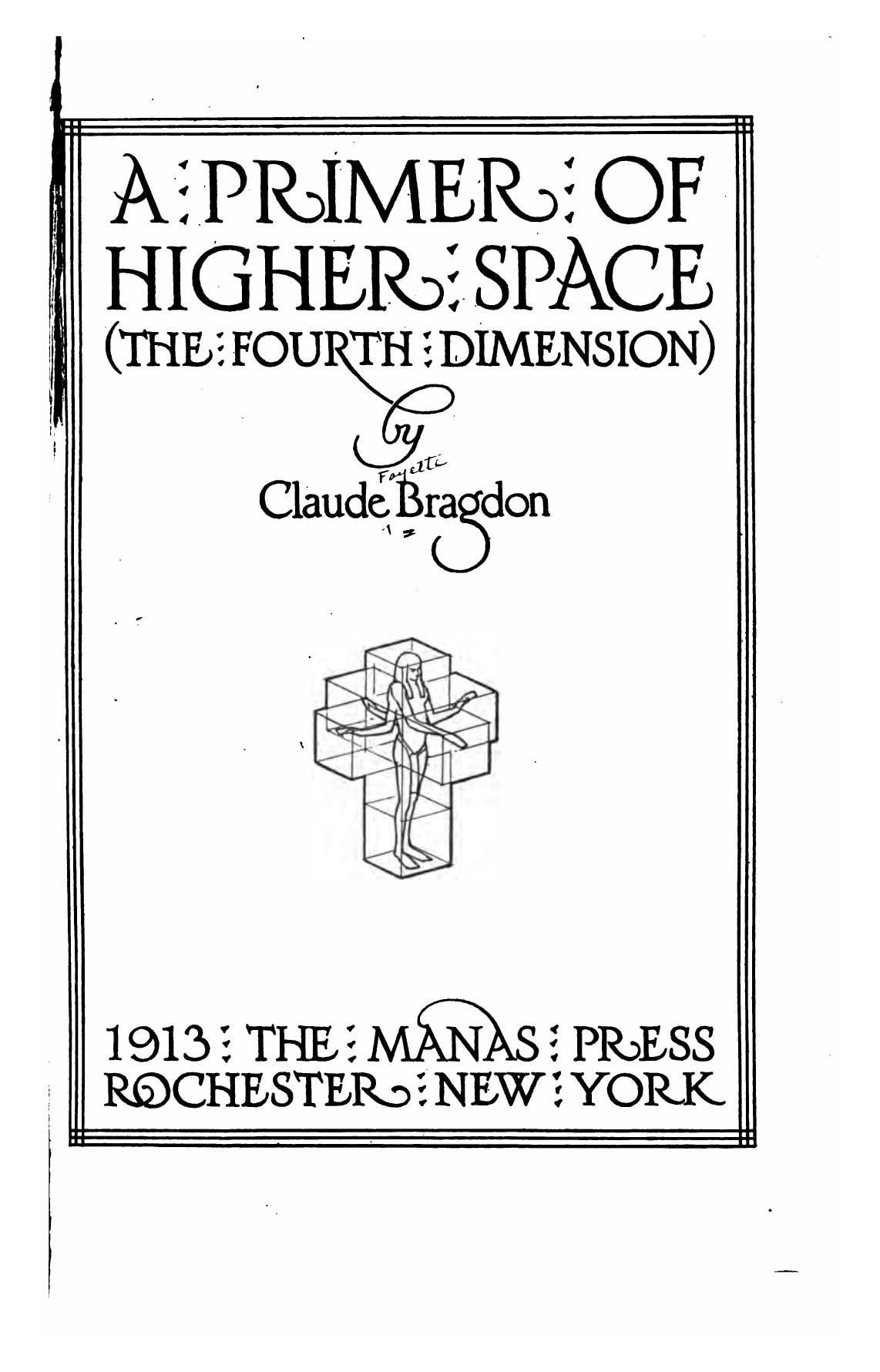
A Primer of Higher Space (The Fourth Dimension)
Claude Fayette Bragdon
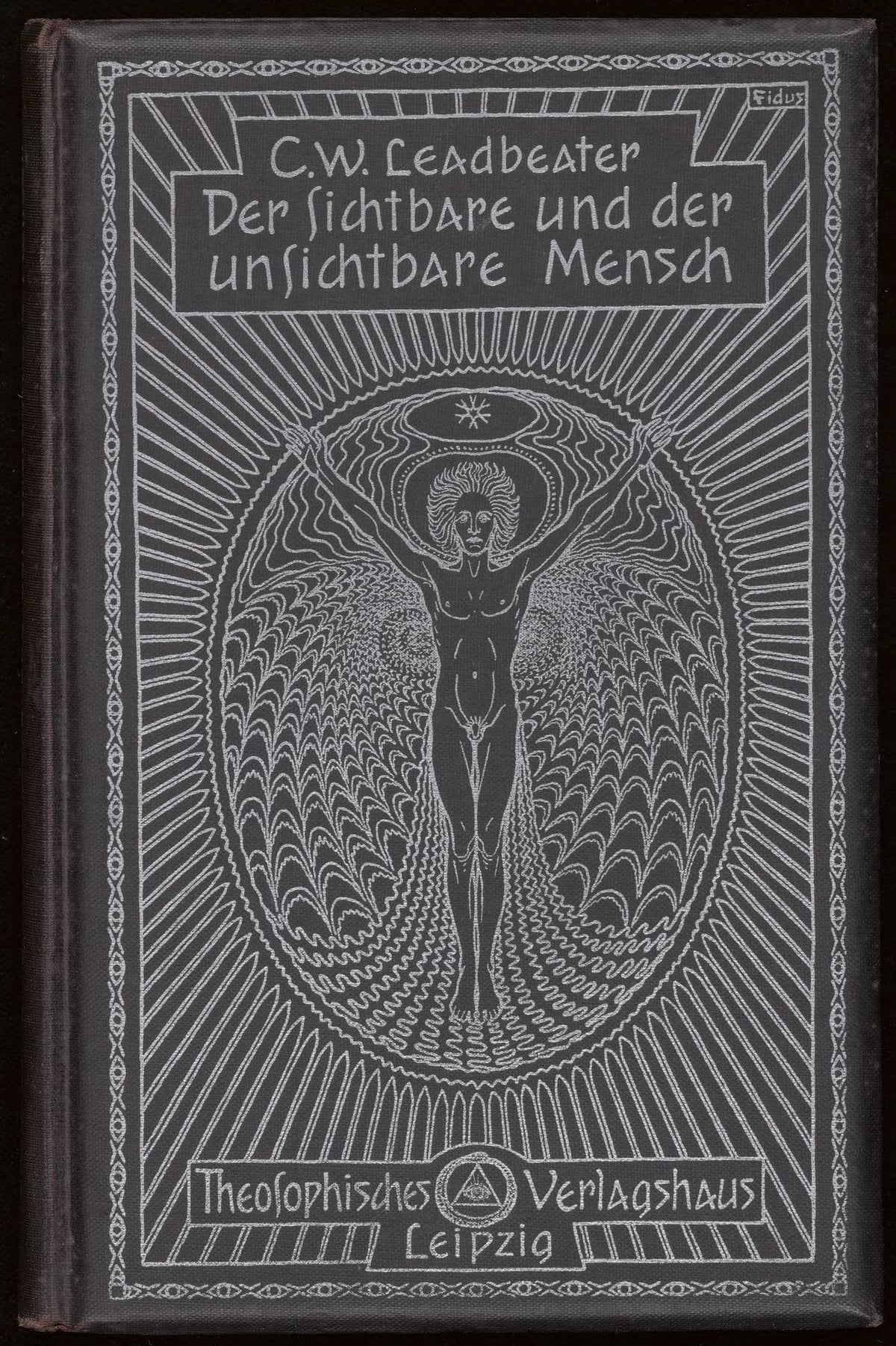
Der sichtbare und der unsichtbare Mensch. Darstellung verschiedener Menschentypen, wie der geschulte Hellseher sie wahrnimmt
Leadbeater, Charles Webster
Die uralte Weisheit. Eine kurzgefasste Darstellung der Lehren der Theosophie
Besant, Annie
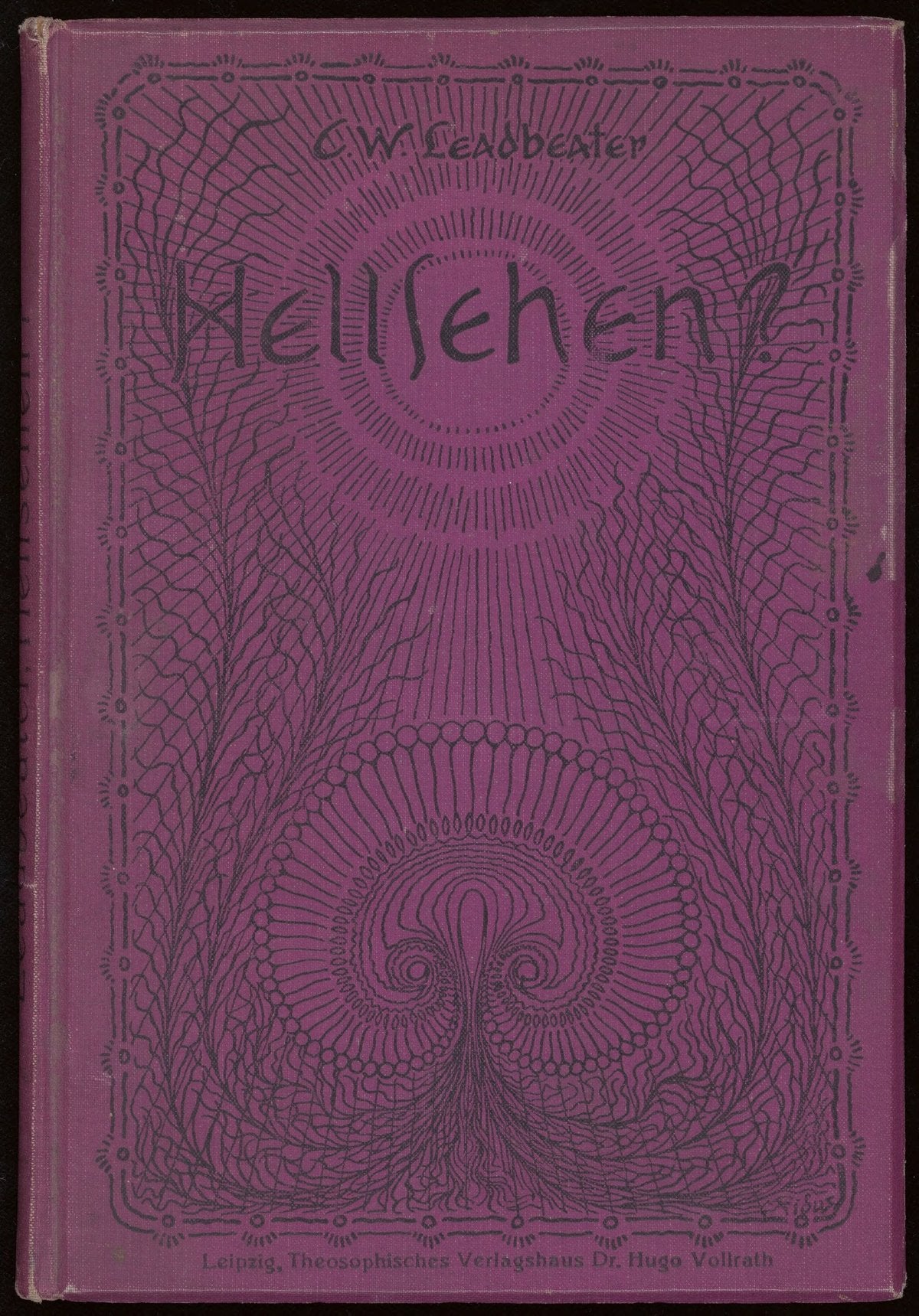
Hellsehen (Clairvoyance)
Leadbeater, Charles Webster
Invisible Helpers
Charles Webster Leadbeater