Gil Renberg on Incubation
The ancient Hellenic practice of incubation – ritualised dreaming in a sacred precinct to obtain hidden knowledge or healing through a face-to-face dream-encounter with the presiding god – is a puzzle.
Primary Sources

Euripides, Sophocles, and Aristophanes: Twenty Plays
This volume serves as a time capsule, preserving the high drama of Greek tragedy alongside the biting wit of Attic comedy. It captures the transition from royal grandeur to the indignity of exile, challenging the reader to reconsider the nature of justice and divine will. Beyond the plays, the text

Vat.gr.1892
Vat.gr.1892 serves as a collision between the rigorous discipline of classical logic and the volatile nature of ecclesiastical polemics. The author demands that we treat faith as a subject of scientific inquiry, demanding strict adherence to the causes and definitions that govern existence. You will

Aristophanes . Aristophanes
These plays are not dusty relics. They are blunt instruments of social critique that target the hypocrisy of politicians, the moral rot of new educational fads, and the desperate greed of the common citizen. Aristophanes uses humor to puncture the self-importance of the ruling class and the intellec

Plutus and Clouds with Commentaries
These plays are not just ancient relics. They are aggressive, funny, and dangerous critiques of how societies prioritize money over morality. Aristophanes argues that when wealth is blindly distributed, the result is social rot and the abandonment of tradition. He challenges the reader to consider w
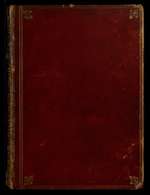
Aristophanes, Plutus, Nubes and Ranae (Cambridge, Trinity College, MS R.1.42)
Aristophanes turns the theater into a courtroom where money, gods, and philosophers stand trial. He asks if human virtue can survive in a world where the god of Wealth finally regains his sight. Through the eyes of a scribe in Crete and the pens of later scholars, this codex tracks the survival of c
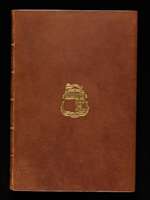
Cologny, Fondation Martin Bodmer, Cod. Bodmer 3
The Persians captures the devastating shift from imperial triumph to total defeat. Aeschylus forces us to look past the battlefield and witness the hollow terror of those who lose everything. He argues that hubris is a self-destructive force that guarantees divine retribution. The work transforms hi

Valerius Maximus: Memorable Deeds and Sayings
This collection serves as a direct manual for moral training, turning the stories of Rome into blueprints for how to live or how to fail. The author argues that history is not just a record of the past but a tool for statecraft and personal refinement. He links the success of the empire to rigid adh

Sibylline Oracles
Sebastian Castellio and his contemporaries treat the Sibylline Oracles as a bridge between classical antiquity and Christian revelation. They argue that the sheer complexity and historical corruption of these manuscripts prove they are not modern forgeries, but genuine relics of ancient divine inspi

Memorable Deeds and Sayings
Written during the reign of Tiberius, 'Memorable Deeds and Sayings' serves as a moral compass for the Roman soul, arguing that the success of an empire rests entirely upon religious precision and individual virtue. Valerius Maximus rejects the idea that history is merely a sequence of events, presen
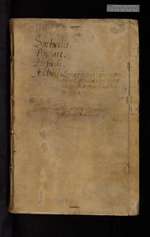
Sophocles, Pindar, Hesiod and Aeschylus (Cambridge, Christ's College, MS Rouse 359)
This manuscript acts as a brutal mirror for the human condition. It tracks the movement from the battlefield to the palace, exposing how power corrupts the soul and how piety often clashes with the demands of state authority. You will see heroes stripped of their dignity and common citizens forced t
Comedies of Aristophanes
This collection presents the surviving plays of Aristophanes, the undisputed master of Old Comedy. He uses raucous humor to dismantle the arrogance of powerful politicians and the hypocrisy of intellectual elites. His work transforms the failures of the Athenian state into a spectacle of logic and s

Sibylline Oracles (Greek)
Charles Alexandre presents a study of the Sibylline Oracles that strips away centuries of confusion to reveal the political and religious motives behind these prophetic verses. He argues that these texts are not mere pagan leftovers but sophisticated tools of Jewish and Christian polemic. The collec

Comedies
Aristophanis Comoediae is a foundational exploration of Old Comedy, asserting that the stage is a vital site for political truth and public education. Through masterpieces like 'The Acharnians' and 'The Knights,' Aristophanes delivers a searing critique of the Peloponnesian War’s origins and the ris

Aeschyli Tragoediae (Alt. Critical Edition)
The editor of this volume treats the manuscripts of Aeschylus not as sacred relics, but as broken artifacts in need of precise, mechanical repair. By prioritizing metrical structure and dramatic logic over the errors of later scribes, the author challenges the complacency of classical scholarship. Y
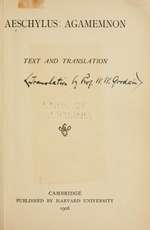
Agamemnon
Aeschylus crafts a terrifying portrait of justice, where the path to wisdom requires the agony of suffering. He argues that hubris inevitably invites divine retribution, stripping away the illusion that wealth or power can shield a ruler from consequence. The narrative pivots on the sharp tension be

The History of Rome, Vol. 2
This volume chronicles the rise of the Roman Republic through its most desperate hours. Livy documents the clash between Roman resilience and the tactical genius of Hannibal. He argues that Rome survived not just through military force, but through a rigid adherence to state duty and religious tradi

Tragedies of Aeschylus
This volume presents the definitive works of the father of Greek drama, framed by an editorial history that highlights the struggle to preserve these ancient manuscripts. Aeschylus moves beyond simple conflict by staging the violent transition from primitive blood feuds to the structured stability o
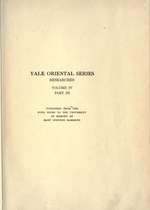
An Old Babylonian Version of the Gilgamesh Epic
This volume moves beyond standard literary analysis to treat the Gilgamesh Epic as a composite work built from disparate myths. By examining newly discovered Old Babylonian tablets, the authors expose the artificial way separate traditions were combined to form a single heroic saga. They argue that

Aristophanes II: Peace, Birds, Frogs (Loeb)
This volume collects three of the most influential comedies from ancient Athens. Aristophanes combines sharp political satire with mythological parody to critique the corrupt leaders and litigious culture of his time. He argues for the restoration of rural prosperity and the civic importance of high

Acharnians, Knights, Clouds, Wasps
Readers will encounter a poet who refuses to take his own state seriously. Through the eyes of farmers, sausage-sellers, and obsessed jurors, Aristophanes exposes the absurdity of human greed and political manipulation. He argues that comedy acts as a necessary shield against the lies of those in po

Oresteia
The Oresteia is not merely a play; it is the genesis of dramatic conflict, marking the moment theatre moved beyond simple ritual into complex human psychology. Aeschylus presents a world governed by a terrifying divine will, where Agamemnon’s military glory is bought with the blood of his own kin, s