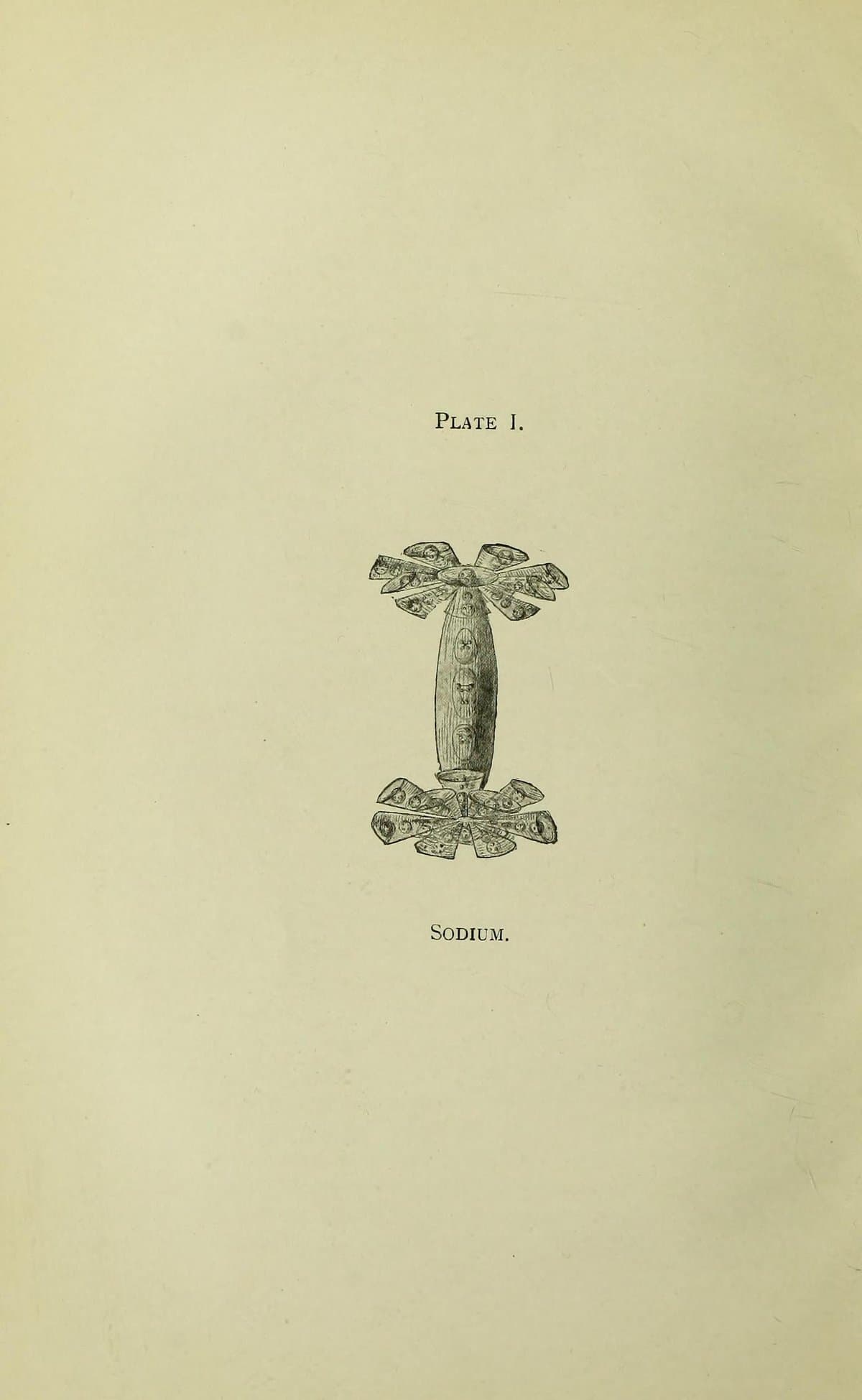
In 1901, Annie Besant and C. W. Leadbeater published Thought-Forms, a slim volume with extraordinary color plates depicting the shapes and colors that thoughts and emotions allegedly produce in the astral world. A musical chord appeared as a luminous cathedral; anger manifested as jagged red lightning; devotion rose as a blue cone. The illustrations were based on Leadbeater's claimed clairvoyant observations, but their real significance lay elsewhere: they proposed that invisible realities could be rendered as pure color and abstract geometry.
Wassily Kandinsky encountered Thought-Forms around 1908 and recognized in it a justification for non-representational painting. If thoughts had colors and forms independent of physical objects, then art need not depict the visible world. His Concerning the Spiritual in Art (1912) — the theoretical manifesto of abstract painting — explicitly draws on Theosophical ideas about vibration, color, and inner necessity. Claude Bragdon, an American architect and Theosophist, took the principle in another direction: his Projective Ornament (1915) derived decorative patterns from projections of four-dimensional geometric solids, turning Theosophical metaphysics into architectural ornament. Jay Hambidge's Dynamic Symmetry extended the geometric thread into the analysis of proportion in Greek art and nature. Together, these works trace one of the most remarkable and least understood connections in modern cultural history: the direct line from esoteric clairvoyance to the foundations of abstract art and design.
Essential Reading
The foundational texts of this tradition
Important Works
Significant texts that deepen understanding
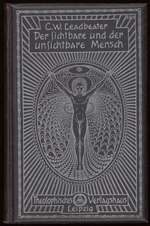
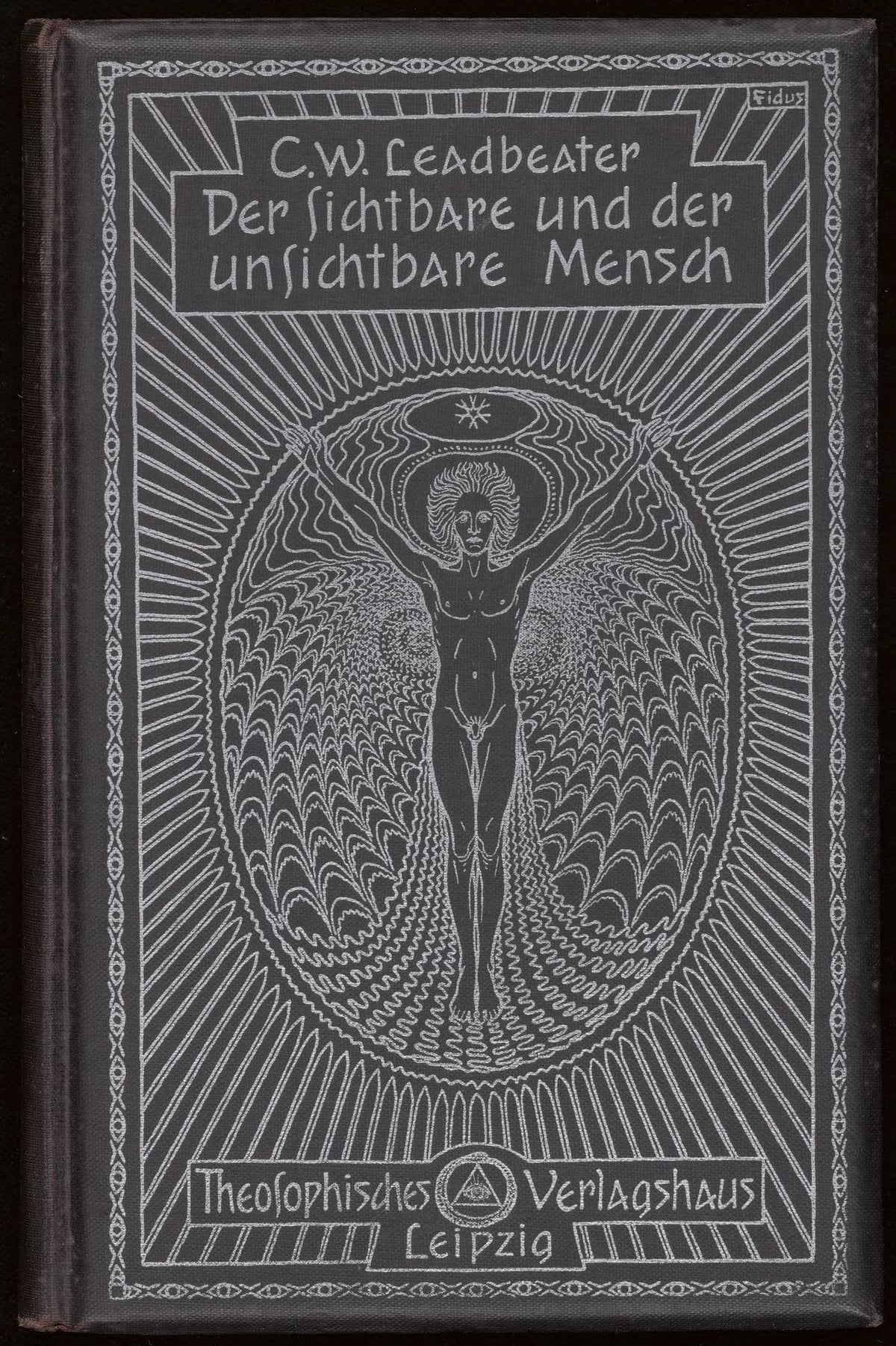
Der sichtbare und der unsichtbare Mensch. Darstellung verschiedener Menschentypen, wie der geschulte Hellseher sie wahrnimmt
Leadbeater, Charles Webster, 1908
The human aura and subtle bodies rendered in color — Leadbeater's visual taxonomy of human types. German edition.
Projective Ornament
Claude Fayette Bragdon, 1915
Ornamental patterns derived from four-dimensional geometry — Bragdon's remarkable fusion of Theosophical metaphysics and architectural design.
The Beautiful Necessity: Seven Essays on Theosophy and Architecture
Claude Fayette Bragdon, 1910
Bragdon's seven essays on the relationship between Theosophy and architecture — sacred geometry made practical.
All Books
Browse Full Catalog→6 books in this collection
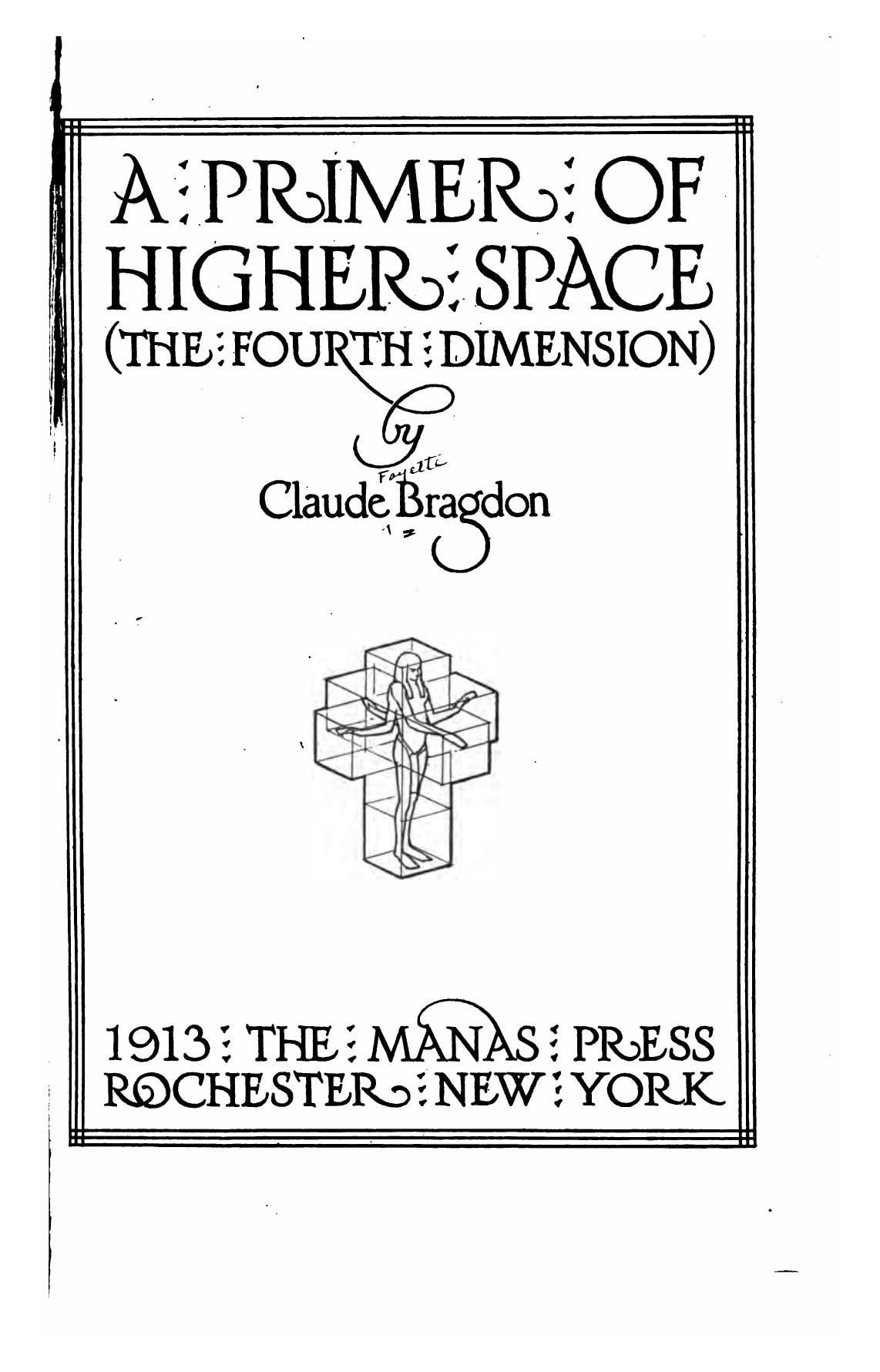
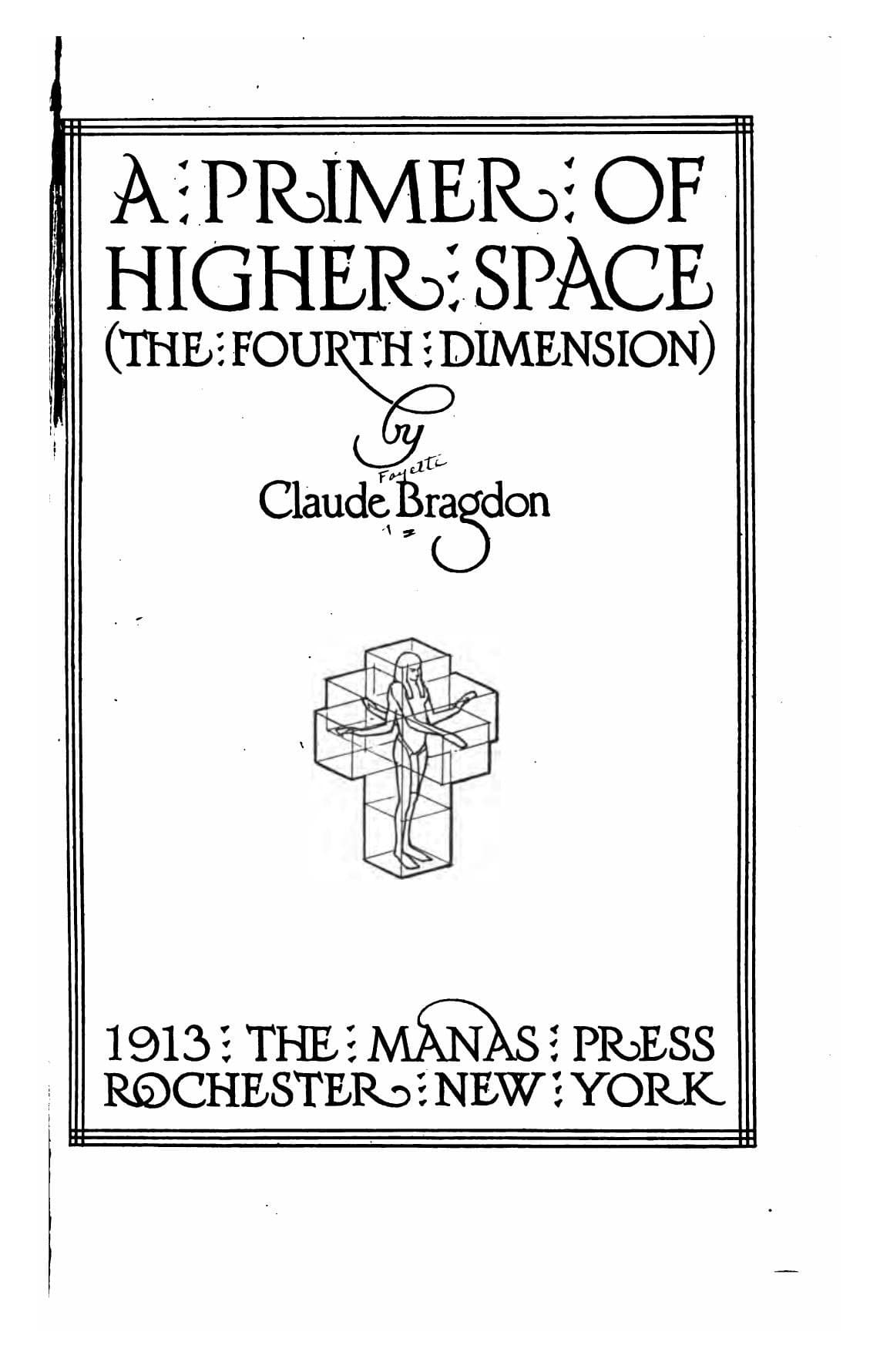
A Primer of Higher Space (The Fourth Dimension)
Claude Fayette Bragdon
Der sichtbare und der unsichtbare Mensch. Darstellung verschiedener Menschentypen, wie der geschulte Hellseher sie wahrnimmt
Leadbeater, Charles Webster
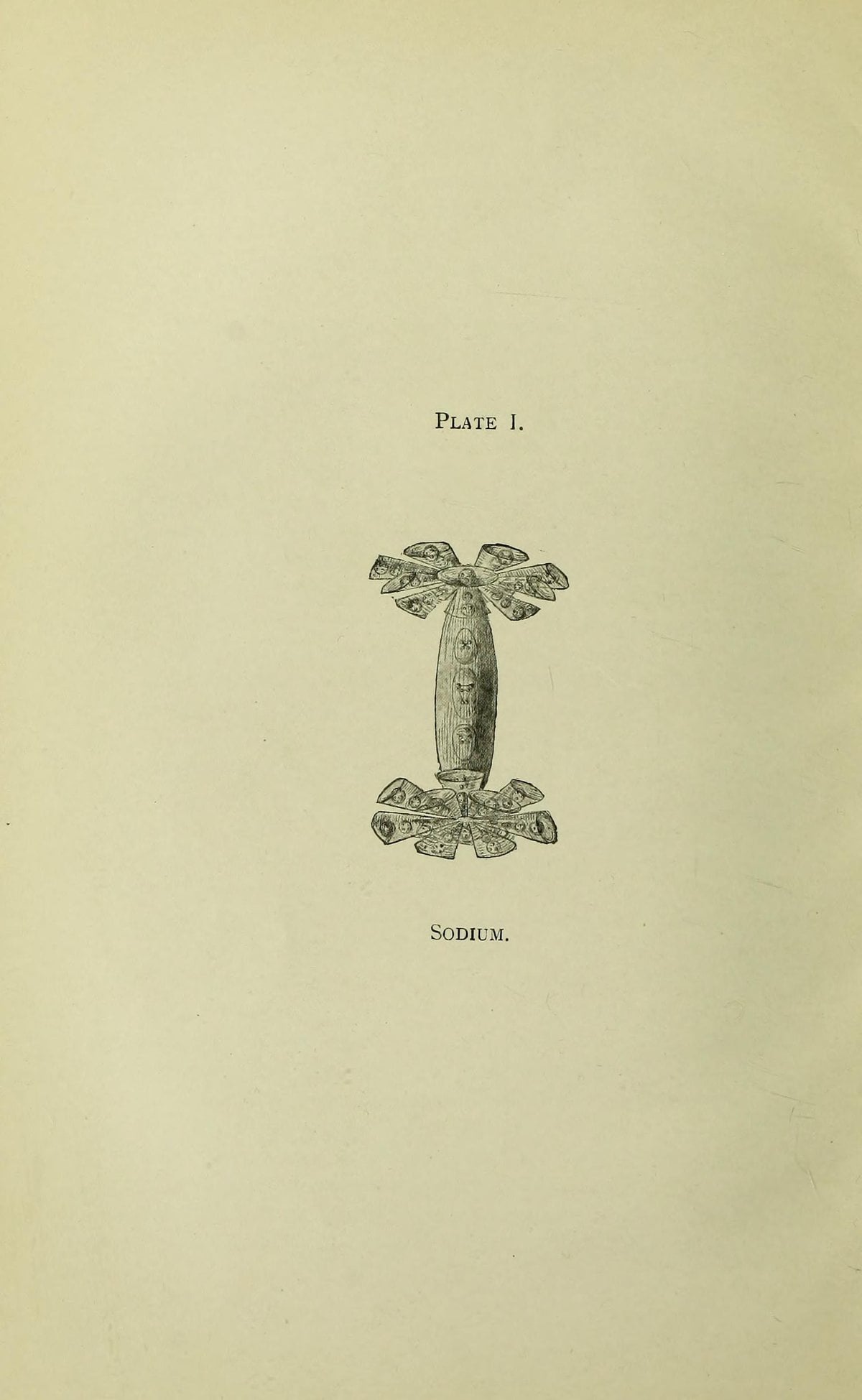
Occult Chemistry: Clairvoyant Observations on the Chemical Elements
Annie Besant and C.W. Leadbeater
Projective Ornament
Claude Fayette Bragdon
The Beautiful Necessity: Seven Essays on Theosophy and Architecture
Claude Fayette Bragdon
The chakras. A monograph
Leadbeater, Charles Webster