


Classical Philosophy
Ancient Greek & Roman Thought


Illustrations
Browse all492 images extracted
This elaborate frontispiece for Michael Maier's 'Arcana arcanissima' (1614) presents a synthesis of Egyptian and Greek mythology, reflecting the author's alchemical and hermetic interests. The central text is framed by figures such as Osiris, Isis, and the monstrous Typhon, alongside Hercules and Dionysus, while Egyptian symbols like obelisks and the Apis bull anchor the composition. This work exemplifies the early modern fascination with 'hieroglyphics' as a source of ancient, hidden wisdom.
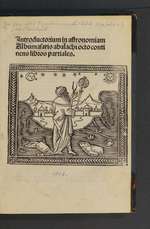
This intricate woodcut presents an allegorical scene where Urania, the muse of astronomy, guides a scholar amidst various scientific instruments. Above them, a detailed armillary sphere represents the celestial order, illustrating the Renaissance pursuit of understanding the universe through mathematics and observation.
This historiated initial 'P' depicts a complex allegorical scene involving human figures and a dragon. Such decorative elements were common in early printed books to mark the beginning of new chapters, serving both as a navigational aid and a visual commentary on the text's themes.
This intricate woodcut from a 1496 edition of Albertus Magnus's philosophical works presents a dense allegorical landscape. At its center, a figure holds a globe, symbolizing the created world, while surrounding tools like scales and compasses represent the measurement and order of the universe. The Latin inscriptions emphasize divine creation and the knowability of things through their limits and fruits, reflecting the scholastic synthesis of faith and reason.
This intricate woodcut depicts a Macrobian world map, a standard model of the Earth's geography used from late antiquity through the Renaissance. The map illustrates the five climatic zones, showing the known world of Europe, Asia, and Africa separated from the mysterious southern continent of the Antipodes by a vast equatorial ocean. Encircling the globe are twelve personified winds, a classical motif representing the forces that govern the Earth's atmosphere and climate.
This is the celebrated printer's mark of Aldus Manutius, the renowned Venetian printer and humanist. The image of a dolphin entwined around an anchor symbolizes the motto 'Festina Lente' (make haste slowly), balancing the speed of the dolphin with the stability of the anchor.

This intricate woodcut, titled 'Typus in Rhetoricam,' personifies the art of Rhetoric as a central female figure enthroned amidst the great thinkers of antiquity and law. She is flanked by figures such as Aristotle and Justinian, while Cicero (Tullius) appears below, illustrating the foundational role of persuasive speech in philosophy, governance, and justice during the Renaissance.

This intricate engraving depicts Johannes Kepler's revolutionary cosmological model from his 1596 work, Mysterium Cosmographicum. Kepler proposed that the distances between the six known planets could be explained by nesting the five Platonic solids within a series of spheres. This image represents a pivotal moment in the history of astronomy, blending classical geometry with early modern scientific inquiry.

This woodcut portrait depicts the renowned philosopher Giovanni Pico della Mirandola (1463–1494). Appearing in the 1519 edition of his collected works, the image serves to memorialize the 'Phoenix of Wits' whose syncretic philosophy sought to reconcile diverse intellectual traditions.
Visual Art
Browse all art →60 works of visual art in this collection
 mythological
Hercules
Albrecht Dürer
Hercules is depicted attacking the Molionides (or Cteatus and Eurytus), the Siamese-twin sons of Molione, with a jawbone while they are clad in armor.
 mythological
Hercules at the Crossroad
Albrecht Dürer
A mythological scene depicting the struggle between Hercules and a satyr over a nymph, often titled 'Hercules' or 'The Effects of Jealousy'.
 mythological
The Satyr Family
Albrecht Dürer
A male satyr stands playing a shawm while a female satyr reclines on a fur-covered rock, nursing an infant.
 sculpture
Terracotta amphora (jar)
Andokides
This terracotta amphora depicts the hero Herakles struggling with the Nemean lion, flanked by the goddess Athena and the messenger god Hermes.
 sculpture
Bronze bust of Minerva
Anonymous
A bronze bust of the Roman goddess Minerva, identifiable by her characteristic Corinthian-style helmet.
 sculpture
Bronze finial with the head of Medusa
Anonymous
A cast bronze sculptural finial featuring the relief head of the Gorgon Medusa, recognizable by the snakes intertwined in her hair.
 sculpture
Bronze statuette of Hermes
Anonymous
A bronze statuette of the god Hermes standing in a contrapposto pose, wearing a chlamys (cloak) and winged sandals.
 sculpture
Centaur
Anonymous
A bronze statuette depicting a centaur, the mythological hybrid creature with the upper body of a man and the lower body of a horse.
 object
Chalcedony winged head of Mercury (Hermes)
Anonymous
A miniature sculpted head of the god Mercury (Hermes) carved from chalcedony.
 object
Glass appliqué with Medusa
Anonymous
A circular glass appliqué relief depicts the frontal face of the mythological Gorgon Medusa, recognizable by her stylized hair and protruding tongue.
 object
Glass cameo: Apollo
Anonymous
This opaque white glass cameo depicts the god Apollo standing in profile.
 sculpture
Limestone votive relief fragment of a seated deity with an inscribed dedication to Apollo
Anonymous
A limestone votive fragment depicting the profile of a seated deity, likely Apollo, accompanied by an incised dedicatory inscription in the Cypriot Syllabary.
 sculpture
Marble column from the Temple of Artemis at Sardis
Anonymous
A monumental Ionic column capital and base from the Temple of Artemis at Sardis.
 sculpture
Marble head of Apollo
Anonymous
A marble sculpture depicting the head of the deity Apollo, characterized by his classicized, youthful features and stylized hairstyle.
 sculpture
Marble head of Athena
Anonymous
A marble head of the Greek goddess Athena, depicted wearing a floral stephane (diadem).
How the recovery of Ancient Wisdom fueled the Renaissance
Before completing his translation of Plato, Marsilio Ficino was ordered by Cosimo de' Medici to prioritize 'The Pimander of Hermes Trismegistus', believing Egyptian wisdom was the essential key to Greek thought.
The Source Library’s Classical Philosophy collection centers on the dramatic recovery of Greek and Roman texts during the 15th century. This 'rebirth' was led by figures like Marsilio Ficino, whose translations of the 'The Complete Works of Marsilio Ficino' and 'The Complete Works of the Divine Plato' provided the philosophical backbone for the European Renaissance. By blending Platonic thought with the newly discovered 'The Pimander of Hermes Trismegistus', these scholars sought a 'prisca theologia'—a single, ancient thread of truth connecting all civilizations.
This intellectual current extended beyond abstract metaphysics into the very structure of the physical world. Giovanni Pico della Mirandola attempted to synthesize these traditions in his 'The 900 Theses', while later thinkers like Galileo Galilei used this foundation to launch the scientific revolution. In 'Starry Messenger', Galileo applied mathematical logic to the heavens, a move that echoed the Pythagorean and Platonic focus on geometry found in 'The Elements' by Euclid.
The collection also highlights the practical applications of classical thought in music, medicine, and architecture. From Heinrich Glareanus and his 'The Twelve-Stringed Lyre', which sought to restore ancient musical modes, to the architectural principles of Vitruvius Pollio in 'Ten Books on Architecture', the wisdom of the ancients was not merely studied; it was used to build the modern world.
Key Figures
Marsilio Ficino
1433–1499
The priest and philosopher who led the Platonic Academy in Florence and first translated the complete works of Plato into Latin.
The Complete Works of Marsilio FicinoGiovanni Pico della Mirandola
1463–1494
A brilliant polymath who proposed 900 theses to harmonize all known philosophies, including Kabbalah and Hermeticism.
The 900 ThesesGalileo Galilei
1564–1642
The astronomer who bridged classical mechanics with modern observation, forever changing our view of the cosmos.
Starry MessengerPlato
c. 427–347 BC
The foundational figure of Western philosophy whose dialogues explore justice, beauty, and the nature of the soul.
The Complete Works of the Divine PlatoThe Florentine Synthesis
1450-1530The rediscovery of Neoplatonism and Hermeticism in 15th-century Italy.
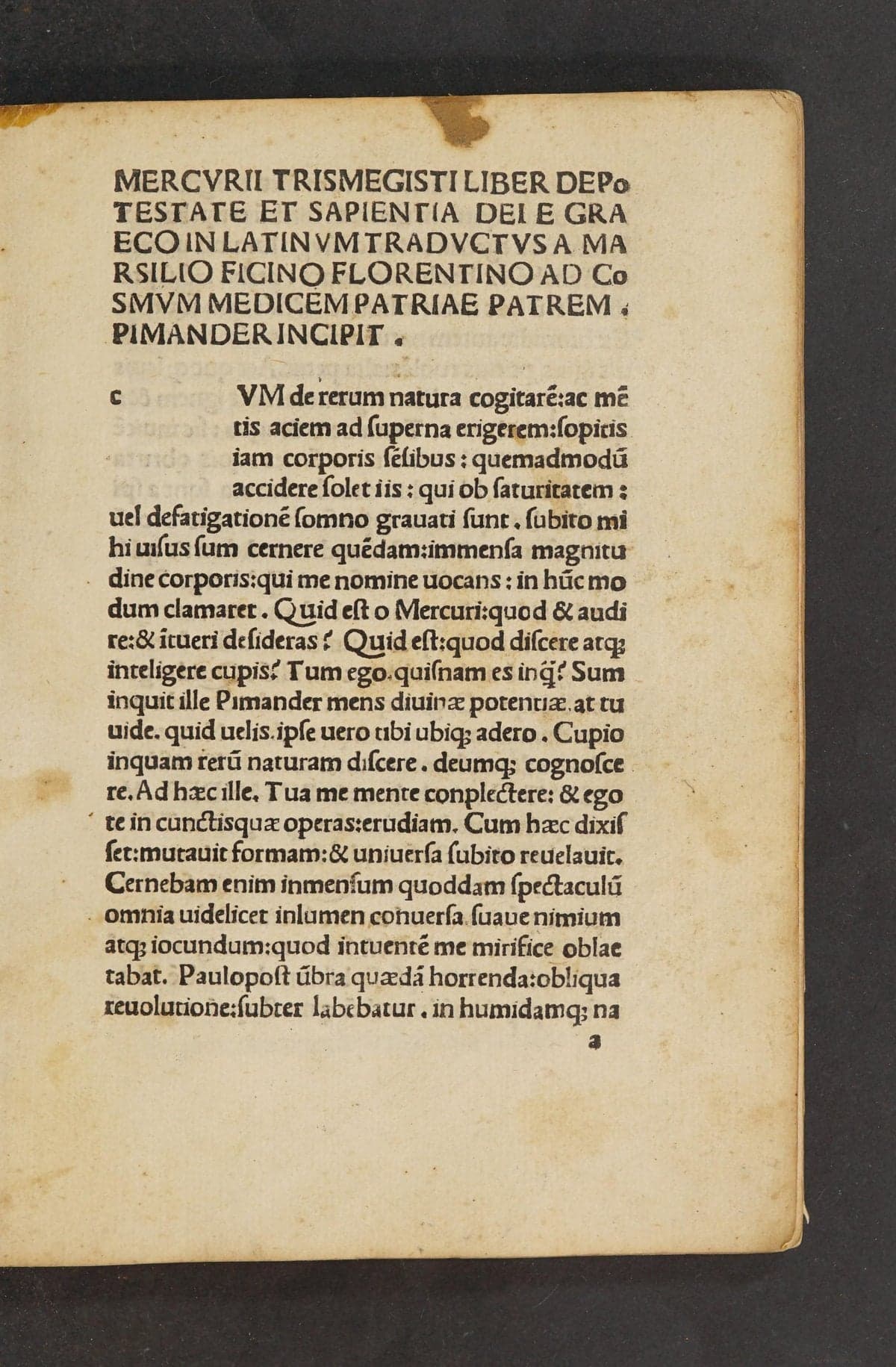
The Pimander of Hermes Trismegistus
Hermes Trismegistus; Ficino, Marsilio (translator), 1481First from Latin
The translation that sparked the Renaissance obsession with 'ancient theology' and Egyptian wisdom.
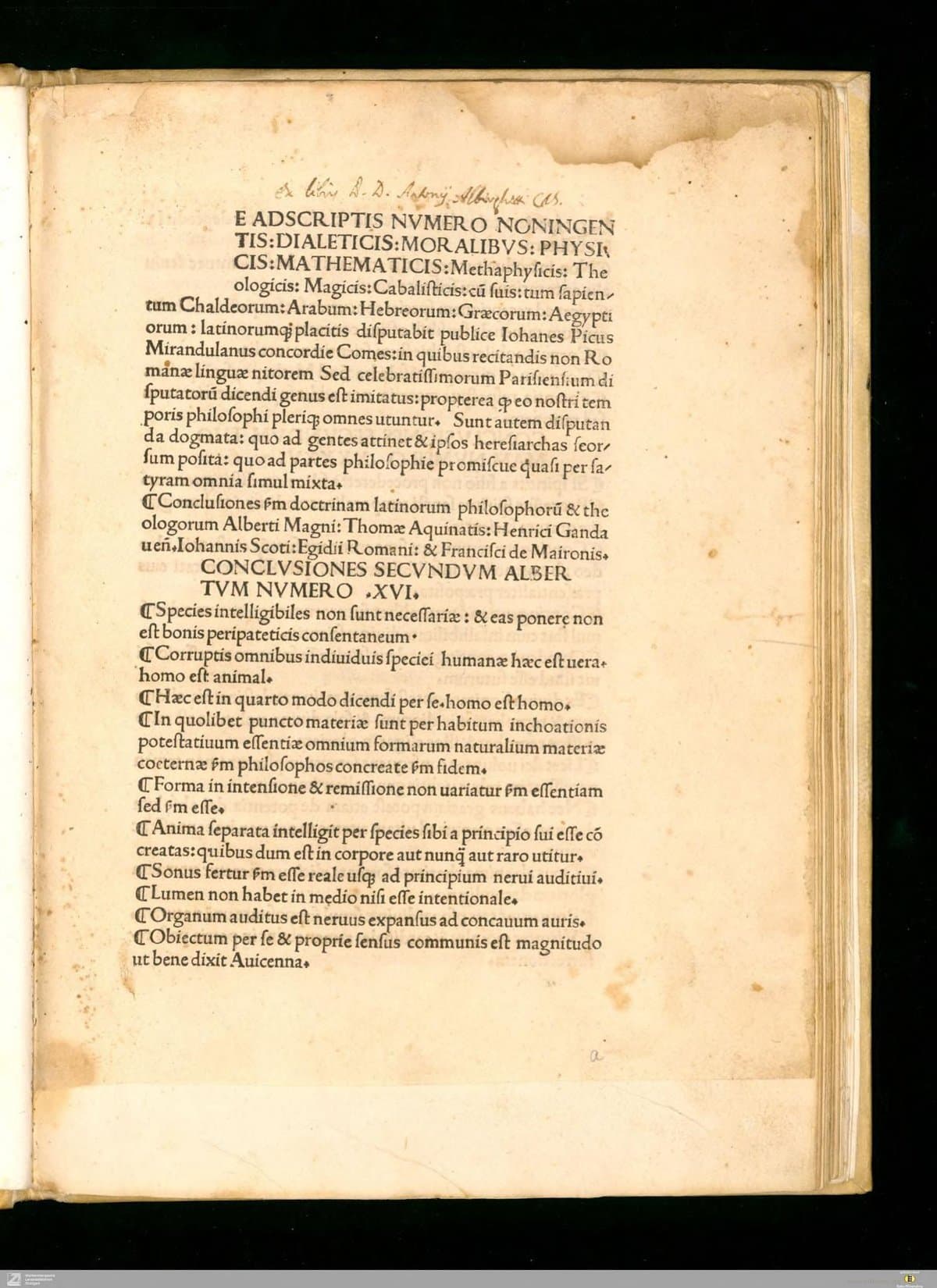
The 900 Theses
Pico della Mirandola, Giovanni (1463-1494), 1486
A bold attempt to unify all human knowledge into a single philosophical system.

Three Books on Life
Ficino, Marsilio (1433-1499), 1489
Ficino's guide on how to align the human body and spirit with the celestial influences of the stars.
Restoring the Liberal Arts
1480-1600How classical principles of music, geometry, and architecture were revived.
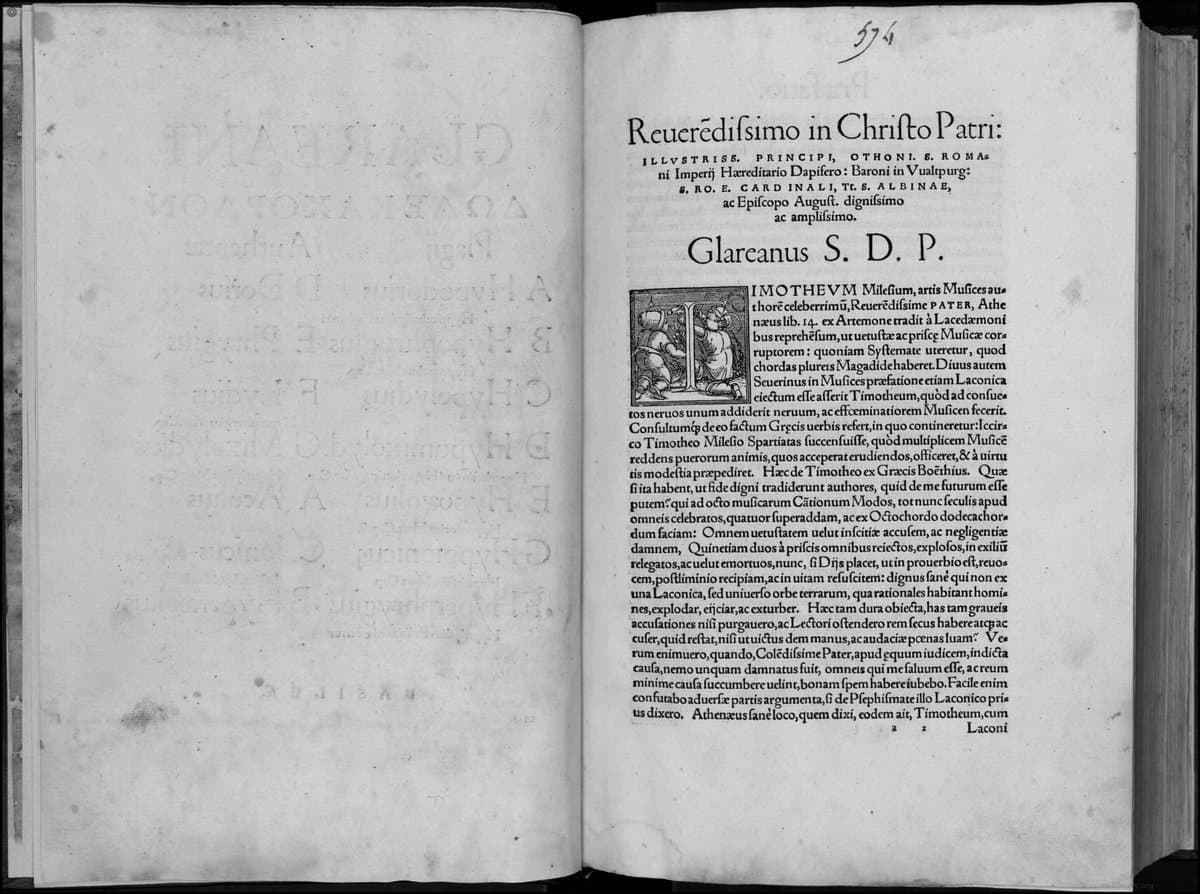
The Twelve-Stringed Lyre
Heinrich Glareanus, 1547
A revolutionary work of music theory that expanded the traditional eight modes to twelve, citing ancient precedents.
The Elements
Euclid, 1482First from Latin
The first printed edition of the most influential textbook in the history of mathematics.
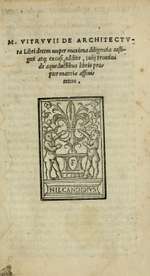
Ten Books on Architecture
Vitruvius Pollio, 1522
The foundational text for Renaissance builders, establishing the rules of proportion and the 'Vitruvian Man'.
The Dawn of the New Science
1540-1680Classical logic applied to the empirical observation of the universe.
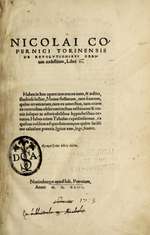
On the Revolutions of the Heavenly Spheres
Copernicus, Nicolaus (1473-1543), 1543
The text that removed the Earth from the center of the universe, dedicated to the Pope to avoid controversy.
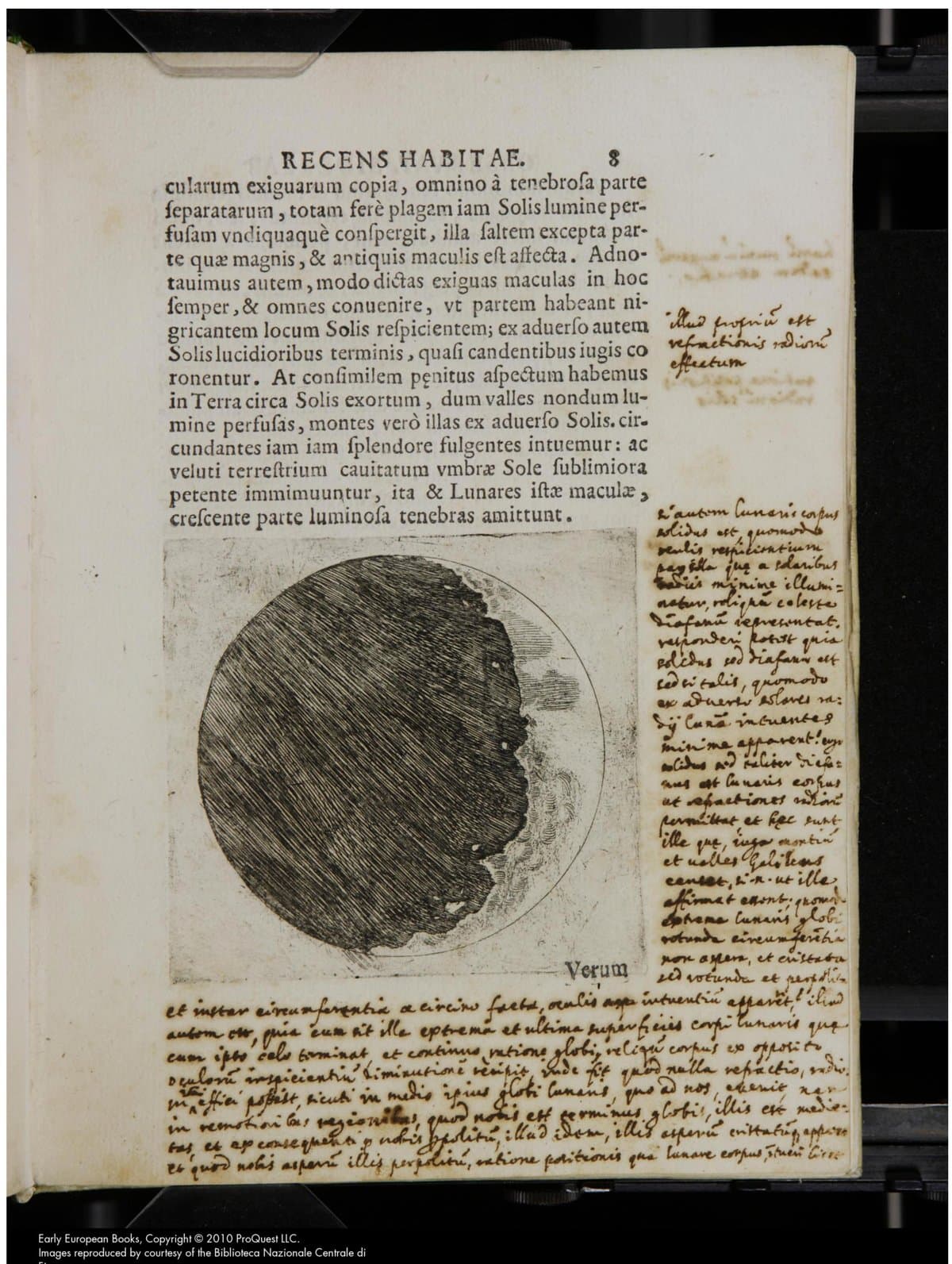
Starry Messenger
Galileo Galilei, 1610
The first report on telescopic observations, revealing mountains on the moon and the moons of Jupiter.
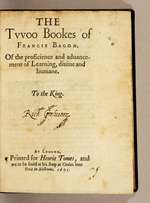
The Advancement of Learning (1605 first edition)
Bacon, Francis, 1605
Bacon's manifesto for the systematic pursuit of knowledge through inductive reasoning.
“For this reason, alone among all earthly living things, man is considered to be of a dual nature : mortal indeed because of the body, but immortal because of the substantial Man .”
“The soul, however, is indivisible and simple, having no internal separation or distance between parts. Therefore, the motion of the soul is indivisible and simple, and is completed entirely at a single point of time .”
“For some say there is absolutely no vacuum; others say that while no vacuum exists according to nature, there is one scattered in small particles through air, water, and other bodies. It is to these latter thinkers that we should most closely agree.”

Timeline
Ficino completes the first Latin translation of the Corpus Hermeticum
Copernicus publishes his heliocentric theory on his deathbed


Where to Start
The Aspiring Neoplatonist
Trace the path of the soul from ancient mystery to Renaissance theology.
- 1The Pimander of Hermes Trismegistus
Begin with the Hermetic foundation of man's dual nature.
- 2The Complete Works of the Divine Plato
Study the Platonic dialogues that formed the basis of the Florentine Academy.
- 3Platonic Theology on the Immortality of Souls
Conclude with Ficino's massive defense of the immortality of the soul.
The Scientific Historian
See how classical geometry and logic gave birth to the Scientific Revolution.
- 1The Elements
Master the geometric proofs that provided the language for physics.
- 2On the Revolutions of the Heavenly Spheres
Witness the first major break from the Aristotelian geocentric model.
- 3Dialogue Concerning the Two Chief World Systems
Explore the dialogue that ultimately led to Galileo's trial and the triumph of the new science.
All Books
Browse Full Catalog→1,485 books in this collection
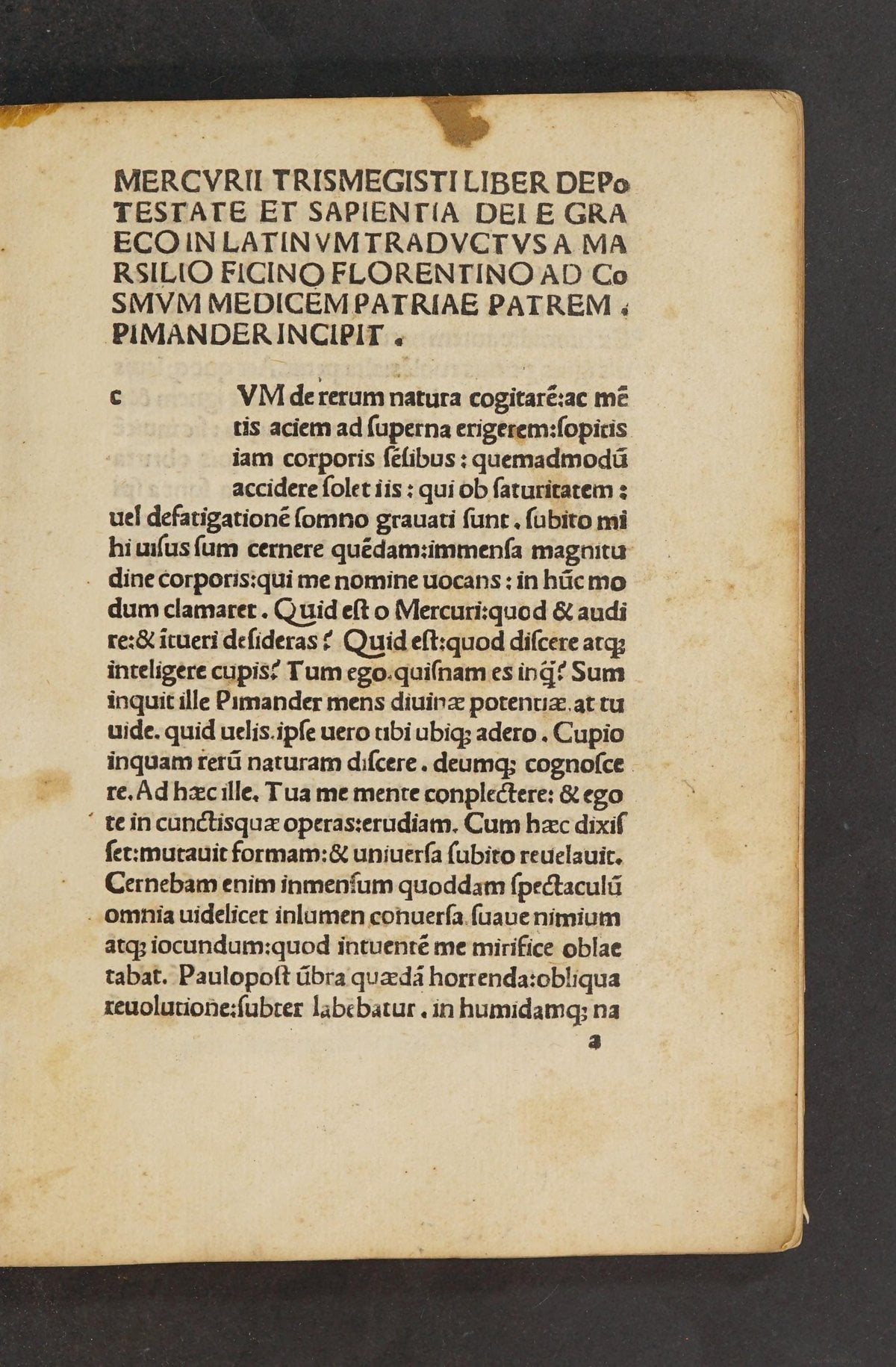
The Pimander of Hermes Trismegistus
Hermes Trismegistus; Ficino, Marsilio (translator)
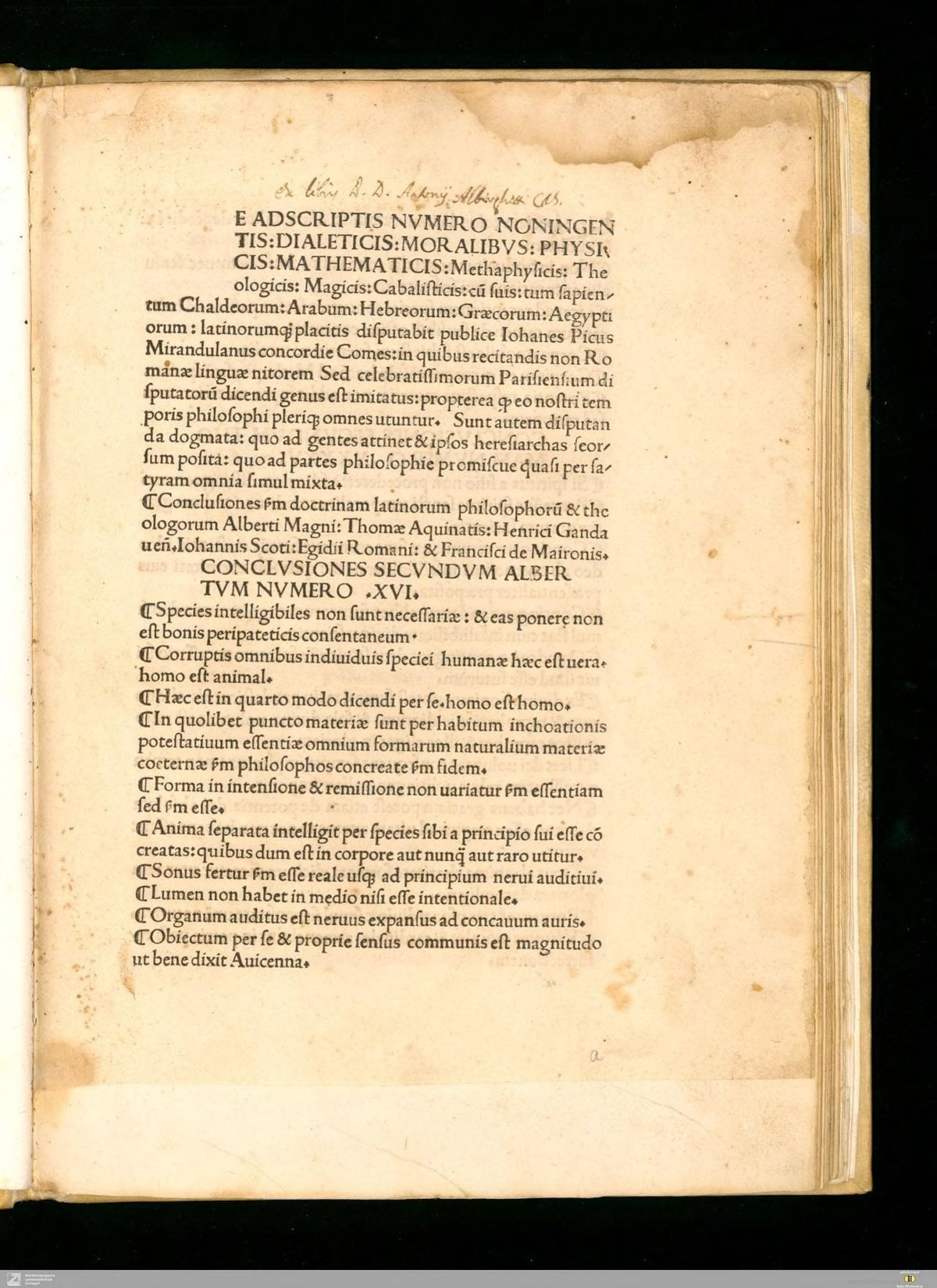
The 900 Theses
Pico della Mirandola, Giovanni (1463-1494)
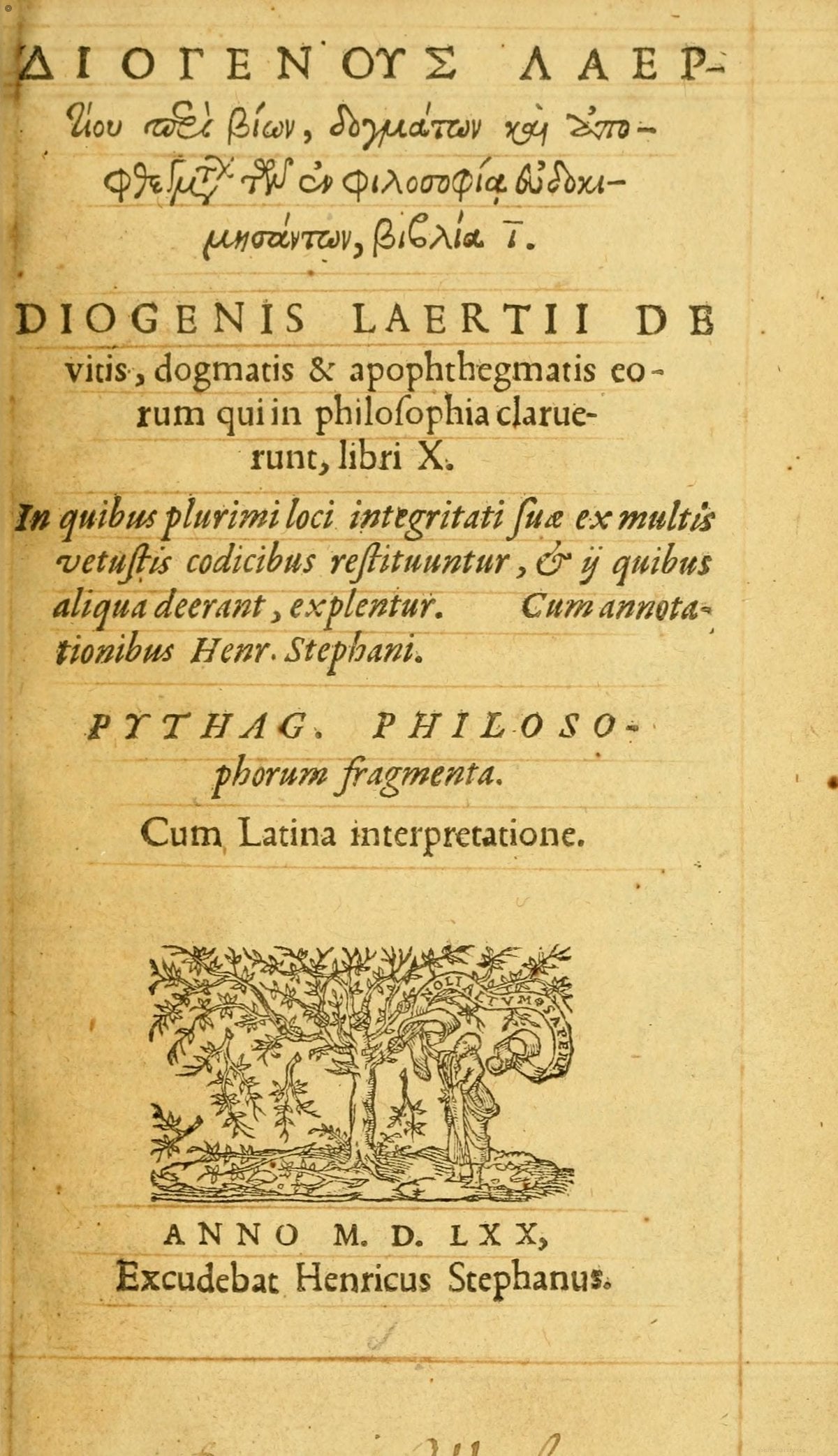
Lives and Opinions of Eminent Philosophers
Diogenes Laertius
On the Mysteries
Ficino
Corpus Hermeticum with Pneumatica and Ocellus Lucanus
Hermes Trismegistus (attrib.) | Hero of Alexandria
The Twelve-Stringed Lyre
Heinrich Glareanus
Origen Philocalia (Greek)
Origen / Gulielmus Spencerus (ed.)

Three Books on Life
Ficino, Marsilio (1433-1499)
Ten Books on Architecture
Vitruvius Pollio
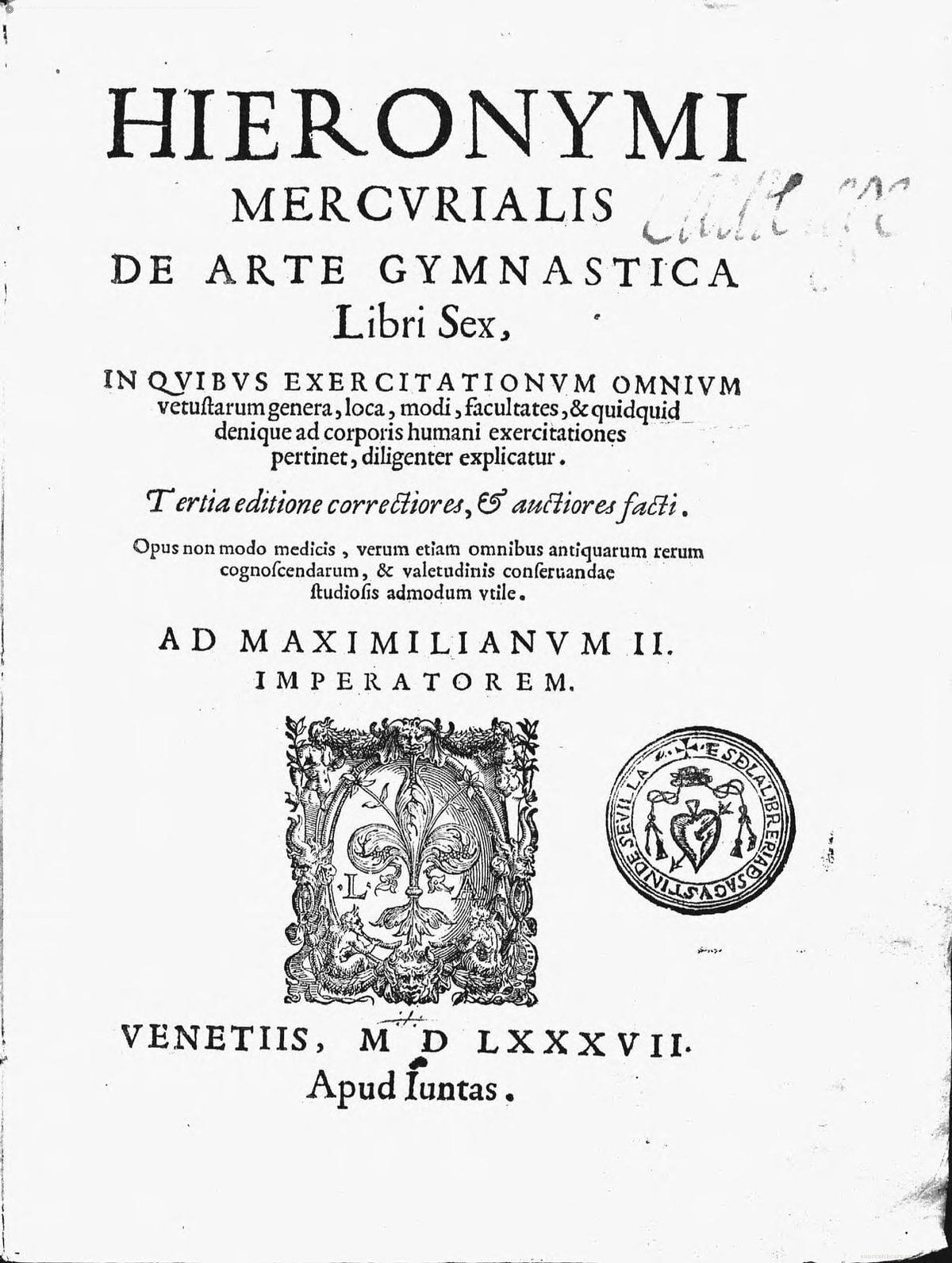
Six Books on the Art of Gymnastics
Mercuriale, Girolamo, 1530-1606
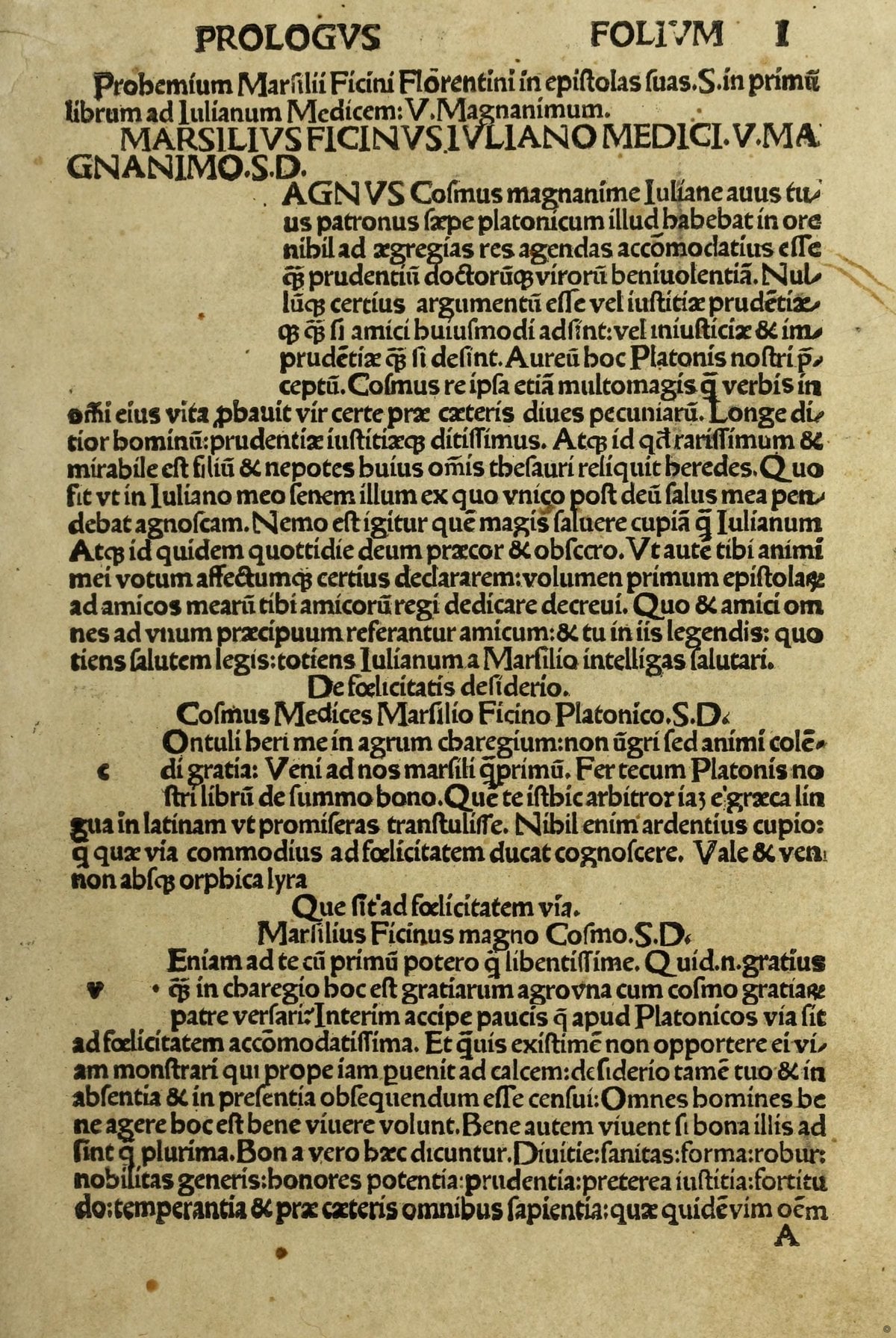
The Letters of Marsilio Ficino
Ficino, Marsilio, 1433-1499
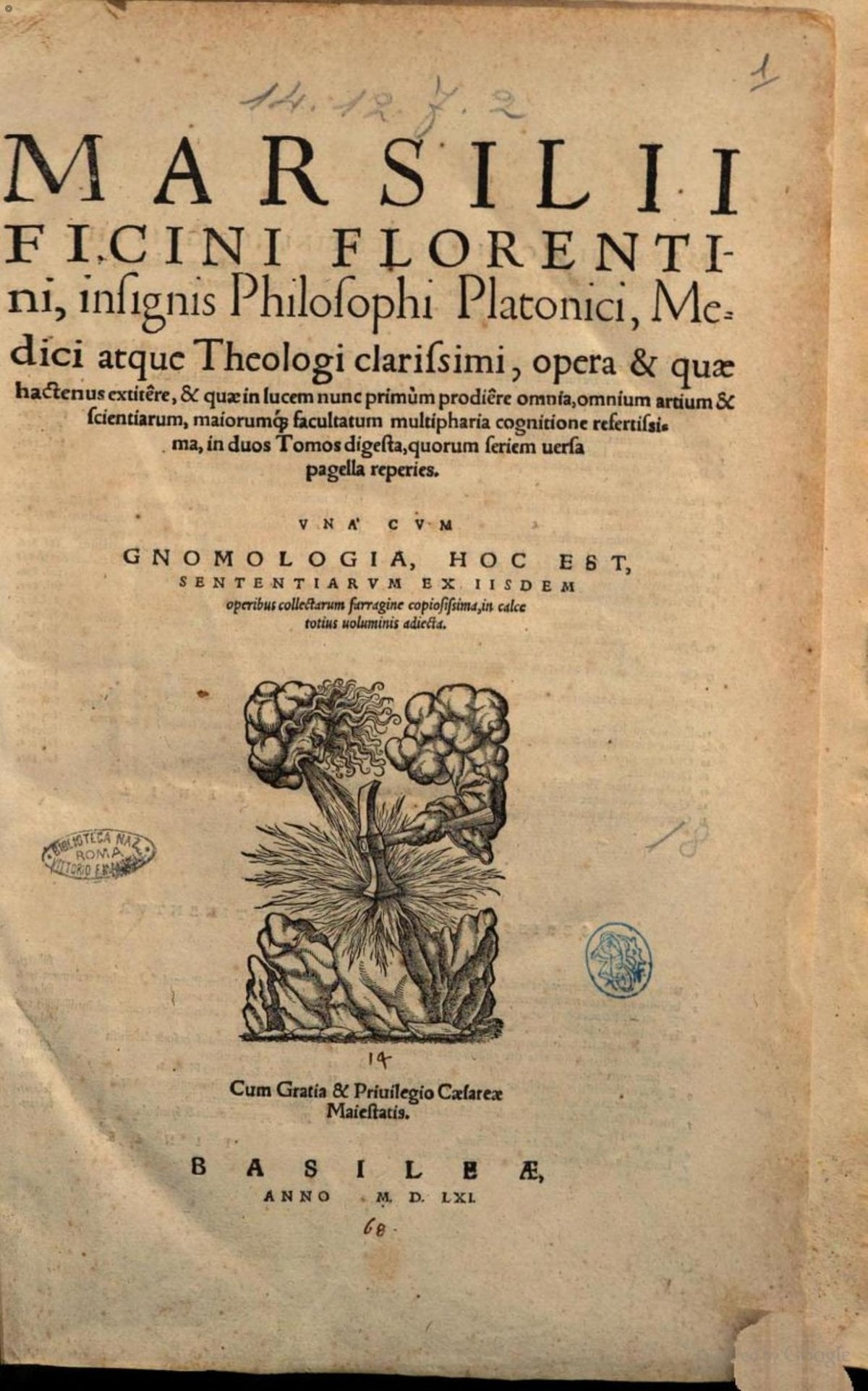
The Complete Works of Marsilio Ficino
Marsilio Ficino
Eight Books on Astrology
Julius Firmicus Maternus
Introduction to Astronomy
Abu Ma'shar (Albumasar)