


Indian Philosophy & Sacred Texts
Vedas, Upanishads, Tantras, Darśanas, and Epics in original Sanskrit and Pali


Illustrations
Browse all31 images extracted from 10 books
This finely executed engraving captures a solitary figure in period attire, set against a serene, expansive landscape. The work exemplifies the technical precision of the era, using delicate crosshatching to convey both the texture of the subject's clothing and the depth of the distant horizon.
This refined engraving captures a scholar in his study, surrounded by the tools of intellectual inquiry. The presence of the globe and open volumes emphasizes the period's dedication to empirical knowledge and the exploration of the natural world.
This intricate woodcut depicts the goddess Durga, the embodiment of divine feminine power, triumphing over the buffalo demon Mahishasura. She is flanked by her children—Ganesha, Lakshmi, Sarasvati, and Kartikeya—while the god Shiva watches from the celestial arch above, illustrating the classic Puranic narrative of cosmic order restored.
This refined engraving captures a scholar in a moment of quiet contemplation within his study, surrounded by the tools of his intellectual trade. The meticulous crosshatching and attention to the subject's posture reflect the high standards of 17th-century portraiture, serving as a testament to the era's reverence for humanistic learning.
This finely executed engraving presents a solitary figure, likely a traveler or scholar, set against a sprawling, atmospheric landscape. The meticulous crosshatching and attention to the subject's attire reflect the technical mastery of the period's printmakers in capturing both human character and environmental depth.
This serene portrait depicts Swami Vivekananda, the Indian monk who played a pivotal role in introducing Yoga and Vedanta to the Western world in the late 19th century. He is shown in a traditional meditative posture, wearing his characteristic turban and monastic robes, embodying the spiritual calm and intellectual depth he was known for. This image remains one of the most recognizable and revered depictions of the philosopher-monk.

This refined engraving captures a scholar in his study, surrounded by the tools of intellectual inquiry. The presence of the globe and the open book emphasizes the Enlightenment-era pursuit of global knowledge and the importance of the written word in shaping the modern worldview.

This finely executed engraving presents a dignified portrait of a man in profile, characteristic of the intellectual portraiture found in early modern printed volumes. The precise line work and attention to the texture of the ruff and garments highlight the technical mastery of the period's printmakers.

This intricate engraving portrays a scholar in deep contemplation, surrounded by the tools of early modern scientific inquiry. The presence of the complex mechanical sphere highlights the era's fascination with mapping the heavens and understanding the mathematical order of the universe.
Visual Art
Browse all art →60 works of visual art in this collection
 painting
Green Tara
Aniko (Nepalese, active in Tibet mid- to late 1200s)
The Buddhist deity Green Tara seated in the posture of royal ease on a lotus throne within an ornate architectural gateway.
 print
printDiptych of Kali / Tara, wrathful protectors
Calcutta Art Studio
 painting
Shiva and Parvati Playing Chaupar: Folio from a Rasamanjari Series
Devidasa of Nurpur
 print
printKali, the wrathful protector (Shri Shri Kali) (recto); Kali (verso)
G. C. Dass
 object
Lovers (Mithuna)
India, Madhya Pradesh, Khajuraho, Medieval period, Candella dynasty, 11th century
 print
printMithuna (Loving Couple)
India, Orissa, early 14th Century
 object
Agni, God of Fire
India, Uttar Pradesh
 painting
Mandala of the Sun God Surya
Kitaharasa
 painting
Leaves from an Ashtasahasrika Prajnaparamita Sutra
Mahavihara Master
 painting
Rama Releases the Demon Spies Shuka and Sarana: Folio from the Siege of Lanka series
Manaku
 painting
Kali on Shiva, from a Tantric Devi Series
Northern India, Pahari kingdoms
 painting
Tantric Devi on Shiva, from a Mandi Devi Series
Northern India, Pahari kingdoms
 object
Amorous Couple (Mithuna)
Northern India, Uttar Pradesh, Ahichchatra, Gupta period (c. 320-550)
 painting
Krishna and the Gopis Gather for Rasamandala
Northwestern India, Rajasthan, Rajput Kingdom of Kota
 painting
The Birth of Krishna, from a Sursagar of Surdas (Indian, c. 1480–1580)
Northwestern India, Rajasthan, Rajput Kingdom of Mewar
The intellectual and spiritual traditions of the Indian subcontinent, preserved in their original languages. From the Vedic hymns composed over three millennia ago to the sophisticated philosophical systems of Kashmir Shaivism and the great epics that shaped Asian civilization.
This collection prioritizes original-language editions — Sanskrit, Pali, and Prakrit texts in their earliest reliable print forms, including landmark series like the Kashmir Series of Texts and Studies (KSTS) and the Sacred Books of the East.
All Books
Browse Full Catalog→238 books in this collection
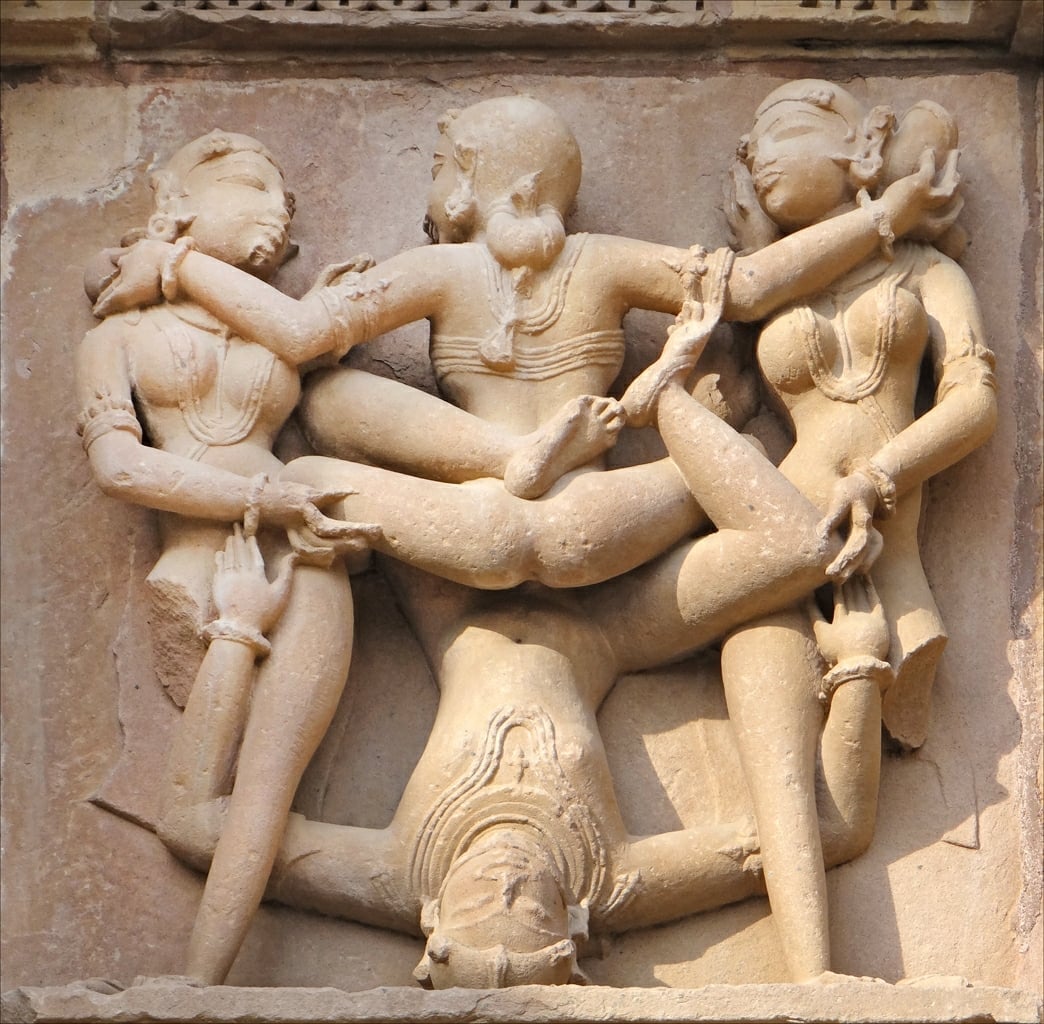
1 Erotic Kama statues of Khajuraho Hindu Temple Kandariya Mahadeva Khajurâho India 2013
Unknown (Chandela dynasty)
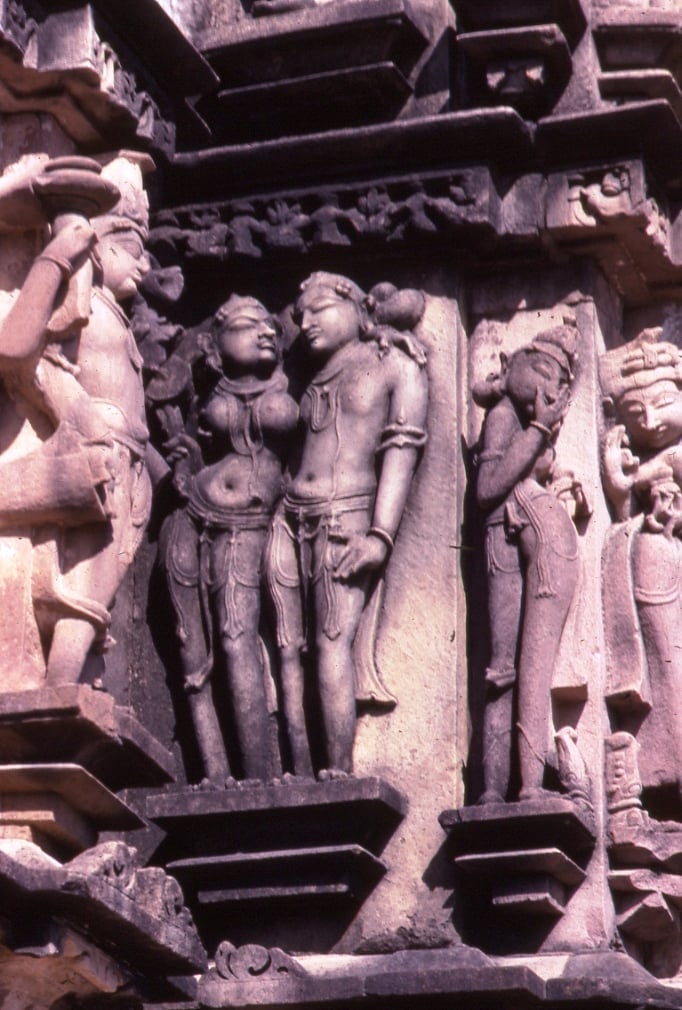
17. Khajuraho Devi Jagadambi mithuna apsara
Unknown (Chandela dynasty)
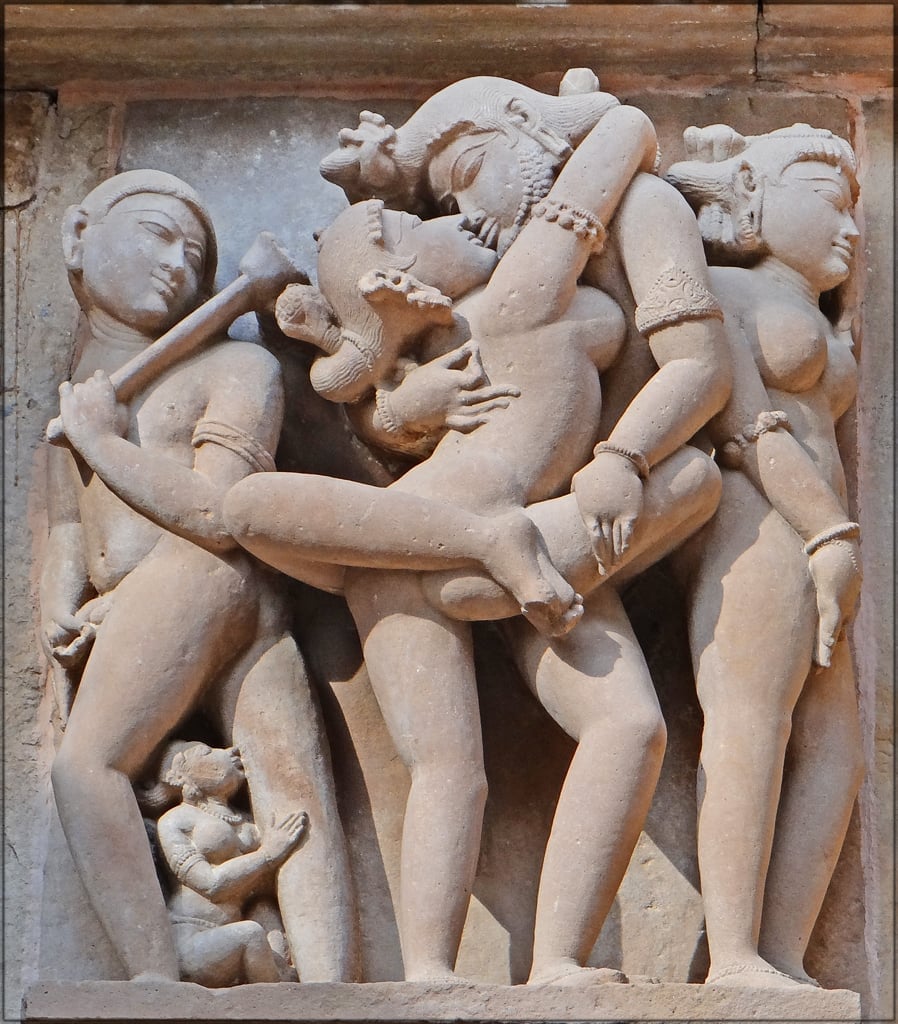
2 Erotic Kama statues of Khajuraho Hindu Temple de Lakshmana Khajurâho India 2013
Unknown (Chandela dynasty)
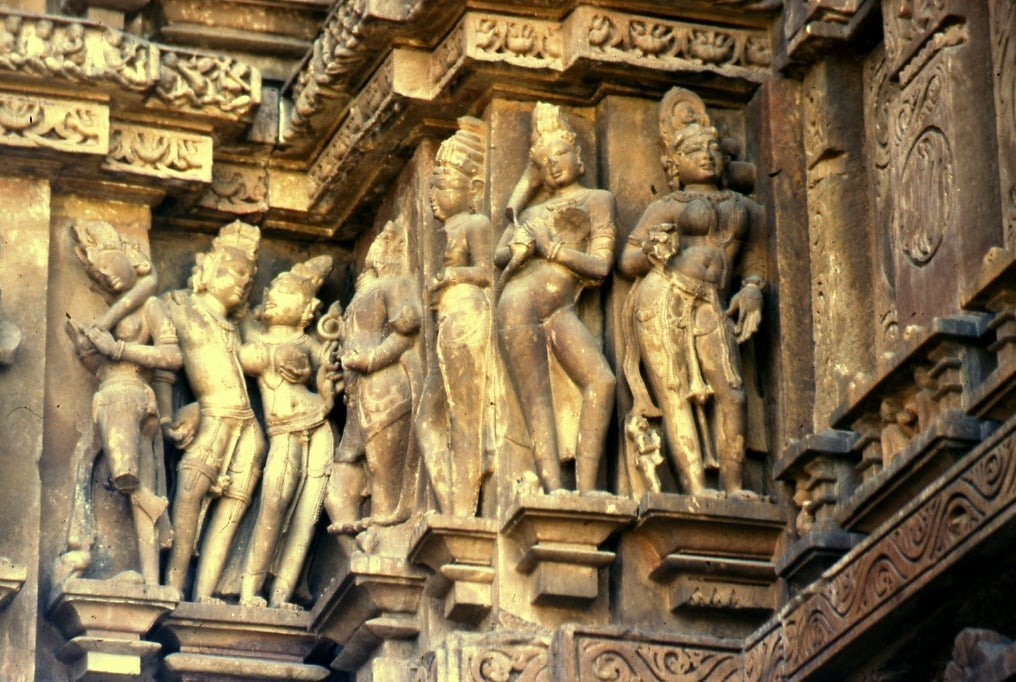
29. khajuraho visvanath north wall
Unknown (Chandela dynasty)
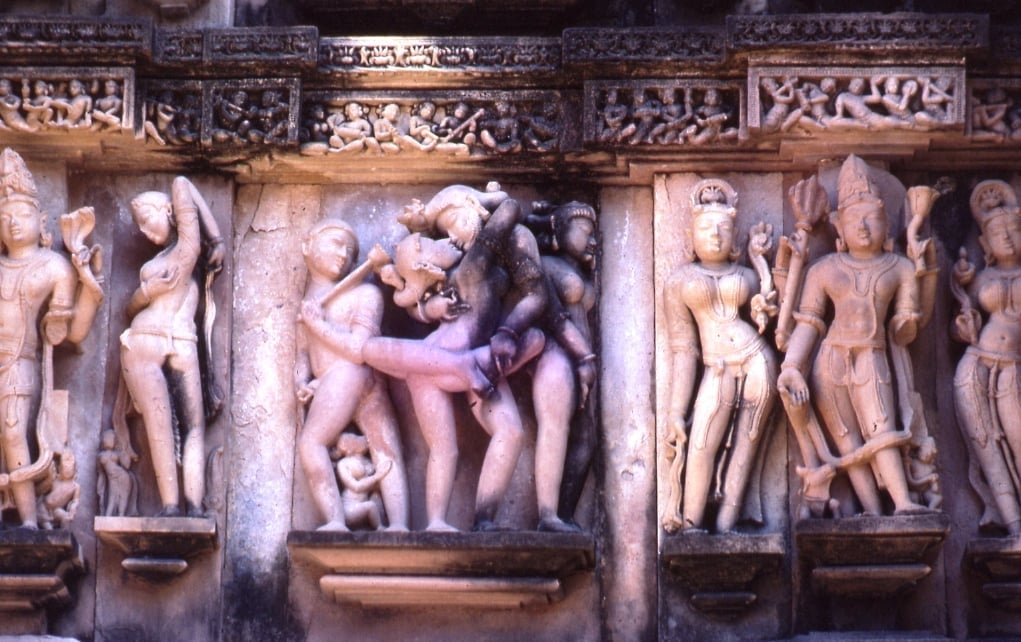
38.Khajuraho Laksmana south wall mithuna
Unknown (Chandela dynasty)
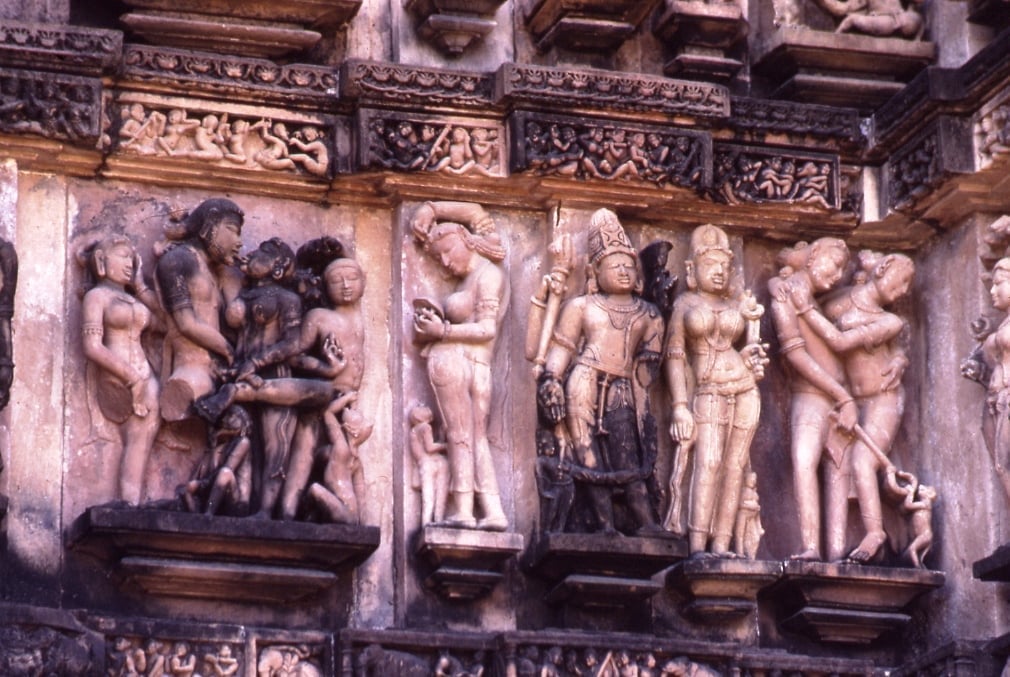
4. Khajuraho Laksmana mithunas- apsarases
Unknown (Chandela dynasty)
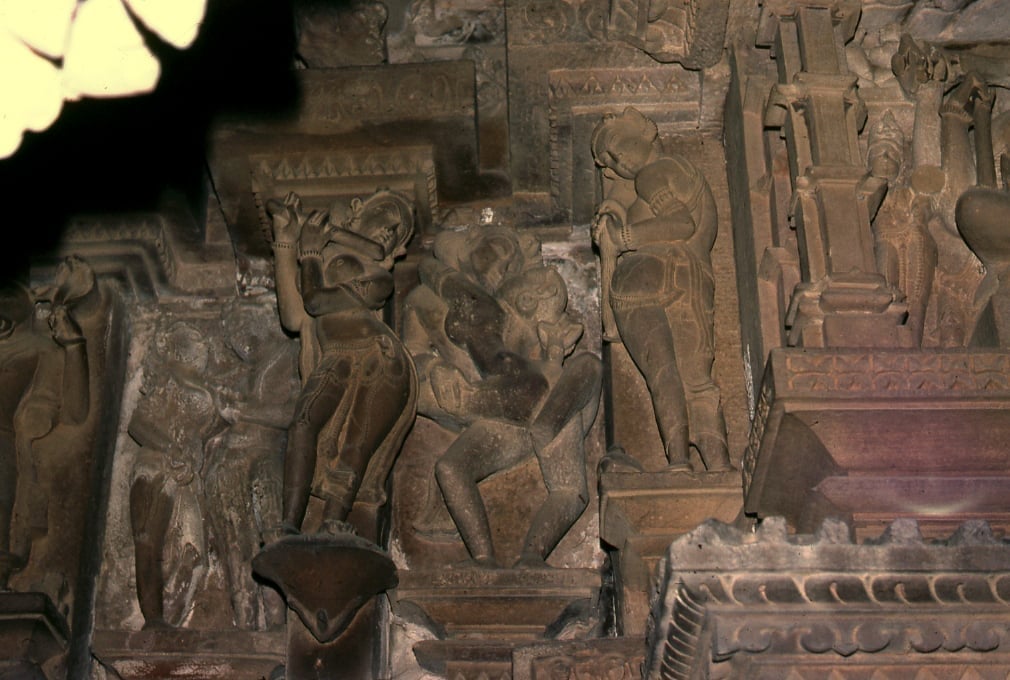
5. Khajuraho Visvanath mithuna
Unknown (Chandela dynasty)
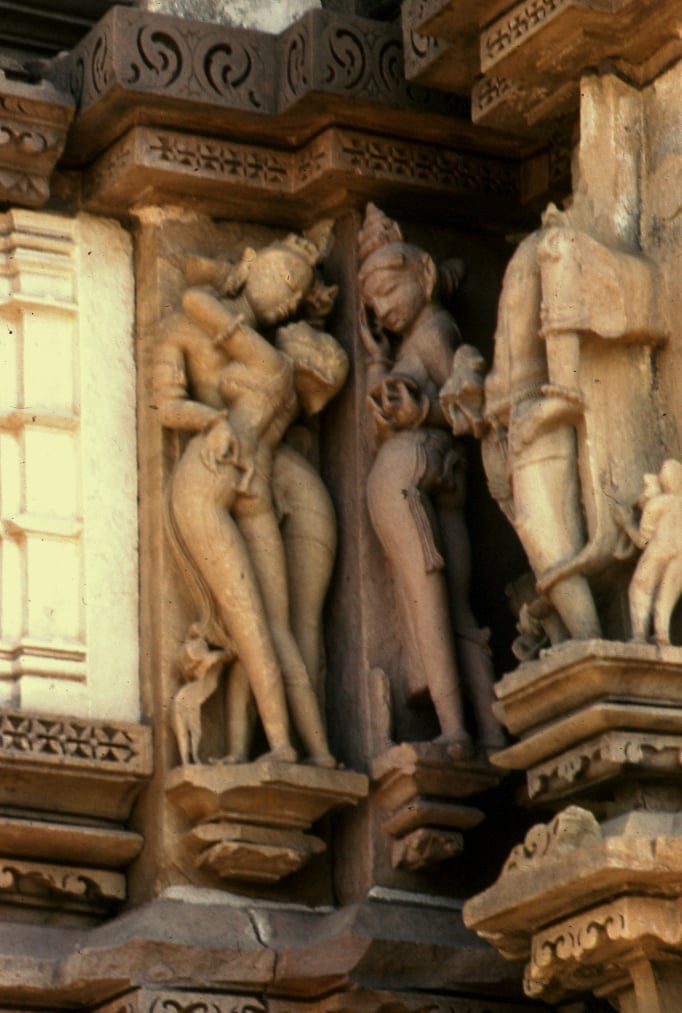
9 Khajiro Chitragupta apsara mithuna
Unknown (Chandela dynasty)
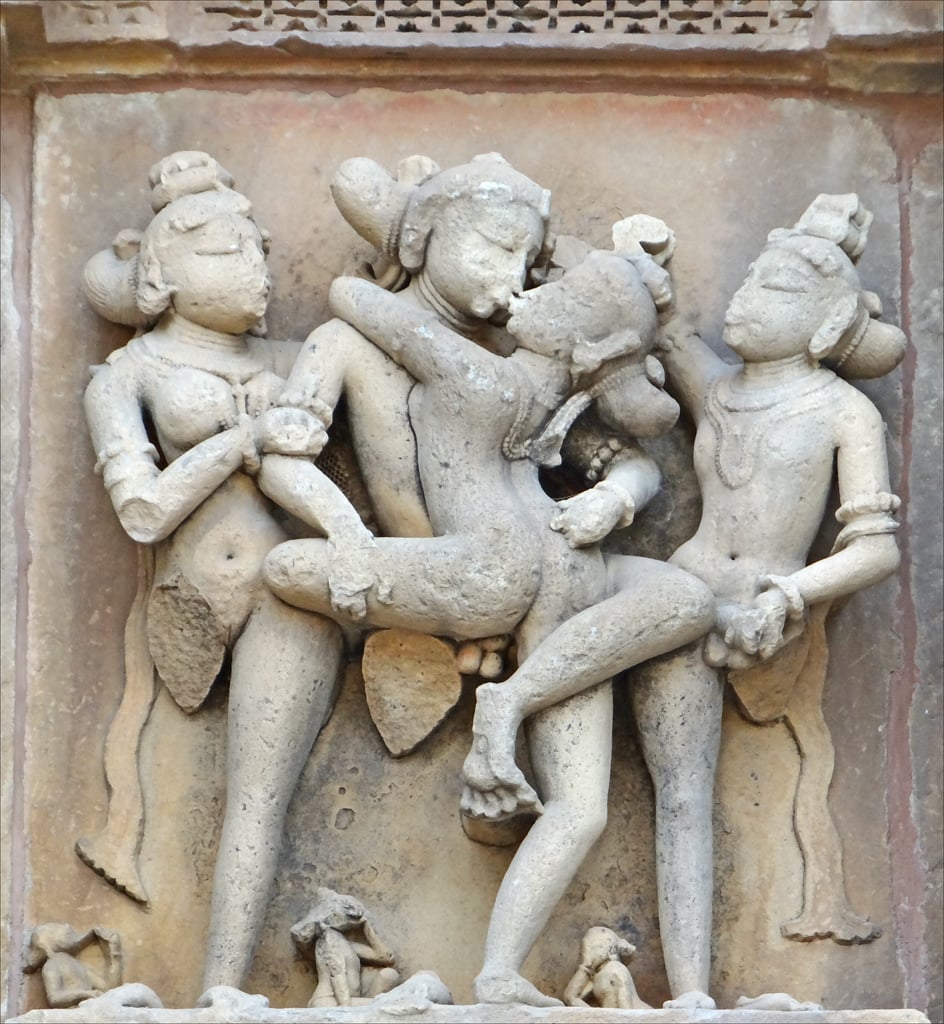
A mithuna scene at the Le Temple Kandariya Mahadeva (Khajuraho)
Unknown (Chandela dynasty)
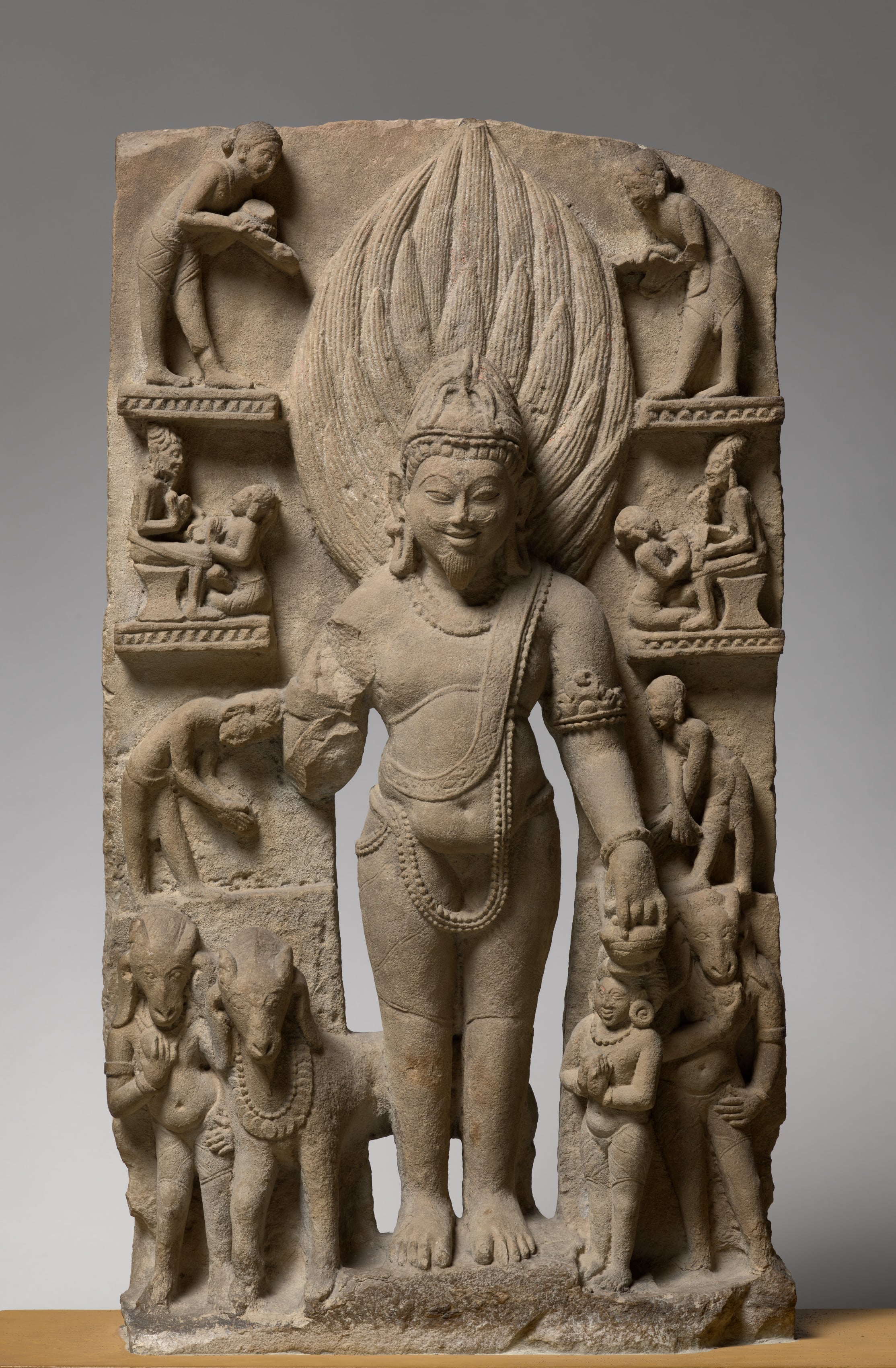
Agni, God of Fire
India, Uttar Pradesh
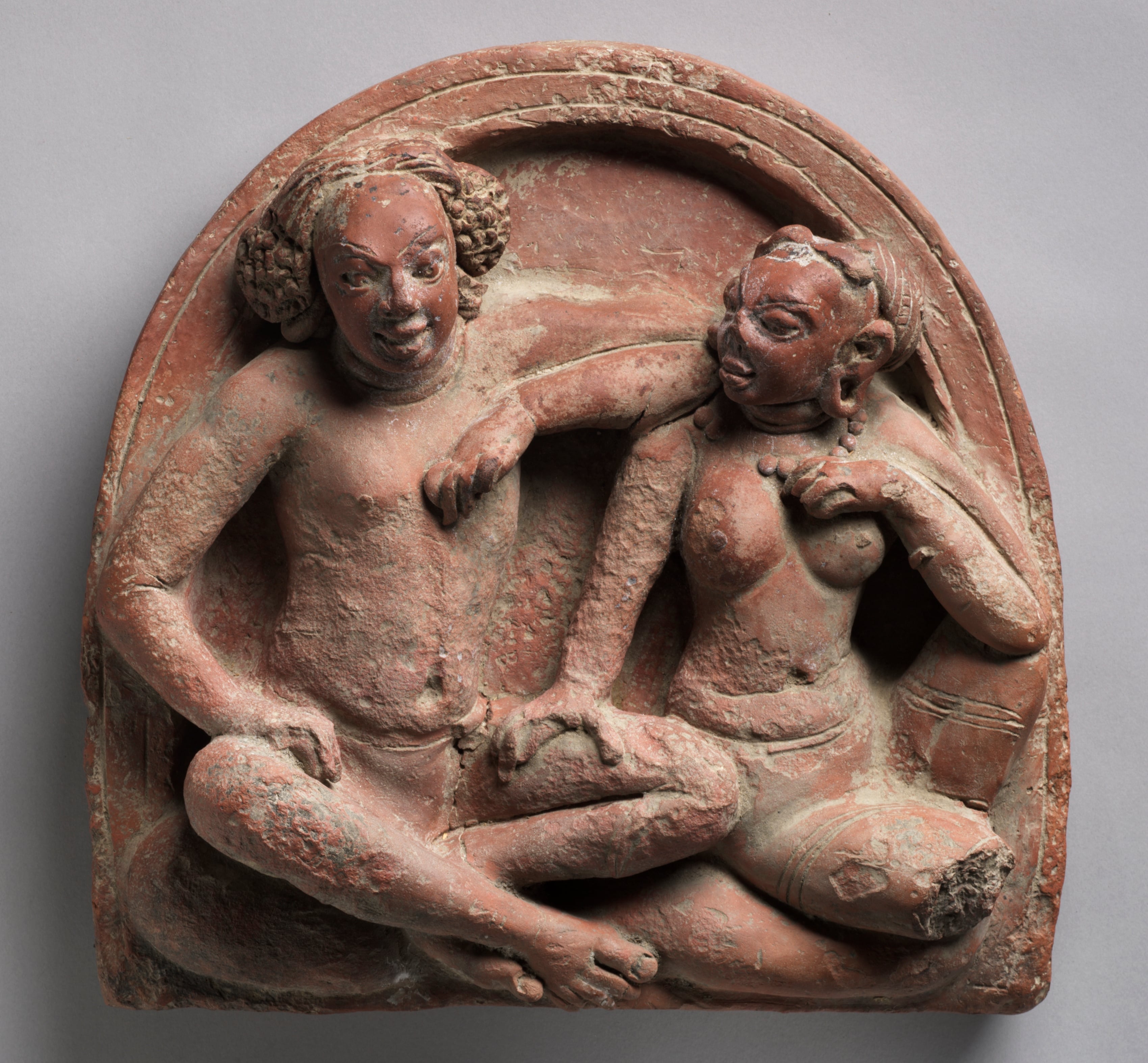
Amorous Couple (Mithuna)
Northern India, Uttar Pradesh, Ahichchatra, Gupta period (c. 320-550)

Anaṅga-Raṅga of Kalyāṇamalla
Kalyāṇamalla
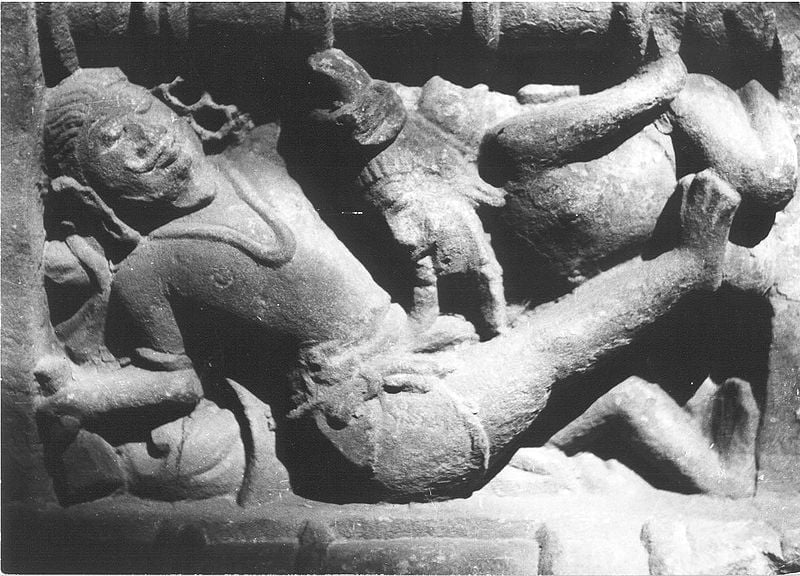
At the Lakshmana temple in Khajuraho (954 CE), a man receives fellatio from a seated male as part of an orgiastic scene
Unknown (Chandela dynasty)
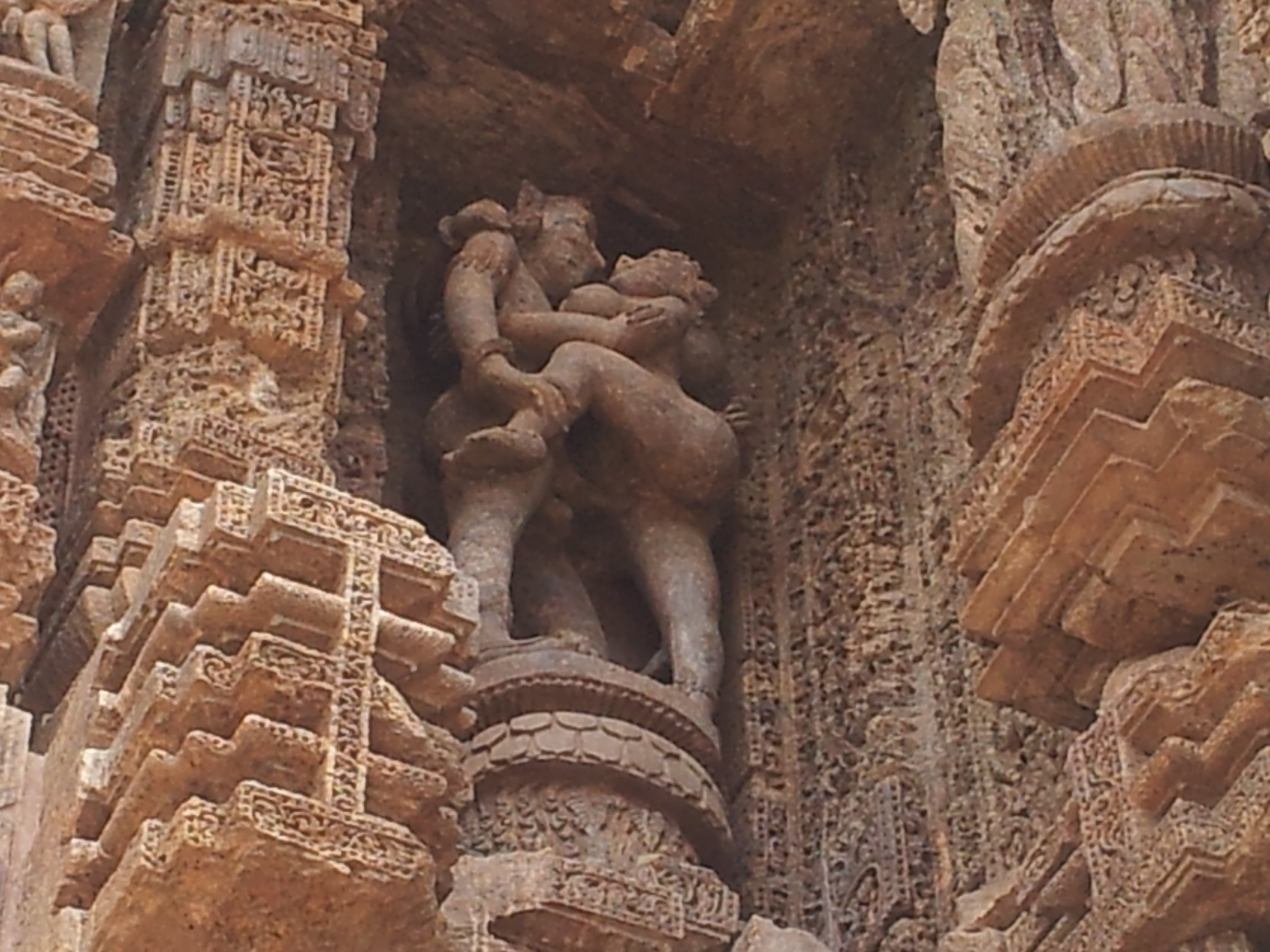
Beautiful work of the sculpturer of the temple
Unknown (Eastern Ganga dynasty)