


Renaissance Philosophy
Humanism, Neoplatonism & the Dignity of Man


Illustrations
Browse all435 images extracted
This intricate engraving, likely from Robert Fludd's monumental work 'Utriusque Cosmi' (1617-1621), illustrates a pneumatic experiment designed to demonstrate the principles of air expansion and contraction. The apparatus consists of a large leaden sphere (A) connected by a curved tube (E) to a water-filled vessel (C), showing how heat—symbolized by the sun in the upper corner—affects the pressure and movement of fluids. Fludd's work is a prime example of the early modern synthesis of empirical observation, mechanical philosophy, and hermetic mysticism.
This intricate hand-colored volvelle from Peter Apian's 'Astronomicum Caesareum' (1540) is a sophisticated paper instrument designed to calculate the position of the planet Saturn. A divine hand emerges from a cloud at the top, symbolizing the celestial order, while the rotating discs allow the user to simulate complex planetary movements within the zodiac. This work is celebrated as one of the most beautiful and technically advanced examples of 16th-century scientific printing.
This hand-colored woodcut illustrates the legend of Claudia Quinta, a Roman matron who proved her virtue by miraculously pulling a grounded ship carrying the statue of the goddess Cybele into Rome. The scene captures the moment of divine intervention and the vindication of her character, a popular theme in Renaissance moral literature. The vibrant hand-coloring and expressive figures are characteristic of late 15th-century German book illustration.
This celebrated frontispiece by Stefano della Bella introduces Galileo's seminal work, 'Dialogue Concerning the Two Chief World Systems.' It portrays an imagined meeting between Aristotle, Ptolemy, and Copernicus, representing the clash between ancient geocentric models and the emerging heliocentric theory. Copernicus is shown holding a model of the sun-centered universe, signaling the revolutionary shift in scientific thought that Galileo's book would champion.
This intricate engraving serves as an allegorical gateway to the 'Amphitheater of Eternal Wisdom.' It depicts seekers of knowledge standing before a mountain inscribed with divine truths, leading toward a cave entrance that symbolizes the path to spiritual and alchemical enlightenment. The scene masterfully blends landscape, human figures, and sacred text to illustrate the journey toward understanding the mysteries of the creator.
This intricate diagram illustrates the apparent path of Mars as viewed from a stationary Earth, according to the observations of Tycho Brahe between 1580 and 1596. Kepler uses this 'spiral' visualization to demonstrate the extreme complexity of planetary motion under old geocentric models before he eventually proved that planets move in elliptical orbits around the Sun. The outer ring features the symbols of the Zodiac, providing a celestial frame of reference for the planet's erratic-looking loops.

This monumental engraving serves as a visual encyclopedia of musical theory and its mathematical foundations. The structure is a 'Temple of Music,' where architectural elements like columns and arches house organ pipes and complex tables that illustrate the ratios of musical intervals. At the base, figures are shown in a workshop, perhaps referencing the legendary discovery of musical proportions by Pythagoras in a blacksmith's forge, while the upper levels connect earthly music to the celestial harmony of the spheres.

This woodcut from Albrecht Dürer's landmark treatise 'De Symmetria Partium Humanorum Corporum' (1532) demonstrates his analytical approach to the human form. The figure is mapped with precise numerical measurements, reflecting the Renaissance quest to find mathematical harmony and ideal beauty through geometric principles. Dürer's work bridged the gap between the artistic workshop and scientific inquiry, influencing centuries of anatomical study.

This intricate woodcut serves as the title page for John Dee's seminal 1564 work, Monas Hieroglyphica. The central oval displays Dee's 'Hieroglyphic Monad,' a complex symbol intended to represent the unity of the cosmos through a synthesis of astrological and geometric forms. Surrounded by an architectural frame adorned with elemental labels and celestial figures, the page encapsulates the Renaissance quest to decode the hidden laws of nature.
Visual Art
Browse all art →60 works of visual art in this collection
 map
mapRomani Imperii Imago (Map of the Roman Empire)
Abraham Ortelius
This is an engraved map depicting the extent of the Roman Empire across Europe, North Africa, and the Near East, featuring an inset panel illustrating various ancient Roman coins.
 emblem
Coat of Arms with a Skull
Albrecht Dürer
A wild man stands behind a fashionably dressed woman, together supporting a large heraldic shield emblazoned with a human skull.
 allegory
Death Approaches the Feast
Anonymous
Death, depicted as a hooded skeleton, stands behind a group of diners at a table and presents a human skull to a young woman, while Cupid hovers above the scene aiming his bow.
 emblem
Death's Coat of Arms
Anonymous
A man and a woman in 16th-century courtly dress stand on either side of an elaborate heraldic shield bearing a human skull, while two skeletal arms emerge from behind the shield to hold an hourglass and a stone.
 object
Memento Mori Pendant with Death
Anonymous
A miniature gold and enamel pendant figure of Death depicted as a human skeleton carrying a scythe.
 allegory
Time and Death — Dance of Death
Anonymous
A personified skeleton representing Death and an elderly man representing Time stand behind a seated man who is reading in a room filled with classical busts, while another man at a nearby desk draws.
 painting
Vanitas Still Life with Ledger and Skull
Anonymous
A dark still life features a human skull resting next to a thick ledger labeled 'DEBITI', upon which an owl sits, accompanied by a small mouse, wheat stalks, a magnifying glass, and an open book.
 allegory
Death and the Newlyweds
Anonymous (Dutch)
This engraving depicts a fashionably dressed bridal couple being confronted by a skeletal figure of Death.
 painting
The Dance of Death
Anonymous (German, 16th century)
A Danse Macabre scene depicting various figures from the social hierarchy—including a pope, emperor, king, and jester—dancing in a circle with skeletons.
 allegory
The Michelfeldt Tapestry — Allegory on Social Injustice
Attributed to Albrecht Dürer
The print depicts a personification of Time (a woman turning a crank) operating a wheel of nature and animals, while a procession of figures representing various social classes—a peasant, a laborer, a nobleman, and a soldier—walks to the right.
 allegory
The Triumph of Death
Boetius Adamsz. Bolswert
A winged skeletal figure of Death riding a chariot drawn by oxen fires a crossbow into a chaotic crowd of people from all walks of life.
 allegory
Allegory of Envy
Cristofano Robetta
A group of nude figures in a landscape featuring an emaciated, elderly woman standing centrally, often interpreted as a personification of Envy, amidst embracing couples and a small child.
 allegory
An Allegory of Abundance
Cristofano Robetta
A central female figure, likely personifying Abundance or Charity, is surrounded by four putti in a rocky landscape, with a bowl of fruit and an anvil suspended in a tree.
 painting
The Three Ages of Humans
Dosso Dossi
A pastoral landscape featuring figures representing different stages of human life: children playing, a couple embracing in courtship, and an elderly couple walking in the distance.
 emblem
Skull, Skeleton, and Symbols of Mortality
G. Altzenbach
A central human skull is flanked by two burning candles and topped with a floral garland, while below it lies a supine skeleton resting on a curved stone plinth accompanied by small animals.
The Rebirth of Ancient Wisdom and the Sovereign Human Soul
In 1486, a twenty-three-year-old count proposed 900 theses for public debate, claiming that humans have no fixed nature but create themselves through their own free will.

In the 15th century, the recovery of Greek manuscripts transformed European thought. Marsilio Ficino, working under the patronage of the Medici, translated the complete works of Plato and the mysterious The Pimander of Hermes Trismegistus. This revival of 'Ancient Theology' suggested that human beings were not merely fallen creatures, but 'terrestrial gods' capable of understanding the divine structure of the universe through reason and contemplation.
This intellectual freedom found its boldest expression in Pico della Mirandola, whose The 900 Theses sought to harmonize all systems of knowledge—from the Jewish Kabbalah to Aristotelian logic. The Renaissance philosopher was often a polymath; Leonardo da Vinci explored the mechanics of the world in his Forster Notebook I, while Albrecht Dürer provided the mathematical tools for artists in Instruction in Measurement, proving that beauty was rooted in geometric truth.
By the 17th century, this tradition culminated in the massive encyclopedic works of Robert Fludd and Athanasius Kircher. In The History of the Two Worlds and Universal Music-making (Musurgia Universalis), Volume I, they mapped the hidden sympathies between the stars, the human body, and the laws of acoustics. This collection tracks the transition from the medieval focus on the afterlife to the Renaissance celebration of human potential and the 'Dignity of Man'.
Key Figures
Marsilio Ficino
1433–1499
The Florentine priest and physician who translated the complete works of Plato and Hermes Trismegistus, launching the Neoplatonic revival.
The Pimander of Hermes TrismegistusLeonardo da Vinci
1452–1519
The ultimate 'Universal Man' who used drawing as a tool of philosophical inquiry to dissect the mechanics of nature and the human form.
Forster Notebook IRobert Fludd
1574–1637
An English physician and mystic who created the most ambitious visual encyclopedias of the macrocosm and microcosm in the 17th century.
The History of the Two WorldsThe Florentine Academy
1450-1500The recovery of the 'Prisca Theologia' or ancient theology that sought to unite Christian doctrine with Platonic and Hermetic wisdom.
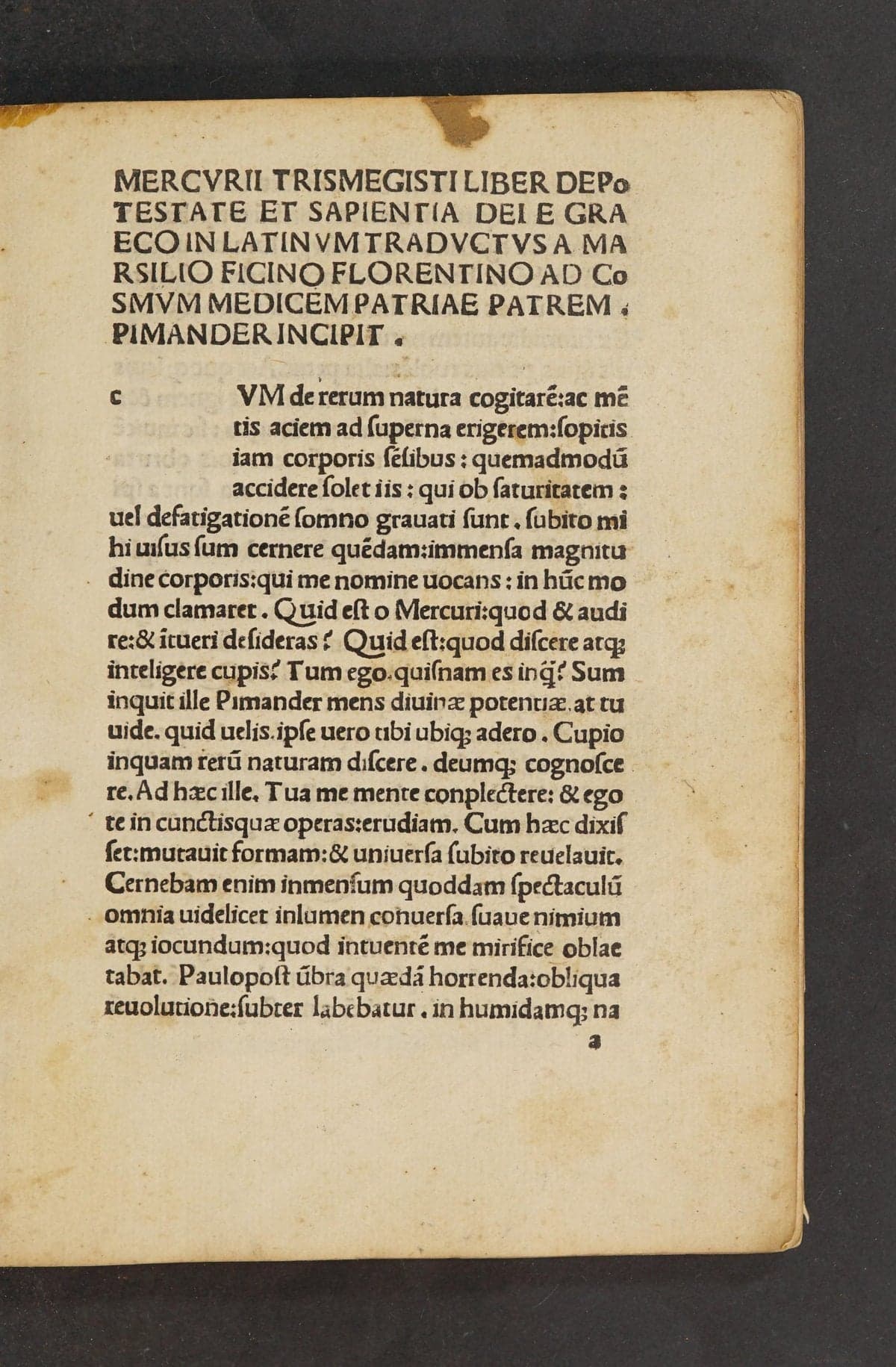
The Pimander of Hermes Trismegistus
Hermes Trismegistus; Ficino, Marsilio (translator), 1481First from Latin
The foundational text that reintroduced the Hermetic tradition to the Latin West.
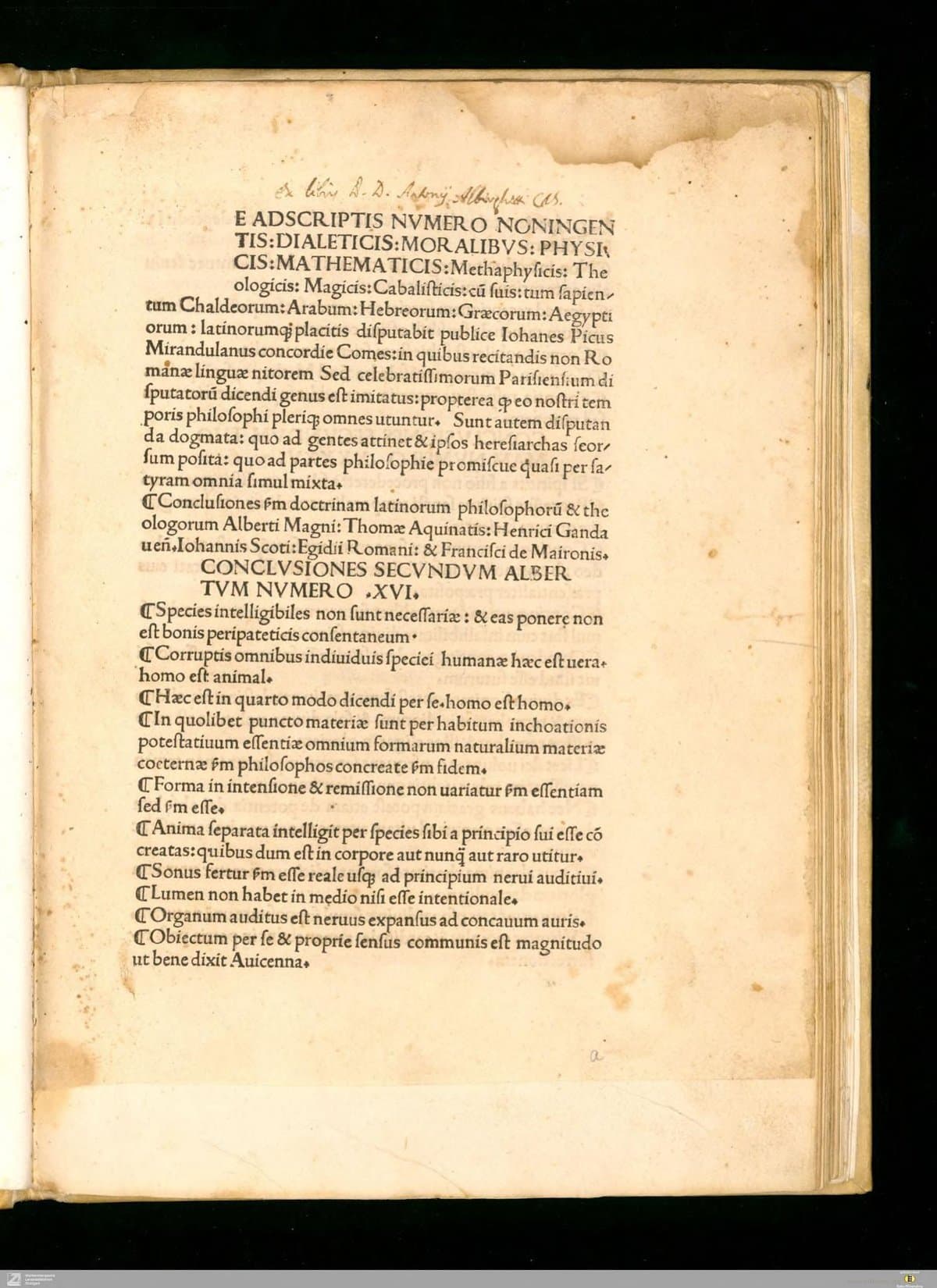
The 900 Theses
Pico della Mirandola, Giovanni (1463-1494), 1486
A manifesto for human freedom that attempted to synthesize all known systems of philosophy and religion.
On the Mysteries
Ficino, 1497First from Latin
Ficino’s vital translation of the Neoplatonic mysteries of Iamblichus.
The Geometry of Nature
1500-1560How the Renaissance mind used mathematics, proportion, and artistic observation to decode the physical world.
Instruction in Measurement
Albrecht Dürer, 1525
Dürer's practical application of Euclidean geometry to the arts of surveying and design.
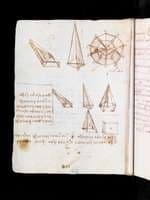
Forster Notebook I
Leonardo da Vinci, 1487
A primary record of Leonardo's attempts to find the geometric rules underlying hydraulic and mechanical systems.
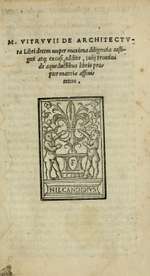
Ten Books on Architecture
Vitruvius Pollio, 1522
The classical blueprint that inspired the Renaissance obsession with 'perfect' architectural proportions.
Universal Harmonies
1600-1680The 17th-century expansion of Renaissance thought into music, acoustics, and the sympathetic links between the stars and man.
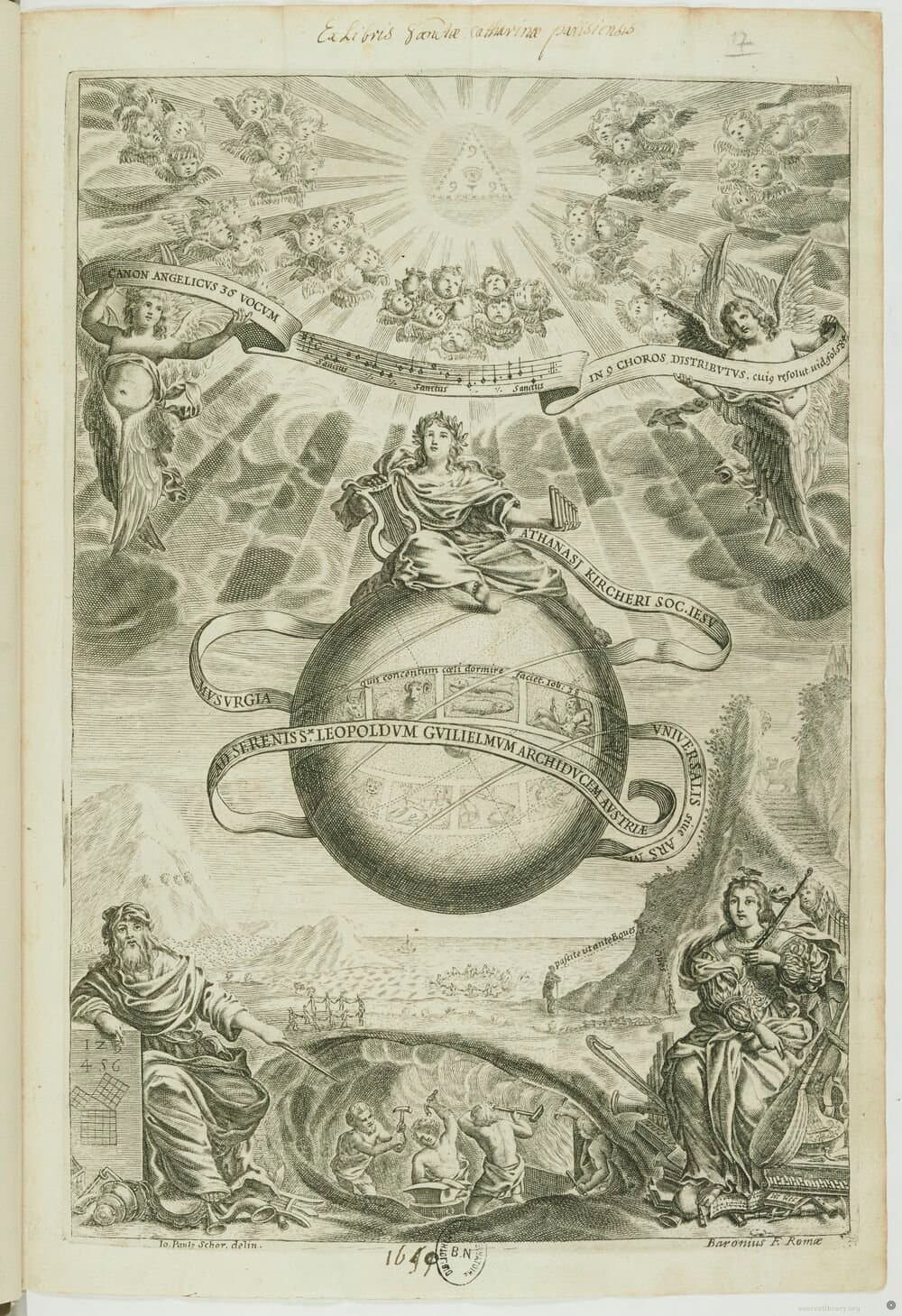
Universal Music-making (Musurgia Universalis), Volume I
Athanasius Kircher, 1650First Complete Translation
Kircher's definitive attempt to explain the entire universe through the laws of musical harmony.
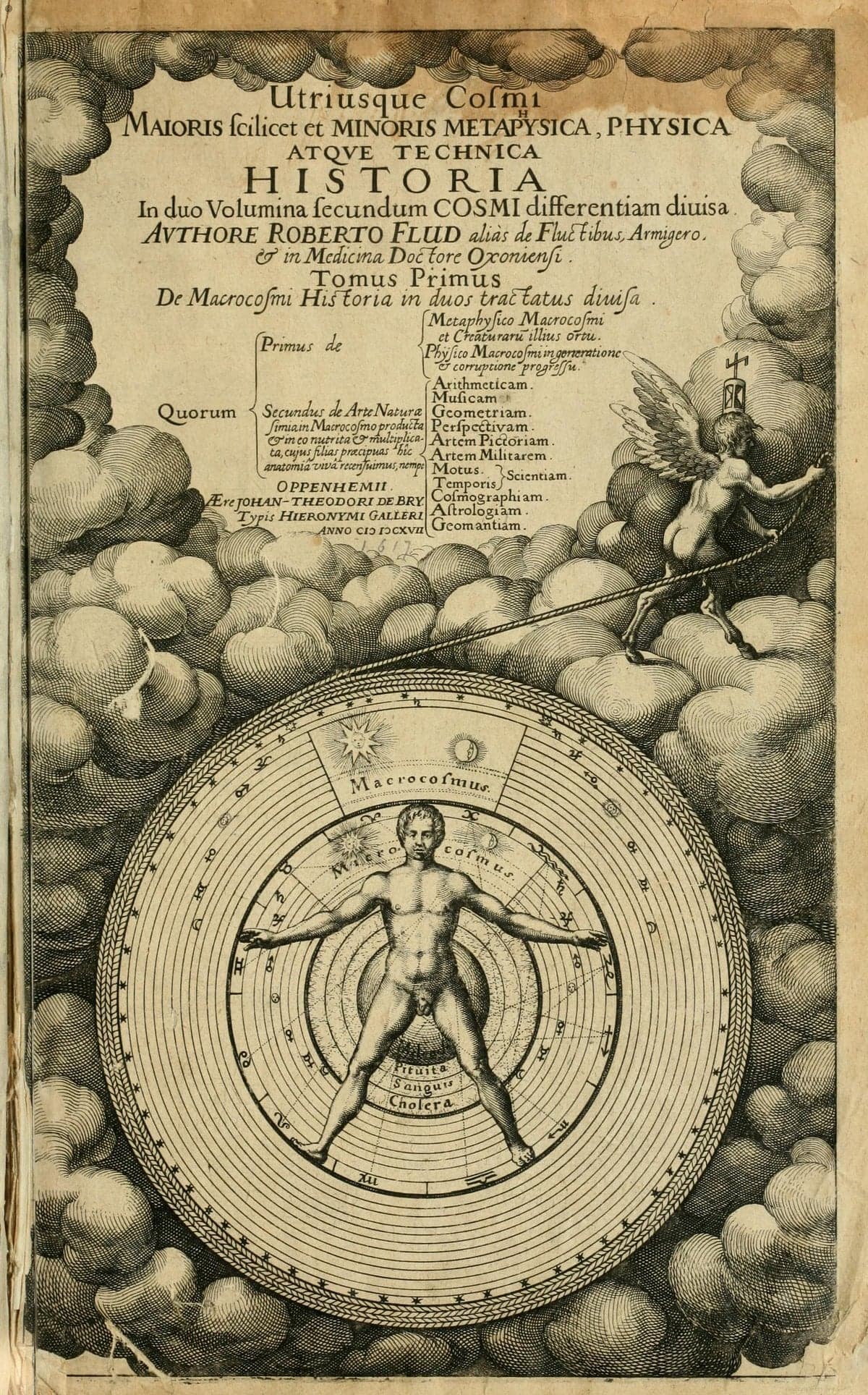
The History of the Two Worlds
Robert Fludd, 1617First Complete Translation
A monumental visual encyclopedia mapping the correspondences between the celestial and terrestrial worlds.
New Astronomy
Johannes Kepler, 1609
The work that broke the ancient circle-fixation of astronomy, finding elliptical truth in the heavens.
“The soul, however, is indivisible and simple, having no internal separation or distance between parts. Therefore, the motion of the soul is indivisible and simple, and is completed entirely at a single point of time.”
“For arts are very easily lost, but only with difficulty and over a long time are they rediscovered.”
Illustrations from the Collection


Where to Start
The Aspiring Neoplatonist
Trace the movement from the recovery of ancient texts to the formation of a new human-centered theology.
- 1The Pimander of Hermes Trismegistus
Start with the 'Pimander' to understand the Hermetic foundation of Renaissance thought.
- 2The 900 Theses
Read Pico's theses to see how these ancient ideas were synthesized into a manifesto for human dignity.
The Artist-Philosopher
Explore how the observation of the natural world became a form of scientific and spiritual practice.
- 1Instruction in Measurement
Begin with Dürer to see the mathematical rigor applied to the visual world.
- 2A Treatise on Painting
Conclude with Leonardo's treatise to see how painting was elevated to a philosophical science.
Timeline
Kircher publishes his theory of Universal Music
All Books
Browse Full Catalog→1,099 books in this collection
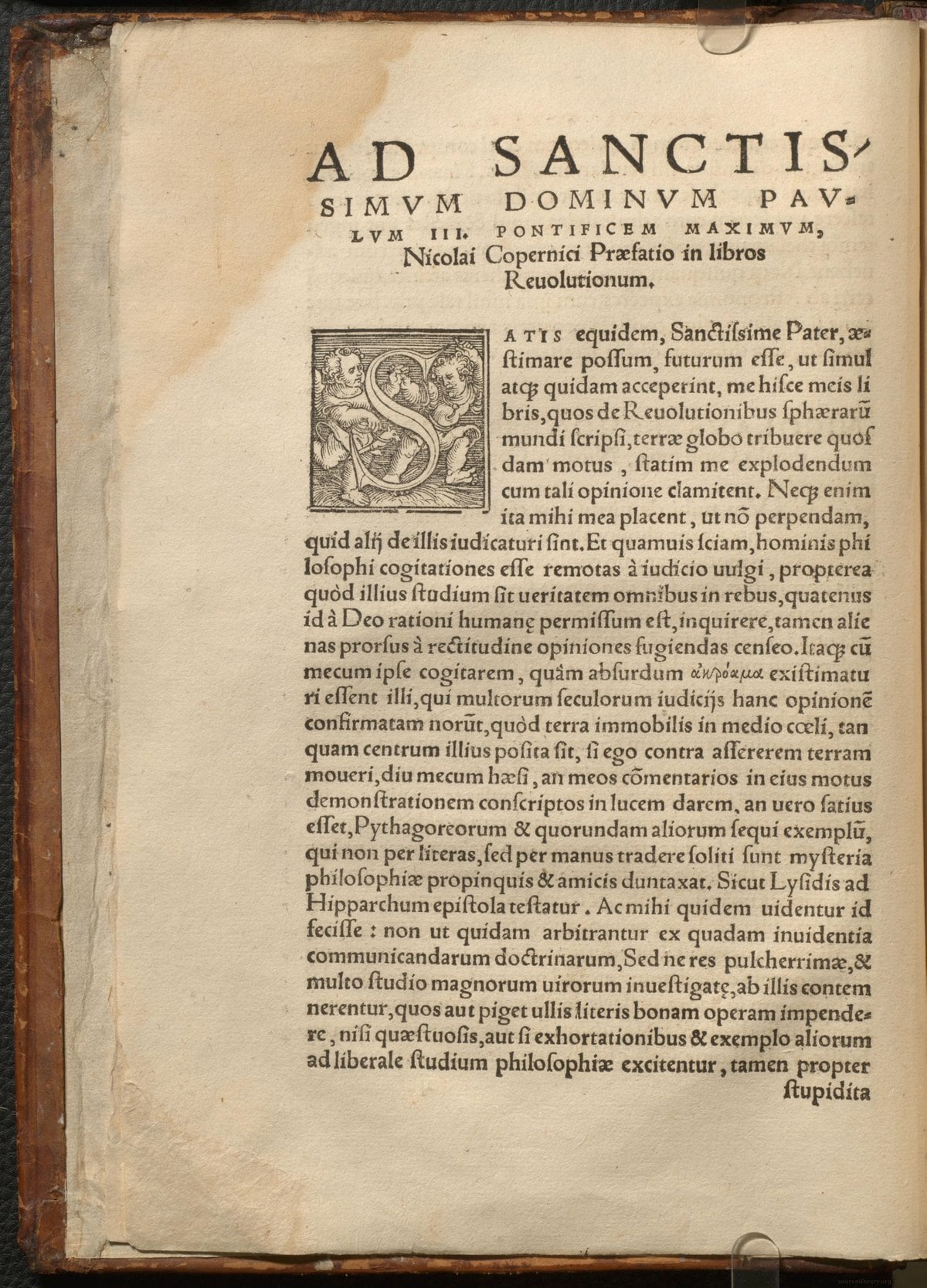
On the Revolutions of the Heavenly Spheres
Nicolaus Copernicus
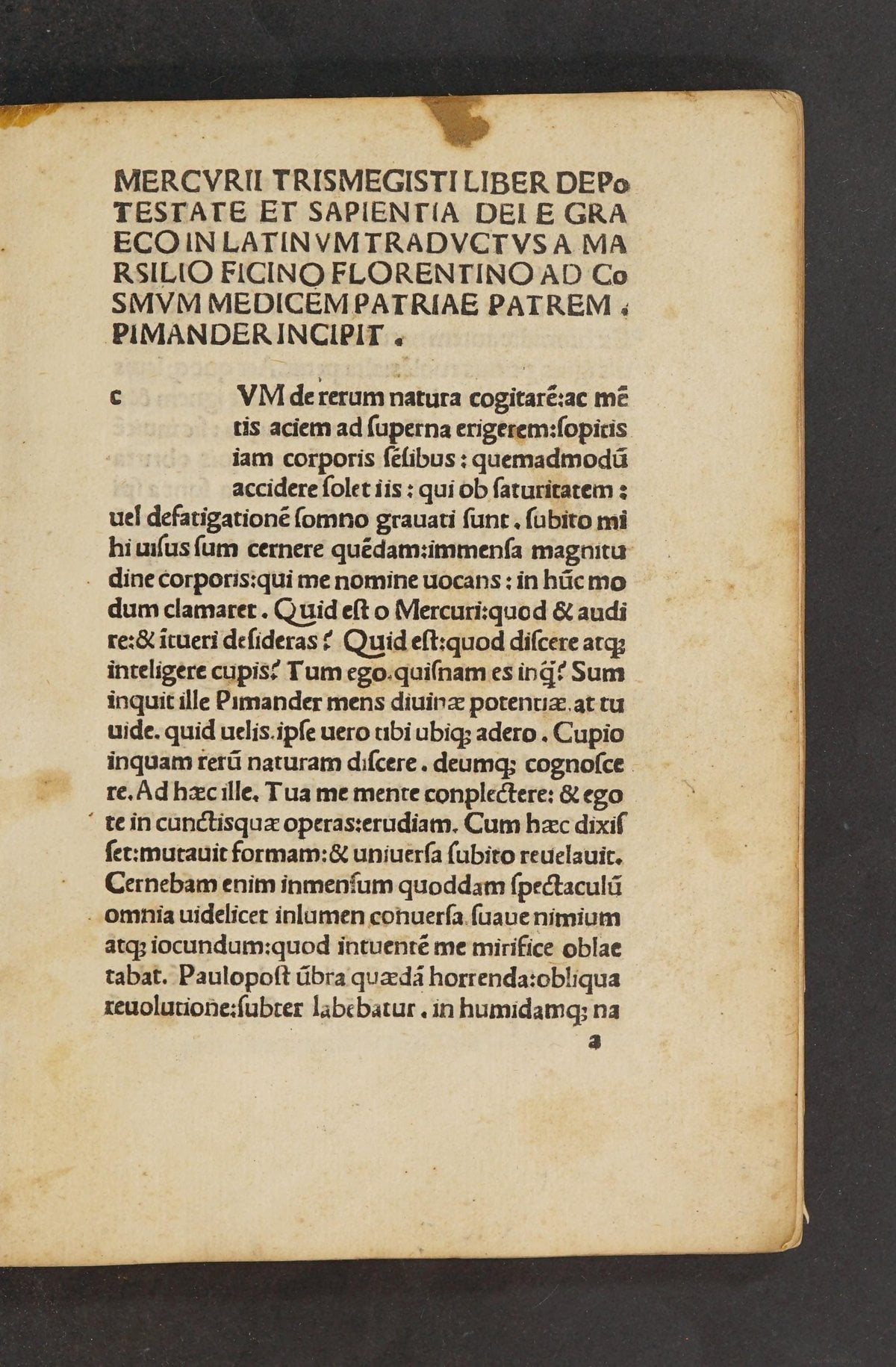
The Pimander of Hermes Trismegistus
Hermes Trismegistus; Ficino, Marsilio (translator)
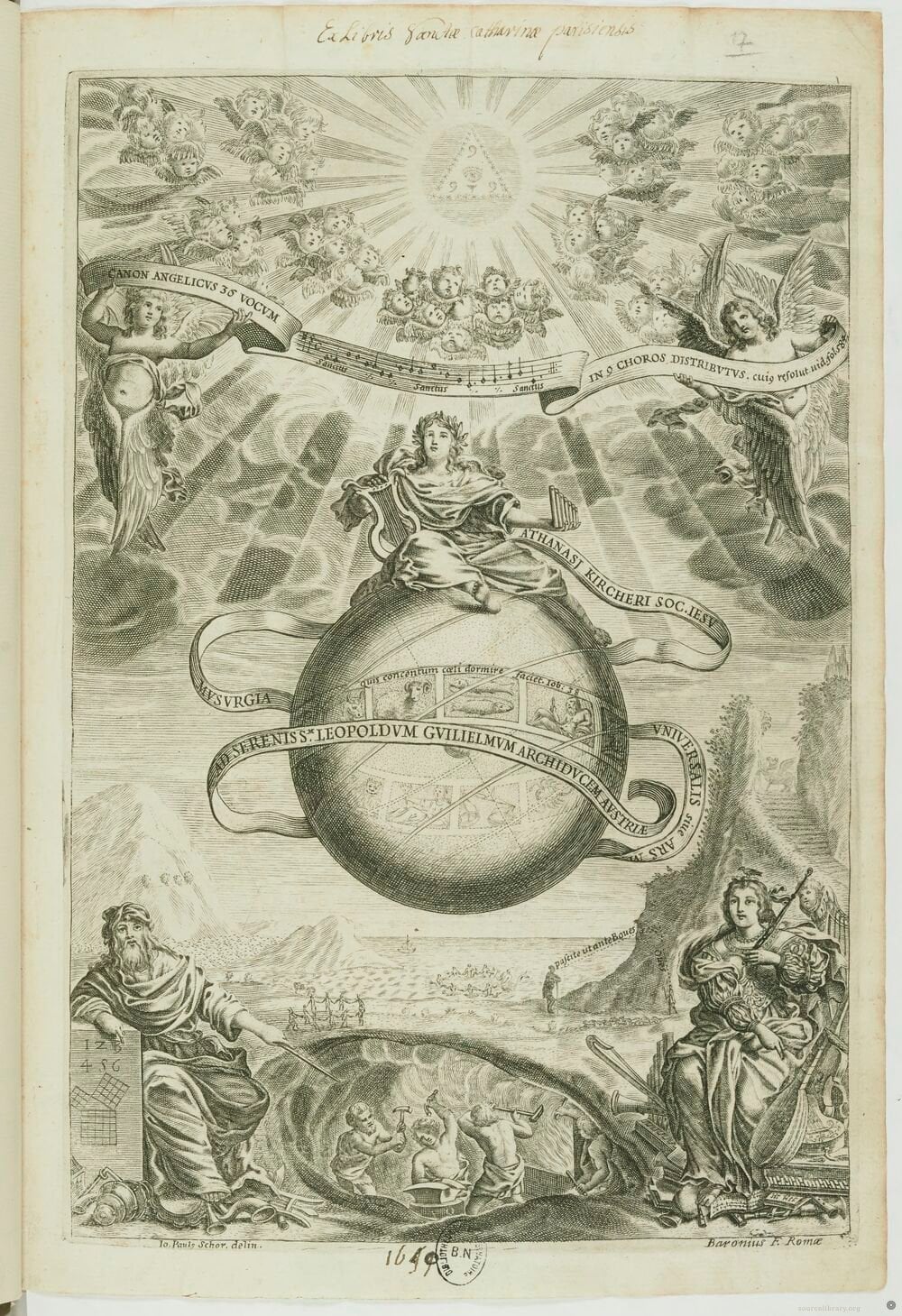
Universal Music-making (Musurgia Universalis), Volume I
Athanasius Kircher
Instruction in Measurement
Albrecht Dürer
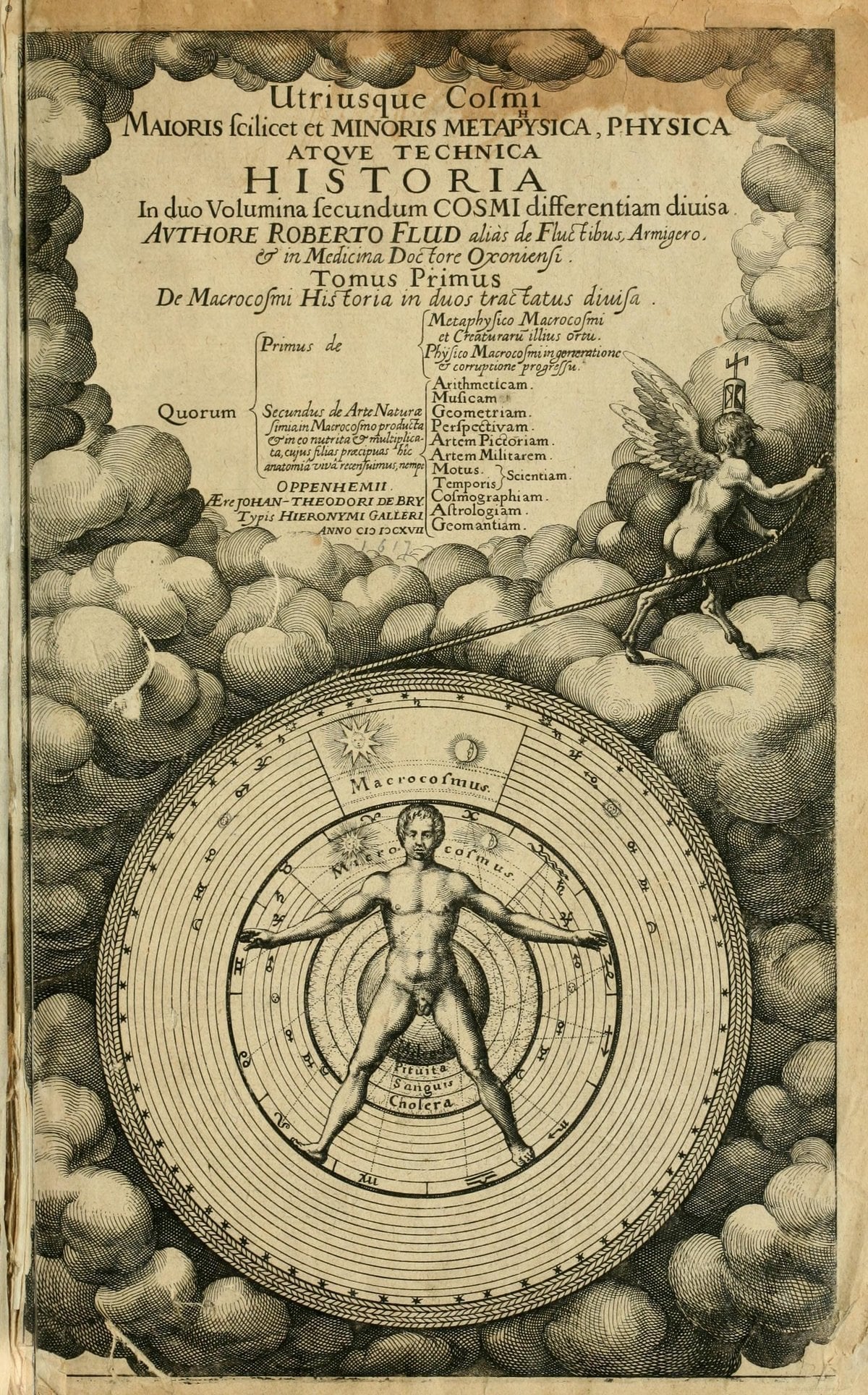
The History of the Two Worlds
Robert Fludd
Utriusque Cosmi Historia - Tomus Primus (De Macrocosmi)
Robert Fludd
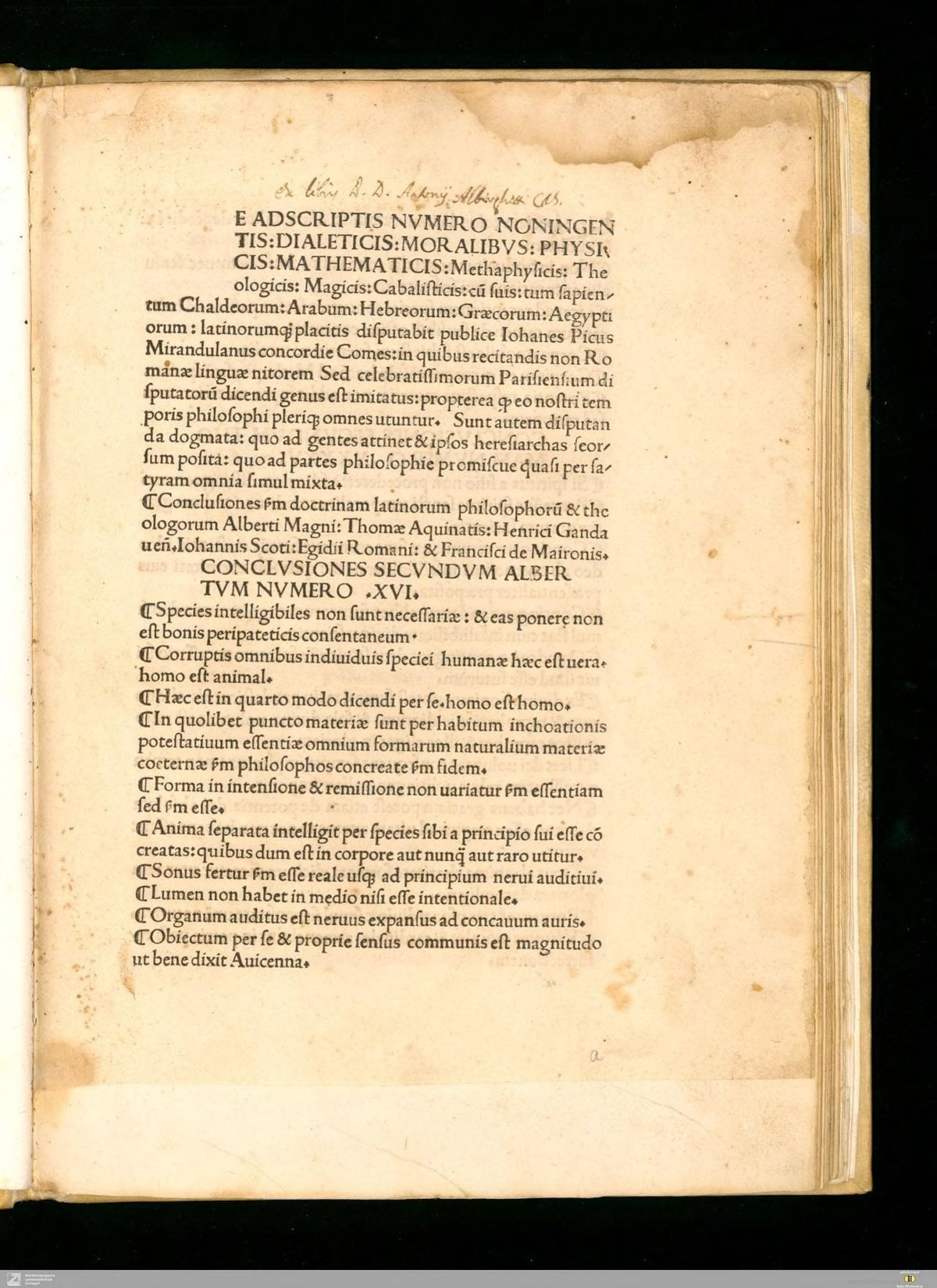
The 900 Theses
Pico della Mirandola, Giovanni (1463-1494)
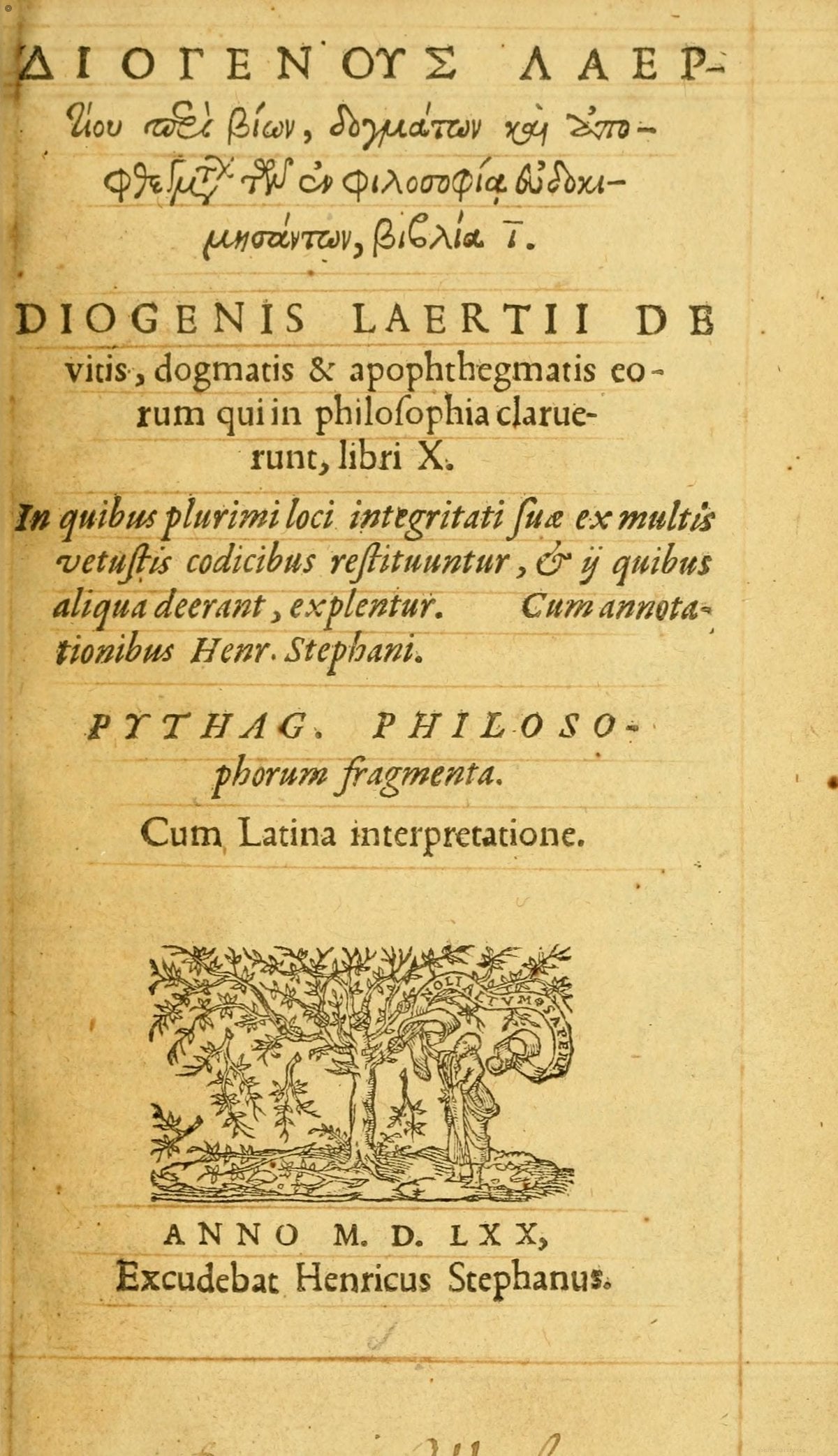
Lives and Opinions of Eminent Philosophers
Diogenes Laertius
On the Mysteries
Ficino
Corpus Hermeticum with Pneumatica and Ocellus Lucanus
Hermes Trismegistus (attrib.) | Hero of Alexandria
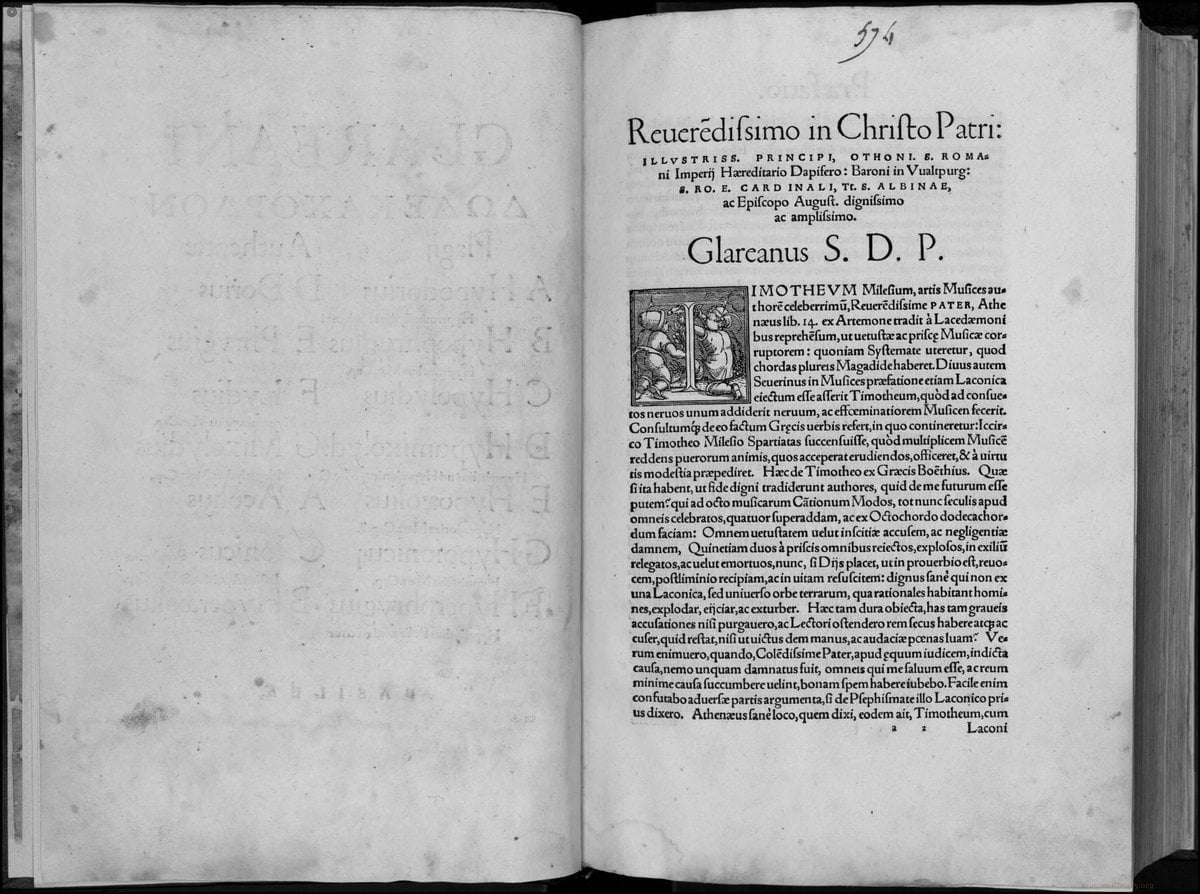
The Twelve-Stringed Lyre
Heinrich Glareanus
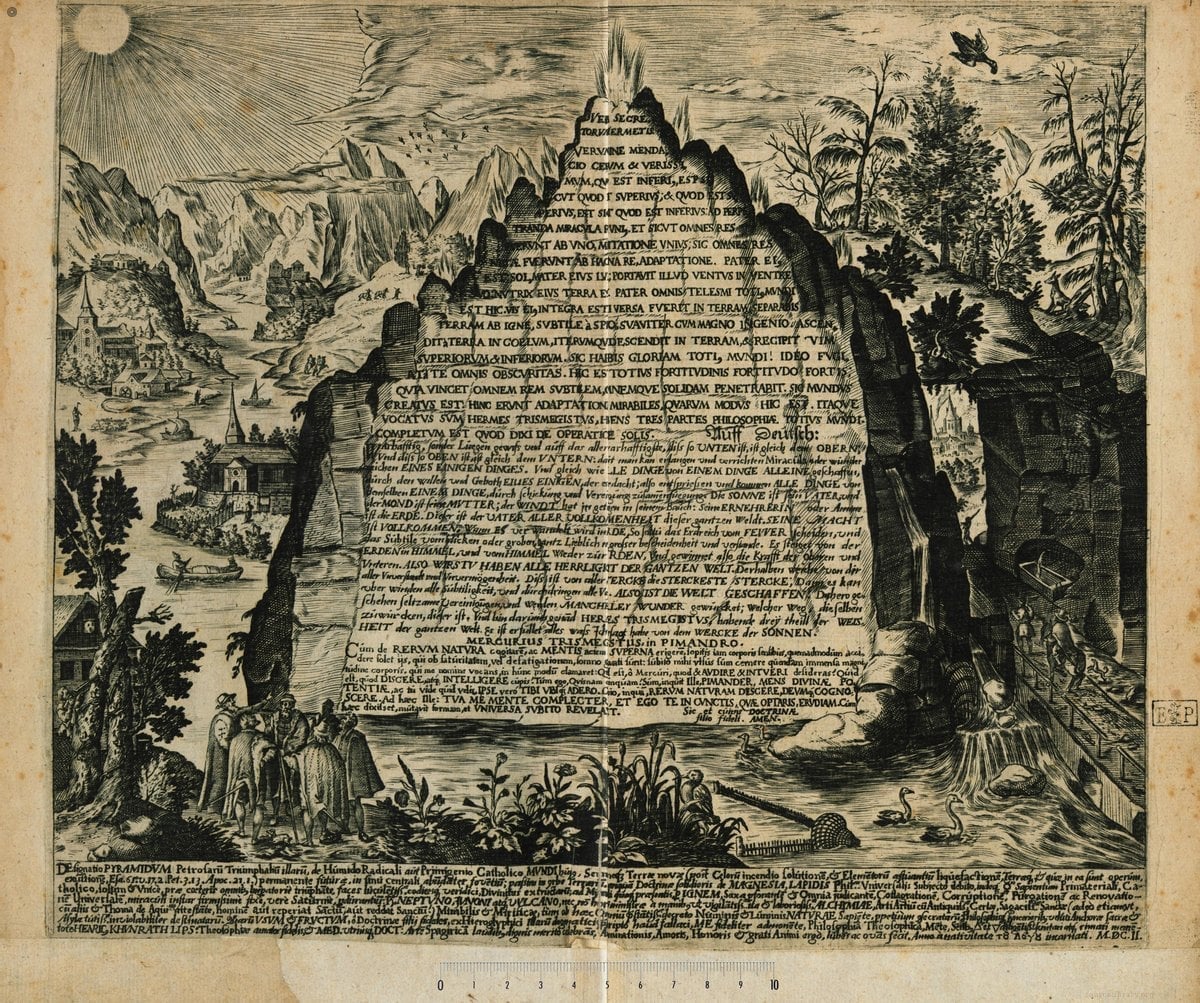
Amphitheater of Eternal Wisdom
Heinrich Khunrath

Three Books on Life
Ficino, Marsilio (1433-1499)
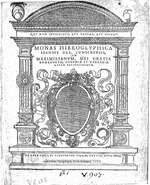
The Hieroglyphic Monad
John Dee