


Illustrations
Browse all500 images extracted

This intricate engraving illustrates a star-shaped fortress, a hallmark of early modern military architecture designed to eliminate blind spots and resist artillery. The scene captures the technical complexity and chaos of a siege, with cannons discharging smoke in the foreground and infantry units maneuvering outside the bastions, providing a vivid look at 17th-century 'Arte Militari'.

This detailed engraving depicts Robert Fludd (1574–1637), the prominent English Paracelsian physician and mystical philosopher. Fludd is shown in formal attire with a prominent ruff, holding a pair of gloves as a symbol of status, while his family coat of arms appears in the upper right. The portrait serves as an authoritative frontispiece to his medical and philosophical works, emphasizing his status as a learned doctor and gentleman.

This woodcut depicts the infant Christ triumphantly treading upon a dragon, symbolizing the victory of divine light over darkness and sin. The figure holds a cross-staff, reinforcing the redemptive nature of the scene, which is framed by scriptural references from Timothy and Ephesians. Such imagery was central to the mystical and alchemical traditions of the early 17th century, including those of the Rosicrucian order.

This formal photographic portrait depicts Arthur Edward Waite (1857–1942), the author of 'The Secret Tradition in Freemasonry' and a leading figure in the study of occultism. Captured in profile by the renowned London studio J. Russell & Sons, the image serves as the frontispiece to his comprehensive work, presenting the scholar in a dignified and intellectual light.

This intricate frontispiece from 1618 serves as a visual gateway to the 'Speculum Sophicum Rhodo-Stauroticum,' a key Rosicrucian text. It depicts the harmonious relationship between 'Physiologia' (the study of nature) and 'Theologia' (the study of the divine), framed by a wealth of alchemical and hermetic symbols that represent the seeker's journey toward enlightenment. The detailed engraving exemplifies the complex visual language used by early modern secret societies to convey their philosophical and spiritual doctrines.

A dramatic scene depicting a group of Arabian magicians renouncing their sorceries before a saintly figure, likely St. Dominic, who holds an open book of scripture. The magicians are shown in various states of emotional distress and prayerful submission, symbolizing the triumph of religious faith over occult practices. In the foreground, two dogs fight, possibly representing the base nature of the magic being cast aside.

This frontispiece portrait depicts Jacques de Molay (c. 1243–1314), the last Grand Master of the Knights Templar, who was executed in Paris. The engraving captures him in a moment of solemnity, wearing the order's characteristic mantle marked with a cross, reflecting the 19th-century romanticized interest in the history and downfall of the Templars.

An engraved portrait of Elias Ashmole (1617–1692), the celebrated English antiquary, politician, and student of alchemy. He is depicted as a classical bust resting upon a pedestal of books, signifying his vast learning and his role as a founder of the Ashmolean Museum. This image highlights his importance to the 'secret tradition' discussed in Waite's work.

This intricate engraving serves as the central visual argument for Robert Fludd's 'Philosophia Moysaica' (1638). It presents a complex cosmological diagram illustrating the relationship between the divine, the celestial, and the terrestrial realms through a series of interlocking circles and symbolic figures. Fludd, a prominent Hermetic philosopher and physician, used such imagery to synthesize biblical narrative with contemporary scientific and mystical thought, representing the unfolding of creation from the divine unity.
Visual Art
Browse all art →33 works of visual art in this collection
 object
Masonic Quart Bottle — Clasped Hands, Square & Compass
A. R. Samuels
Two mold-blown aquamarine glass bottles, one embossed with Masonic symbols including clasped hands and a square and compass, the other featuring a factory building and the name 'S. HUERSEY'.
 object
Masonic Tumbler
Bakewell, Page & Bakewell
This is a cut and engraved glass tumbler featuring an ornate calligraphic monogram within a decorative floral wreath.
 object
Masonic Medal
C. Foote
A Masonic silver jewel featuring a square and compass, the All-Seeing Eye, and engraved identification text.
 object
Masonic Lodge Ordenmeister Portrait Medal
C. Pfeuffer
A silver portrait medal depicting the profile of Johann Michael Palmie.
 object
Duke of Brunswick-Lüneburg Commemorative Medal with Masonic Motif
Christian Friedrich Krull
This gold medal depicts a left-facing profile portrait of Maximilian Julius Leopold, Duke of Brunswick-Lüneburg.
 object
Washington's Masonic Career
George Hampden Lovett
A bronze commemorative medal depicting the bust of George Washington surrounded by Masonic emblems.
 print
printMasonic Tribute to the Duchess of Leinster
H. Brocas
Two winged allegorical figures and a putto place a crown upon a monument dedicated to the Duchess of Leinster.
 object
Benjamin Franklin — Marble Bust
Jean-Antoine Houdon
A marble sculpture by Jean-Baptiste Carpeaux titled 'Ugolino and His Children', depicting the mythological/literary figure Ugolino della Gherardesca in a state of despair while surrounded by his dying children.
 photograph
Masonic Lodge and Church, Singapore
John Thomson
A photograph capturing the Masonic Lodge and St. Andrew's Cathedral in Singapore, viewed across a wide field.
 object
Masonic Flask — All-Seeing Eye and Square & Compass
Keene Marlboro Street Glassworks
A group of three glass flasks, the central one embossed with Masonic imagery including a square, compass, and an all-seeing eye.
 object
Masonic Centennial Memorial of Washington's Death
Robert Sneider
A profile portrait bust of George Washington in bronze, encircled by a laurel wreath and commemorative text.
 photograph
Carpenter with Compass, Square, and Hand Saw
Unknown
A studio portrait of a male carpenter posed with a handsaw, a square, and a compass.
 print
printElevation of Solomon's Temple — Nicholas of Lyra
Unknown
A schematic architectural cross-section depicting the elevation of Solomon’s Temple as interpreted by Nicholas of Lyra.
 print
printGeheime Figuren der Rosenkreuzer — Secret Rosicrucian Figures (I)
Unknown
A theological and metaphysical diagram comparing the nature of God (left) and the nature of Man (right) through a series of geometric symbols.
 print
printGeheime Figuren der Rosenkreuzer — Secret Rosicrucian Figures (II)
Unknown
This is a manuscript title page featuring intricate calligraphy that outlines the tripartite division of knowledge into Physics, Metaphysics, and Hyperphysics.
From the Invisible Rosicrucian College to the Enlightenment's Illuminati
In 1617, Friedrich Grick claimed the Rosicrucian Brotherhood possessed an 'Art of all arts' that valued a healthy life far above the transmutation of gold.
This collection traces the evolution of European secret societies from the 'Rosicrucian Furor' of the early 17th century to the political intrigues of the 18th-century Illuminati. It begins with the 'invisible college' envisioned by [Andreae, Johann Valentin] and Michael Maier, whose Atalanta Fleeing sought to bypass the physical senses to reach the intellect through a synthesis of music, emblems, and alchemy. These early thinkers proposed a 'General Reformation of the Whole Wide World,' blending mystical theology with the emerging natural sciences.
As the 1700s progressed, these hermetic impulses solidified into the structured lodges of Freemasonry and the radical cells of the Illuminati. While Robert Fludd mapped the harmony of the universe in his History of the Macrocosm and Microcosm, later figures like [Zwack, Franz Xaver von] published the Original Writings of the Order of the Illuminati, documenting a shift from spiritual alchemy to social engineering. This library preserves the internal manuals, defensive apologies, and public exposures that defined these orders during their most influential periods.

The Rosicrucian Dawn
1614-1625The early 1600s saw a flood of manifestos promising a new age of knowledge and spiritual brotherhood.
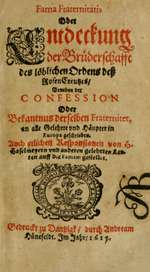
The Fame of the Brotherhood
Johann Valentin Andreae (attr.), 1614
The foundational document that sparked the Rosicrucian movement by announcing the life of Father C.R.C.
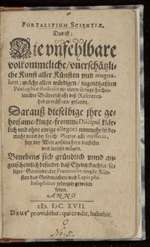
Fortress of Science
attr. Grick, Friedrich, 1617First Translation
Friedrich Grick's defense of the order, framing their secrets as a 'Fortress of Science' against ignorance.
Echo of the Rosicrucian Colloquy
Hilarionus, Benedictus, 1622First Translation
A rare early dialogue attempting to reconcile Rosicrucian claims with traditional Christian teaching.
Mapping the Divine Harmony
1617-1650Philosophers like Robert Fludd sought to prove that secret societies held the keys to the mathematical and musical structure of the universe.
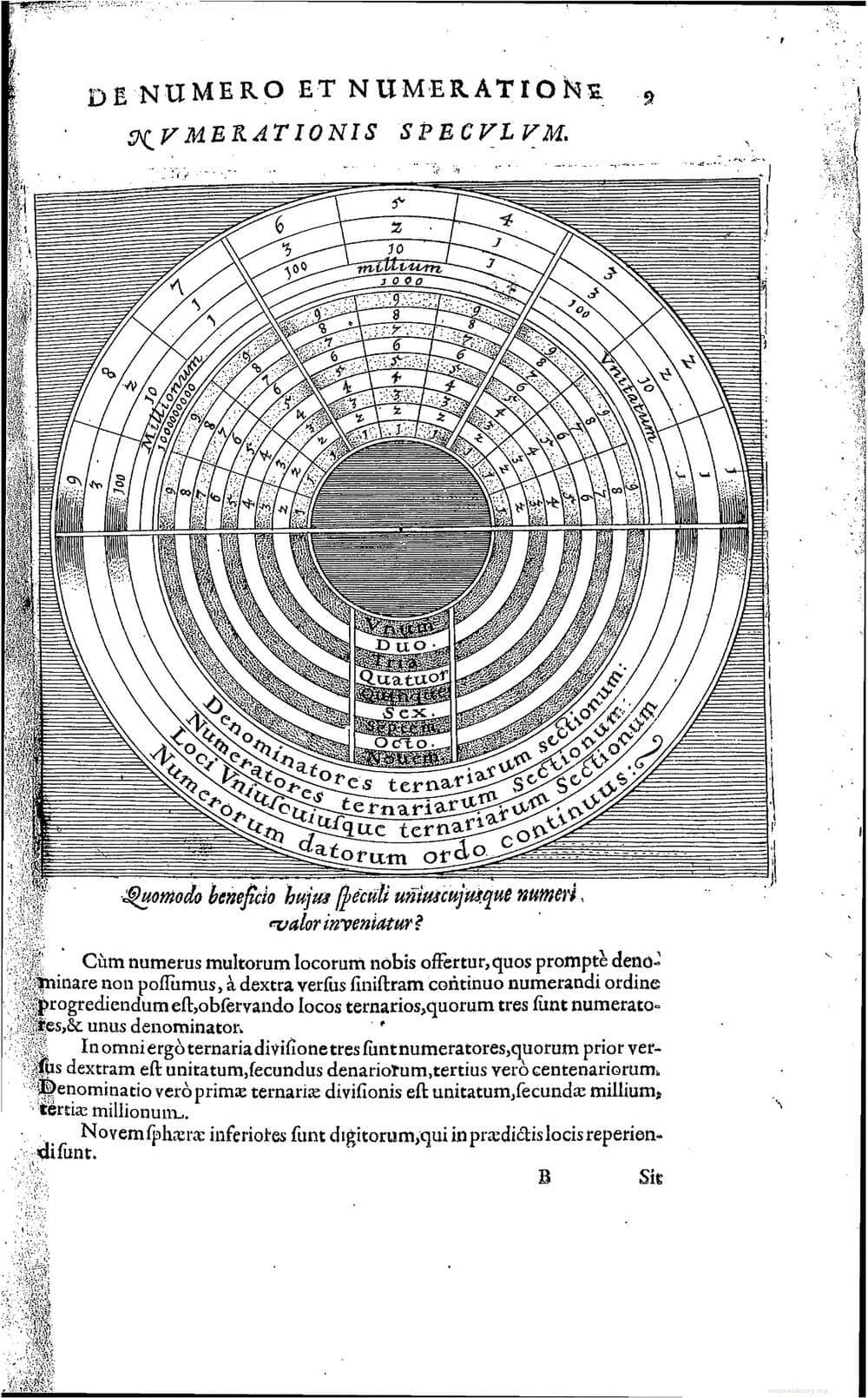
History of the Macrocosm and Microcosm
Robert Fludd, 1617First Complete Translation
A massive visual project that translates the 'Monochord of the World' into a literal diagram of cosmic intervals.
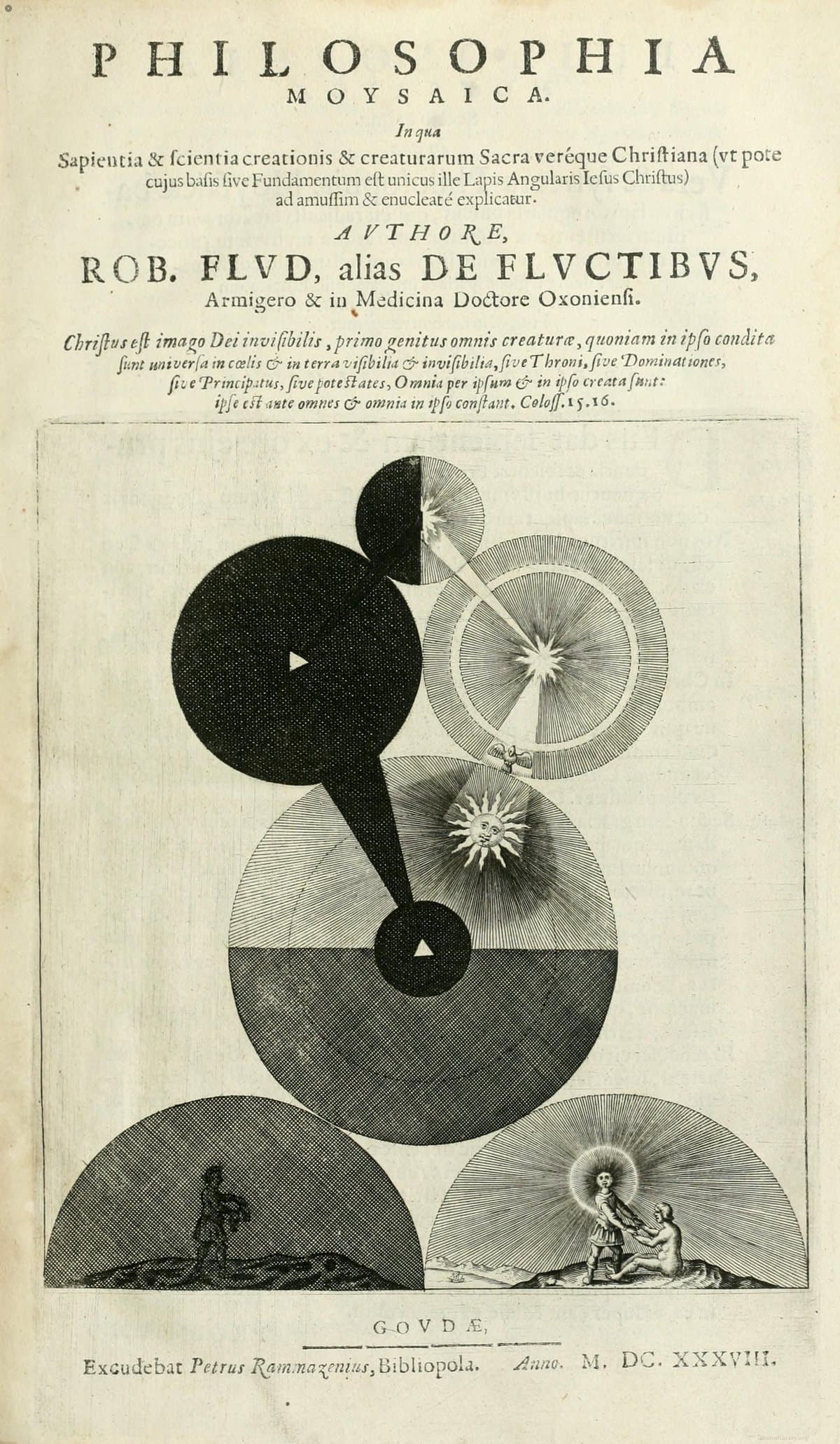
Mosaic Philosophy
Robert Fludd, 1638
Fludd's attempt to derive all physics and metaphysics from the biblical book of Genesis.
Lumen de Lumine, or A New Magicall Light
Thomas Vaughan, 1651
Thomas Vaughan's 'New Magical Light,' which brought Rosicrucian-style alchemy into the English Civil War era.
Masonry and the High Degrees
1717-1790In the 18th century, the 'Invisible College' became the visible Lodge, developing complex hierarchies and rituals.
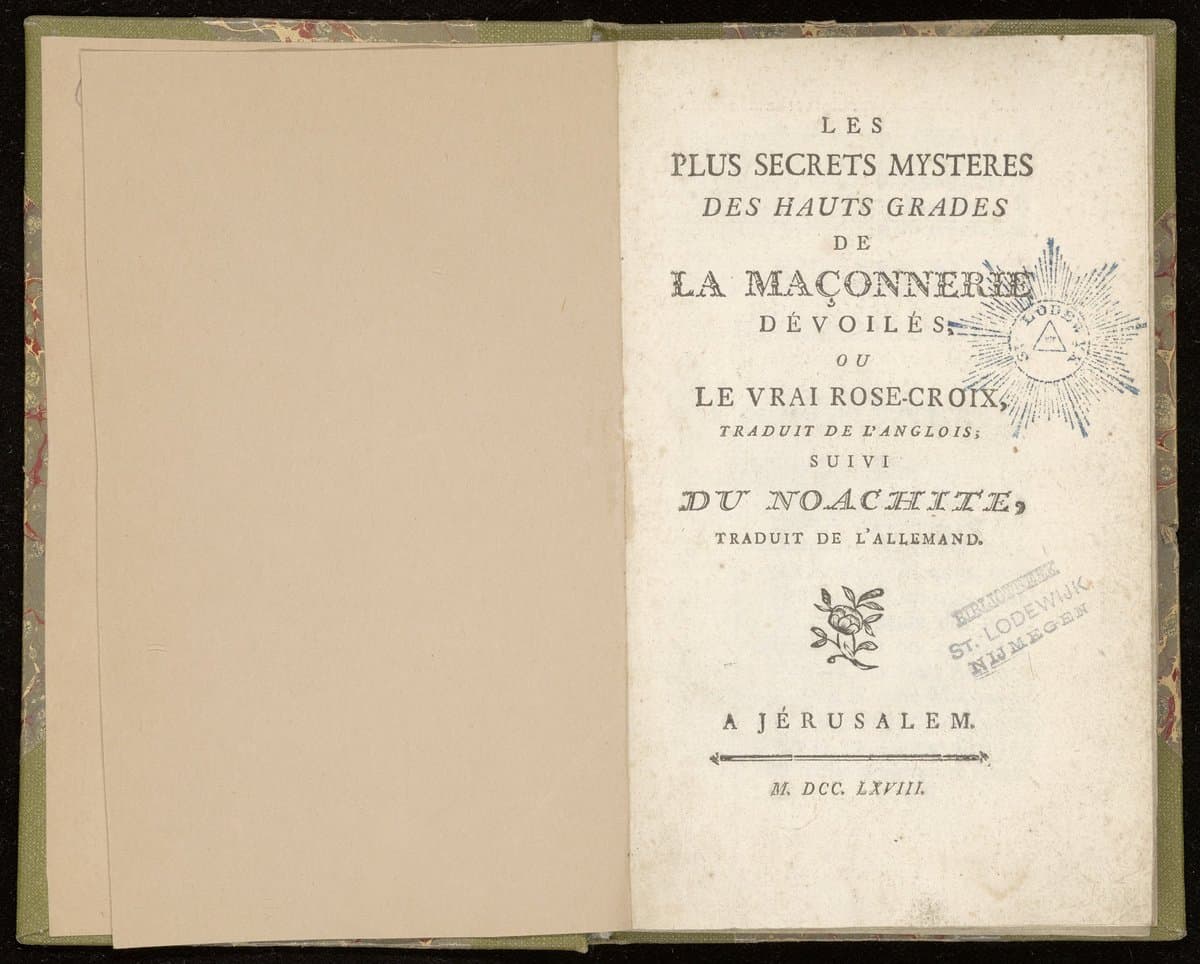
The Most Secret Mysteries of the High Degrees of Freemasonry Unveiled
attr. Köppen, Karl Friedrich, 1768First Translation
Karl Friedrich Köppen's controversial unveiling of the inner workings of high-degree masonry.
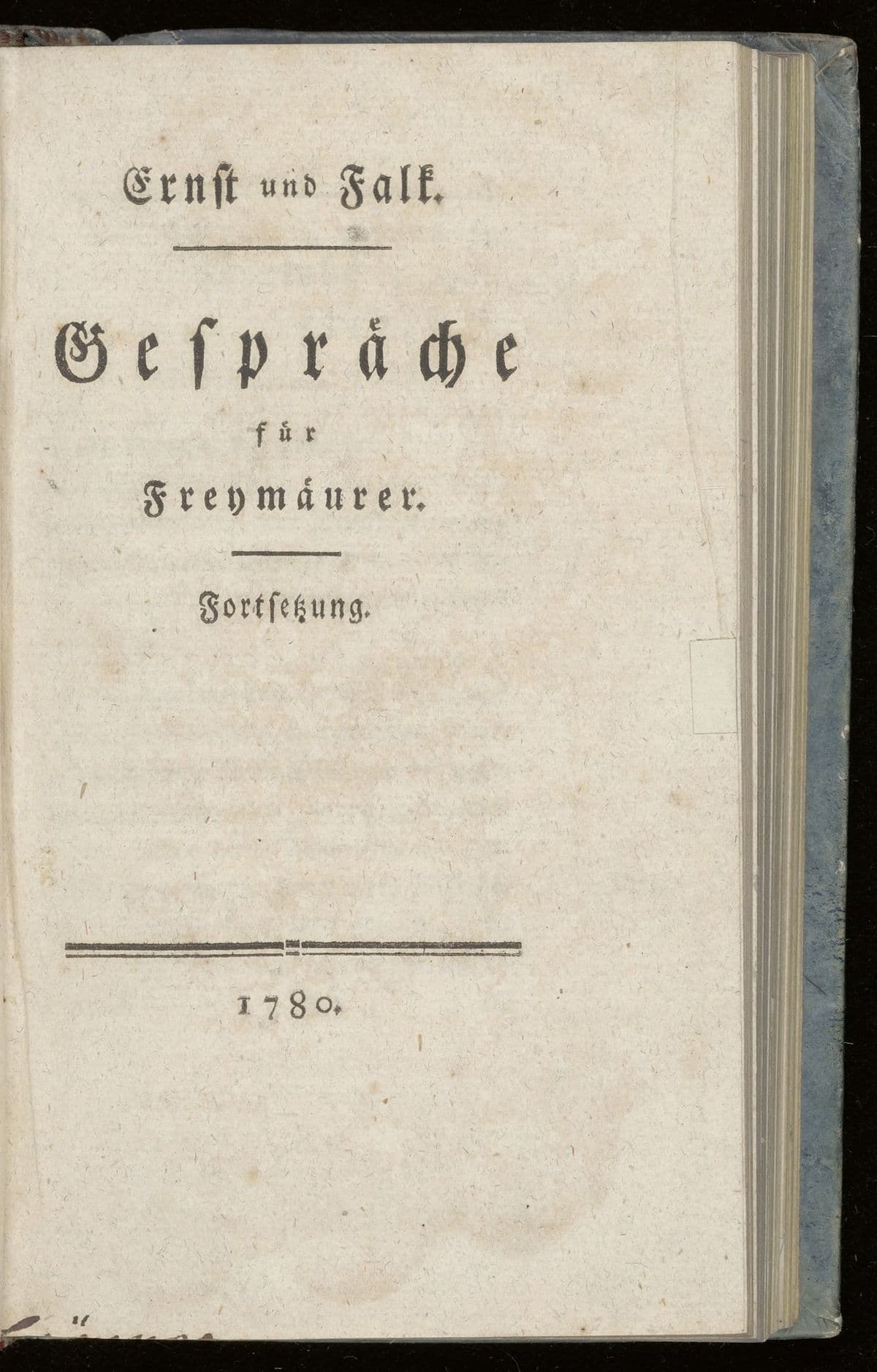
Ernst and Falk: Dialogues for Freemasons, Continuation
attr. Lessing, Gotthold Ephraim, 1780
Gotthold Ephraim Lessing's philosophical dialogues exploring the true purpose of the Masonic order.
Masonic Rules according to the Resolutions of the Convent of Wilhelmsbad
attr. Beyerle, Jean Pierre Louis de, 1785First from German
The official rules established at the Convent of Wilhelmsbad, a turning point for European Freemasonry.
The Radical Enlightenment
1776-1800Secret societies shifted from spiritual transformation to political revolution, culminating in the Illuminati.
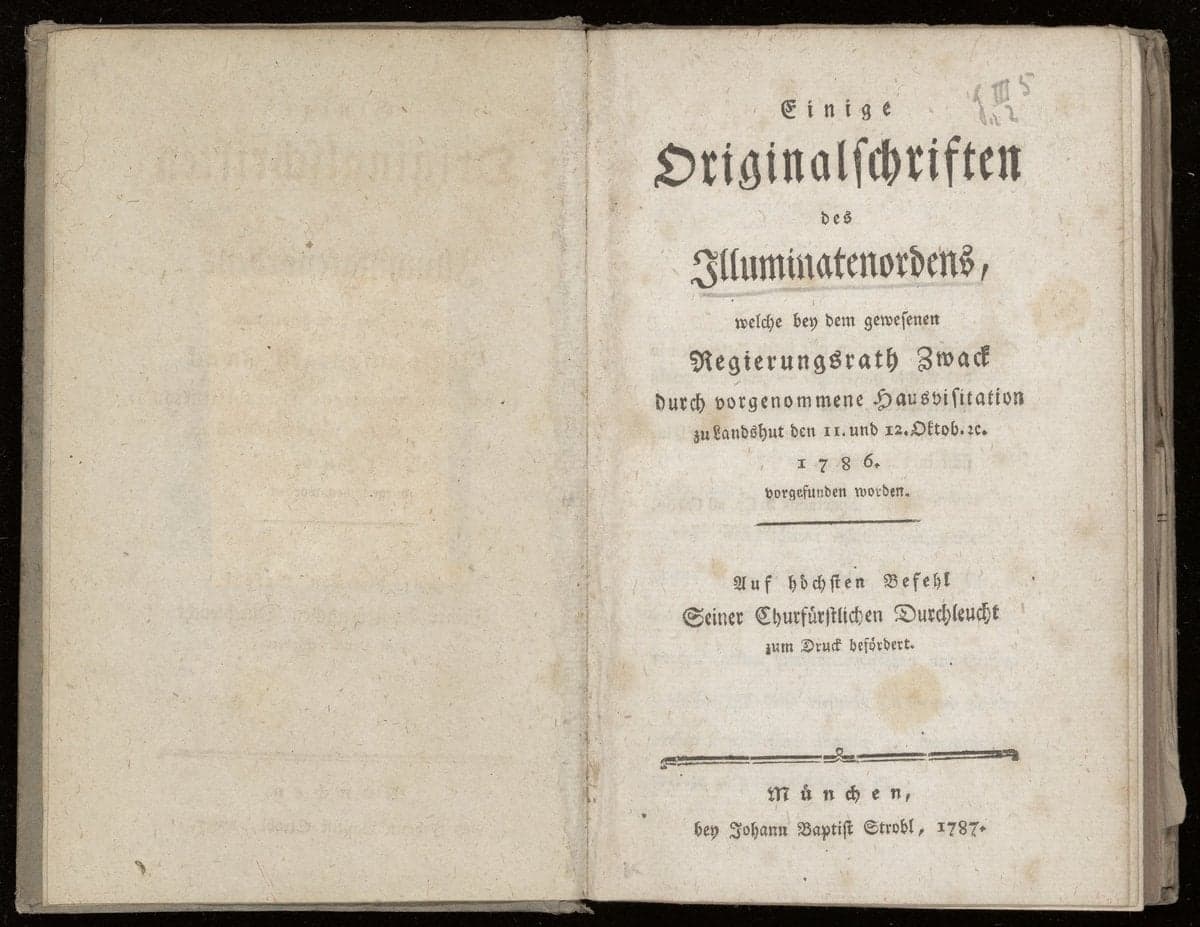
Original Writings of the Order of the Illuminati
attr. Zwack, Franz Xaver von, 1787First Complete Translation
The actual seized internal documents of the Bavarian Illuminati, revealing their plan for social reform.
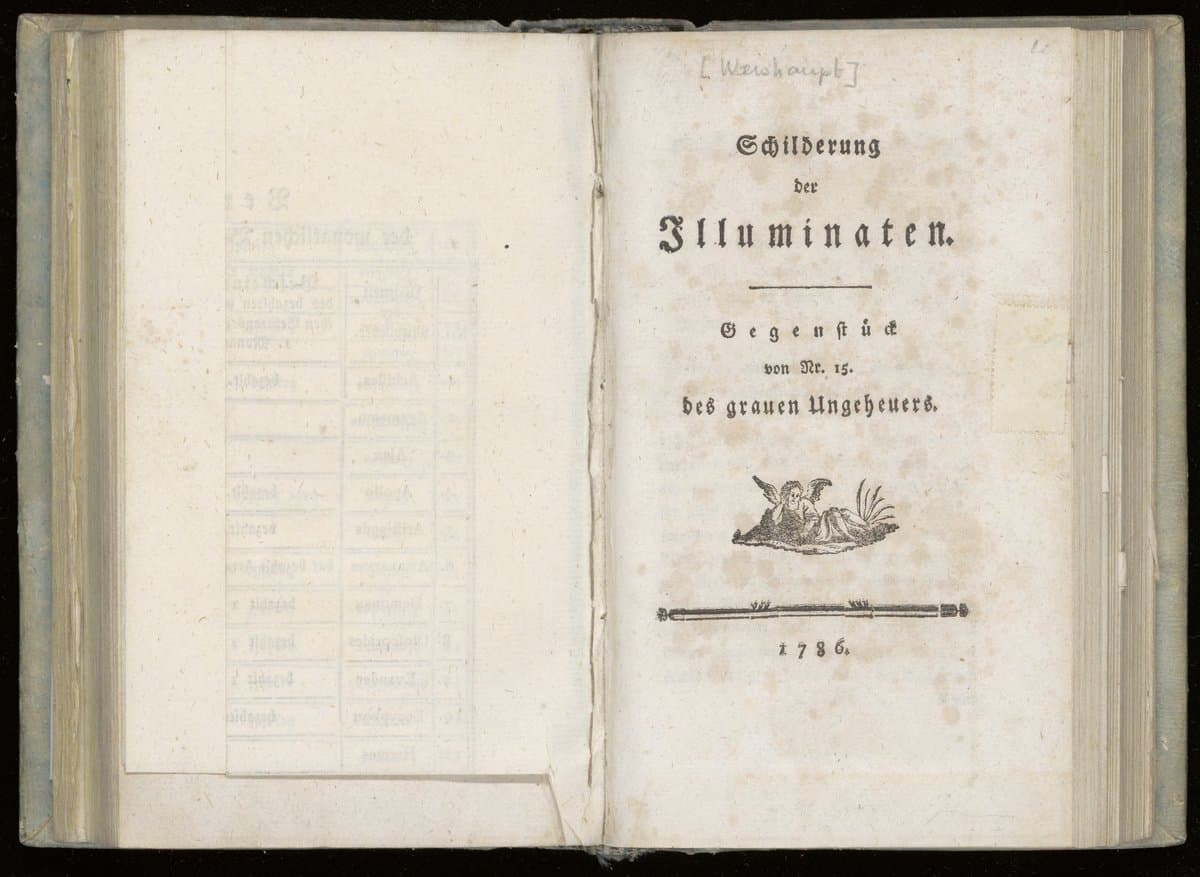
Description of the Illuminati
attr. Weishaupt, Adam, 1786First Translation
Adam Weishaupt's own description of the system he created to infiltrate and influence existing power structures.
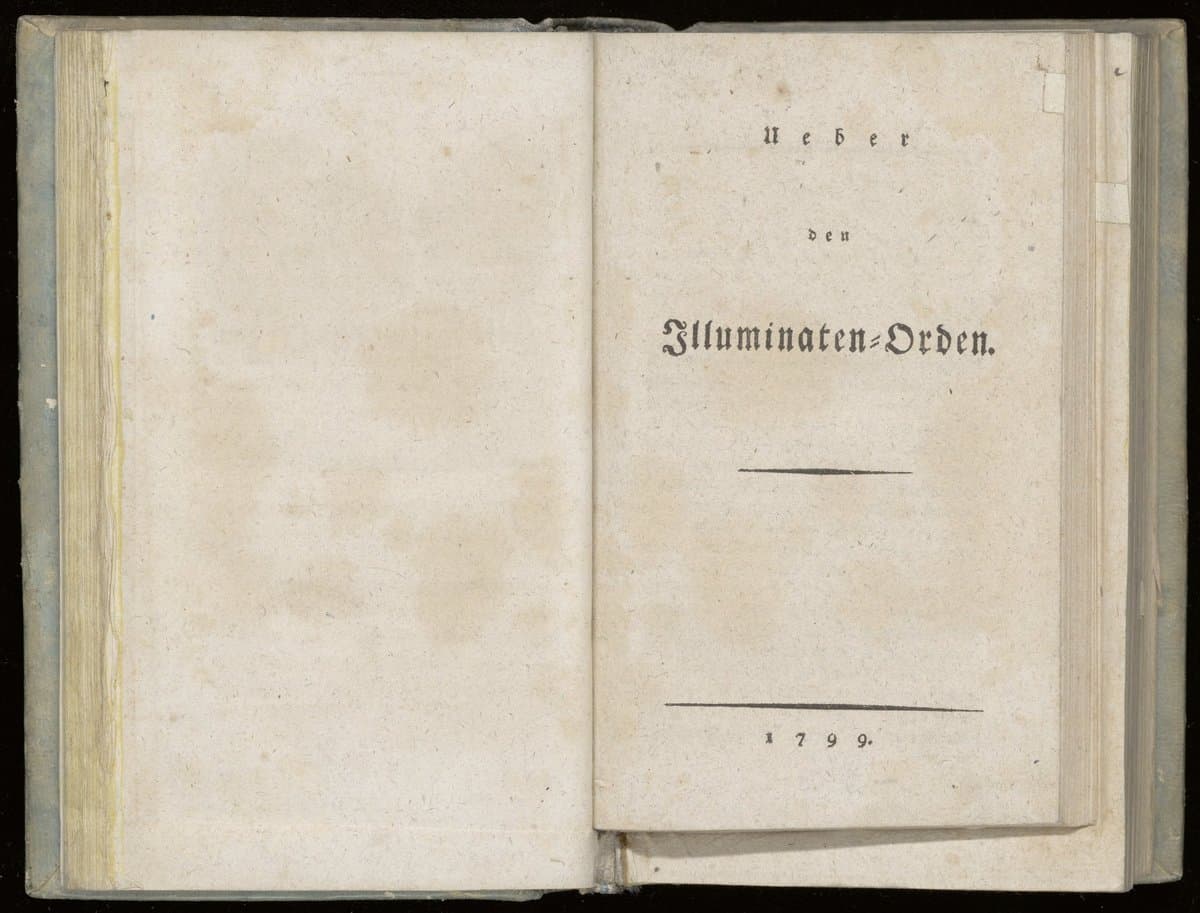
On the Order of the Illuminati
Unknown, 1799First Translation
A late-century summary of the fears surrounding the order's influence on the French Revolution.
“Because these secrets are so subtle, majestic, sacred, rare, and hidden, they must be grasped by the intellect before they are perceived by the senses.”
Key Figures
Robert Fludd
1574–1637
An English physician and polymath who defended the Rosicrucians through massive, beautifully illustrated volumes on cosmic harmony.
History of the Macrocosm and Microcosm[Grick, Friedrich]
fl. 1617
Writing under the pseudonym Irenaeus Agnostus, he was one of the most prolific and mysterious defenders of the Rosicrucian movement.
Fortress of Science[Andreae, Johann Valentin]
1586–1654
A Lutheran theologian widely believed to be the primary author of the original Rosicrucian manifestos.
The Fame of the BrotherhoodWhere to Start
The Visual Seeker
For those who want to see the philosophy before they read it.
- 1Atalanta Fleeing
Examine Maier's emblems, where every image is a chemical and musical puzzle.
- 2History of the Macrocosm and Microcosm
Study Fludd's diagrams of the human soul as a reflection of the entire cosmos.
The Historian of Conspiracy
Follow the paper trail of the world's most famous secret order.
- 1Original Writings of the Order of the Illuminati
Read the actual letters of the Illuminati to see their organizational structure.
- 2


Related Collections
All Books
Browse Full Catalog→670 books in this collection
Introduction to Primitive Cabalistic Science
Anonymous
Atalanta Fleeing
Michael Maier
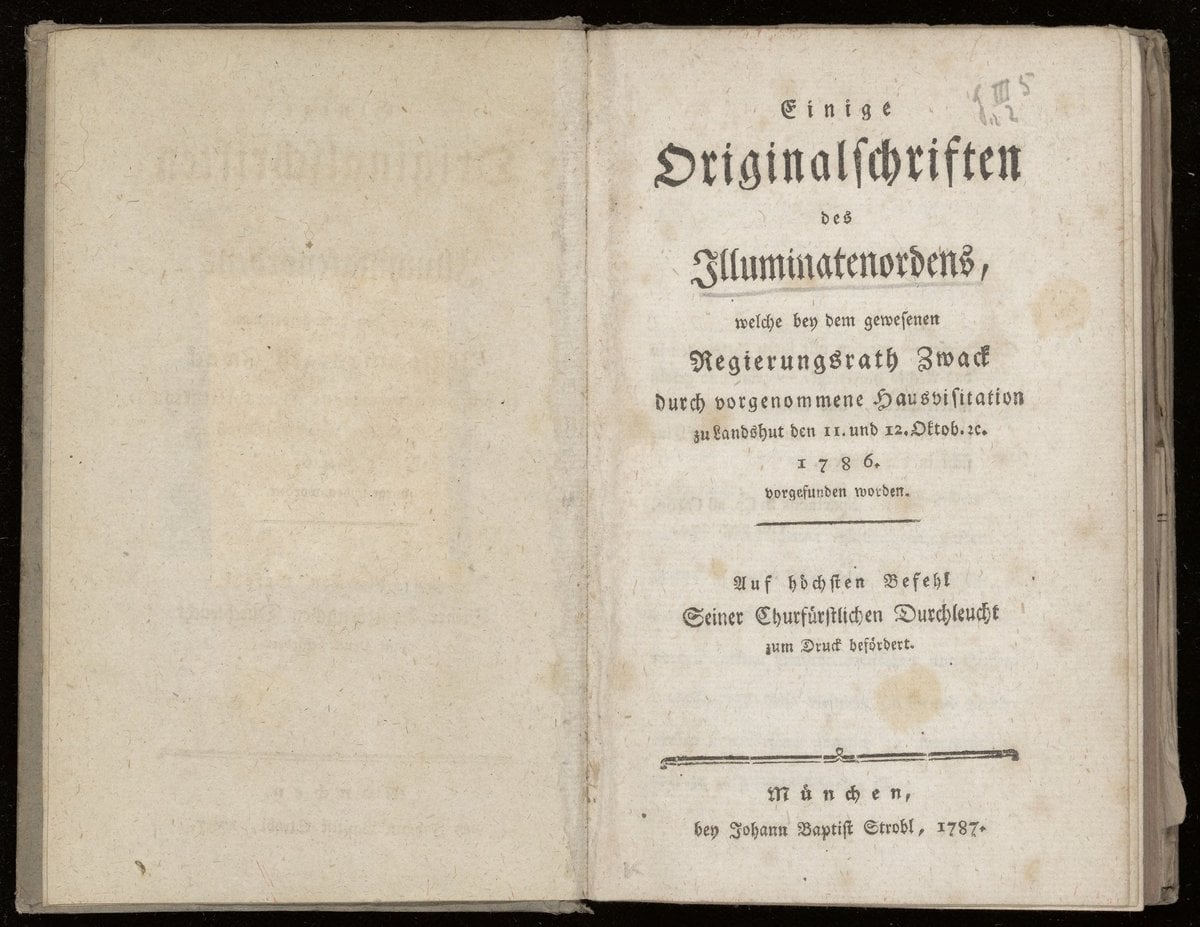
Original Writings of the Order of the Illuminati
attr. Zwack, Franz Xaver von
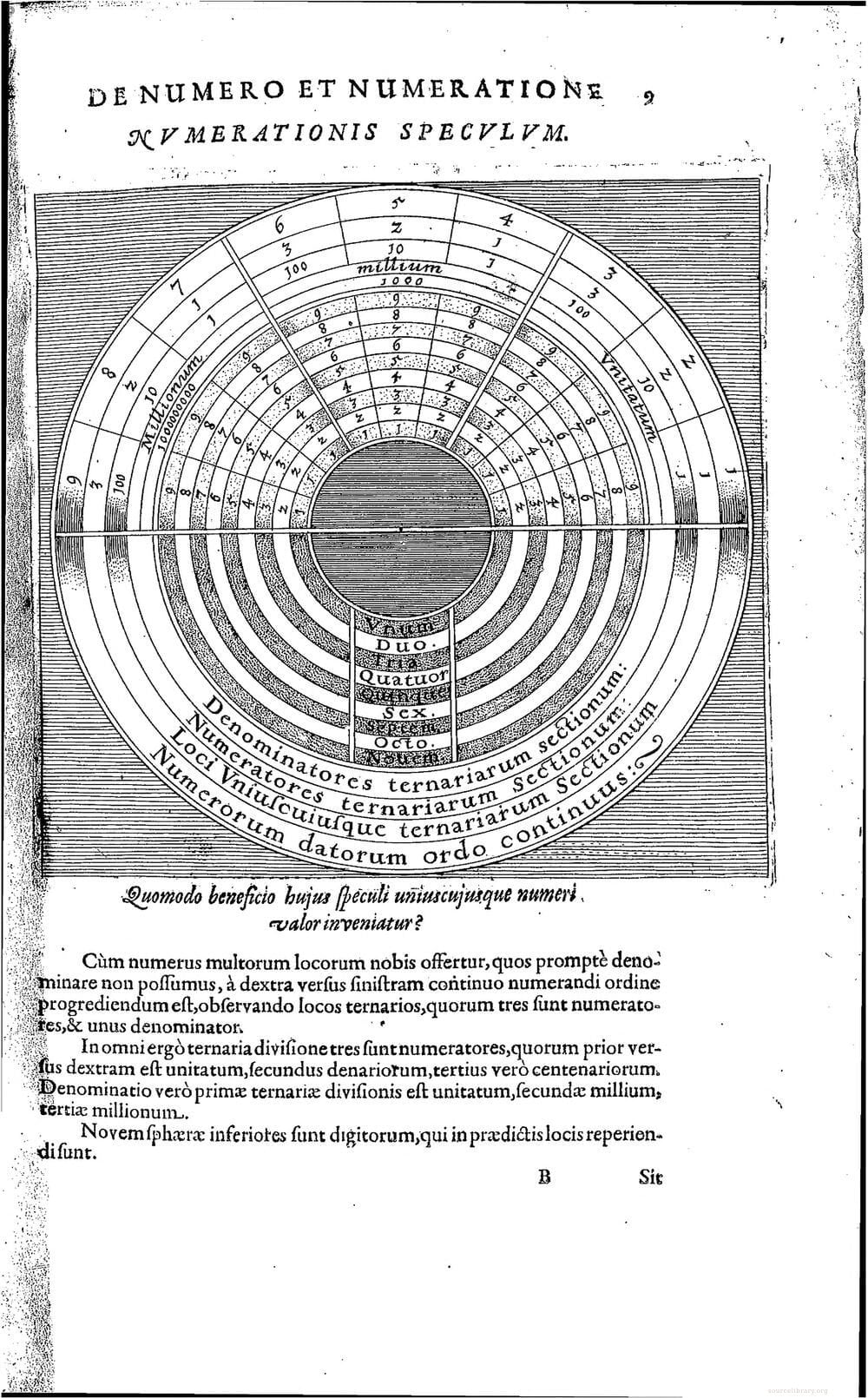
History of the Macrocosm and Microcosm
Robert Fludd
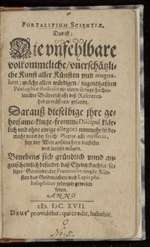
Fortress of Science
attr. Grick, Friedrich
Echo of the Rosicrucian Colloquy
Hilarionus, Benedictus
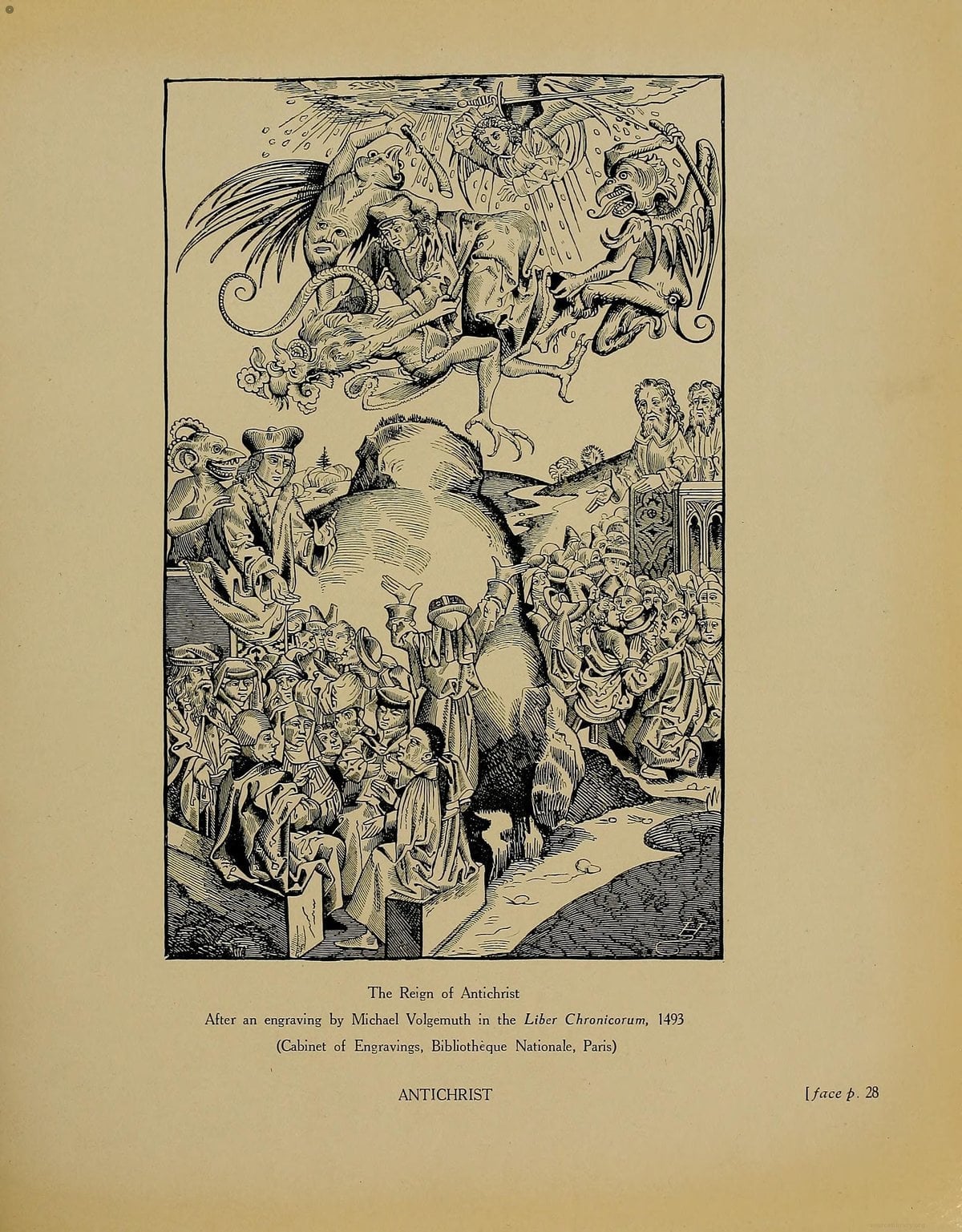
An Encyclopaedia of Occultism
Lewis Spence
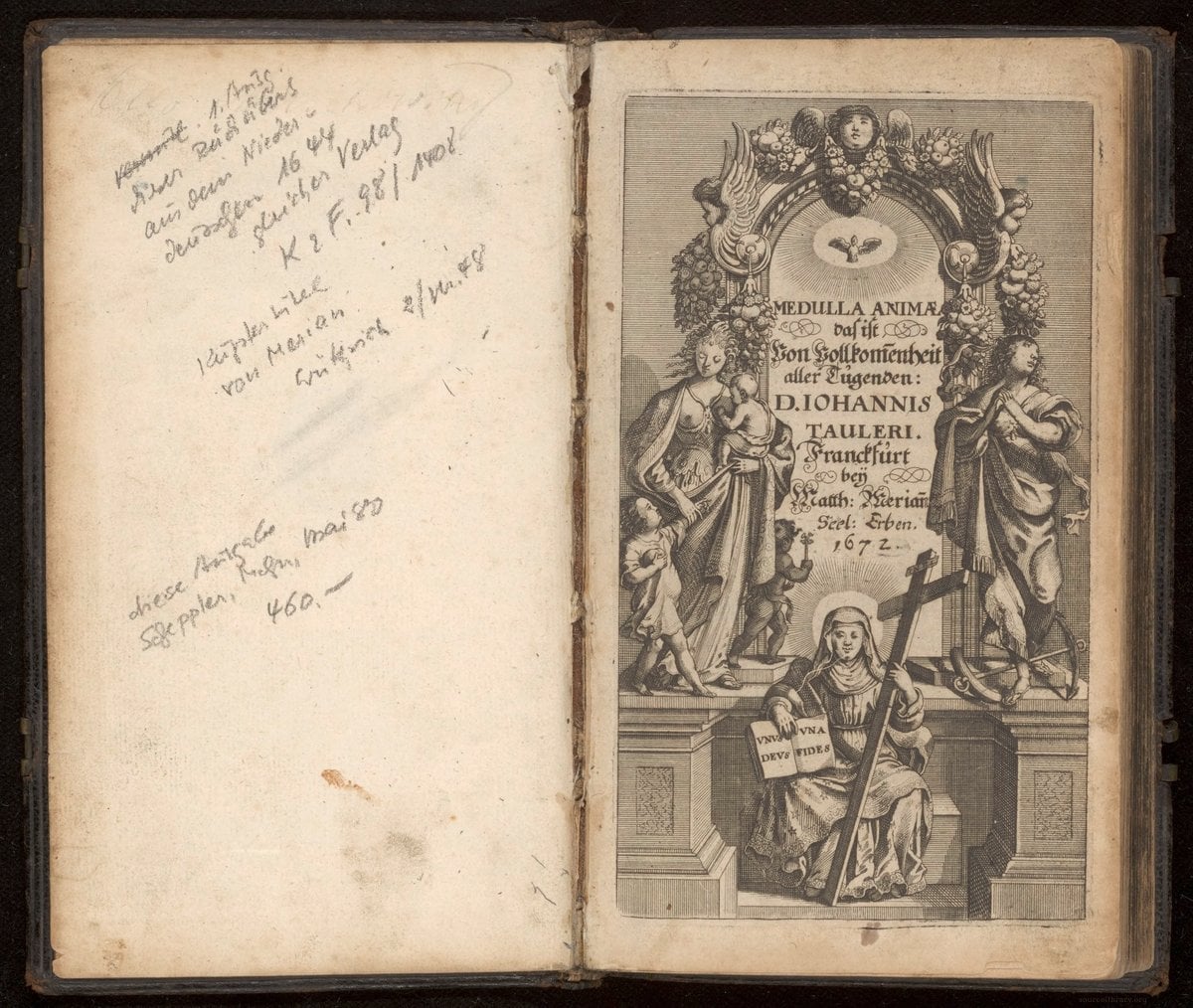
The Marrow of the Soul
Tauler, Johannes
Lives of Alchemystical Philosophers
Arthur Edward Waite
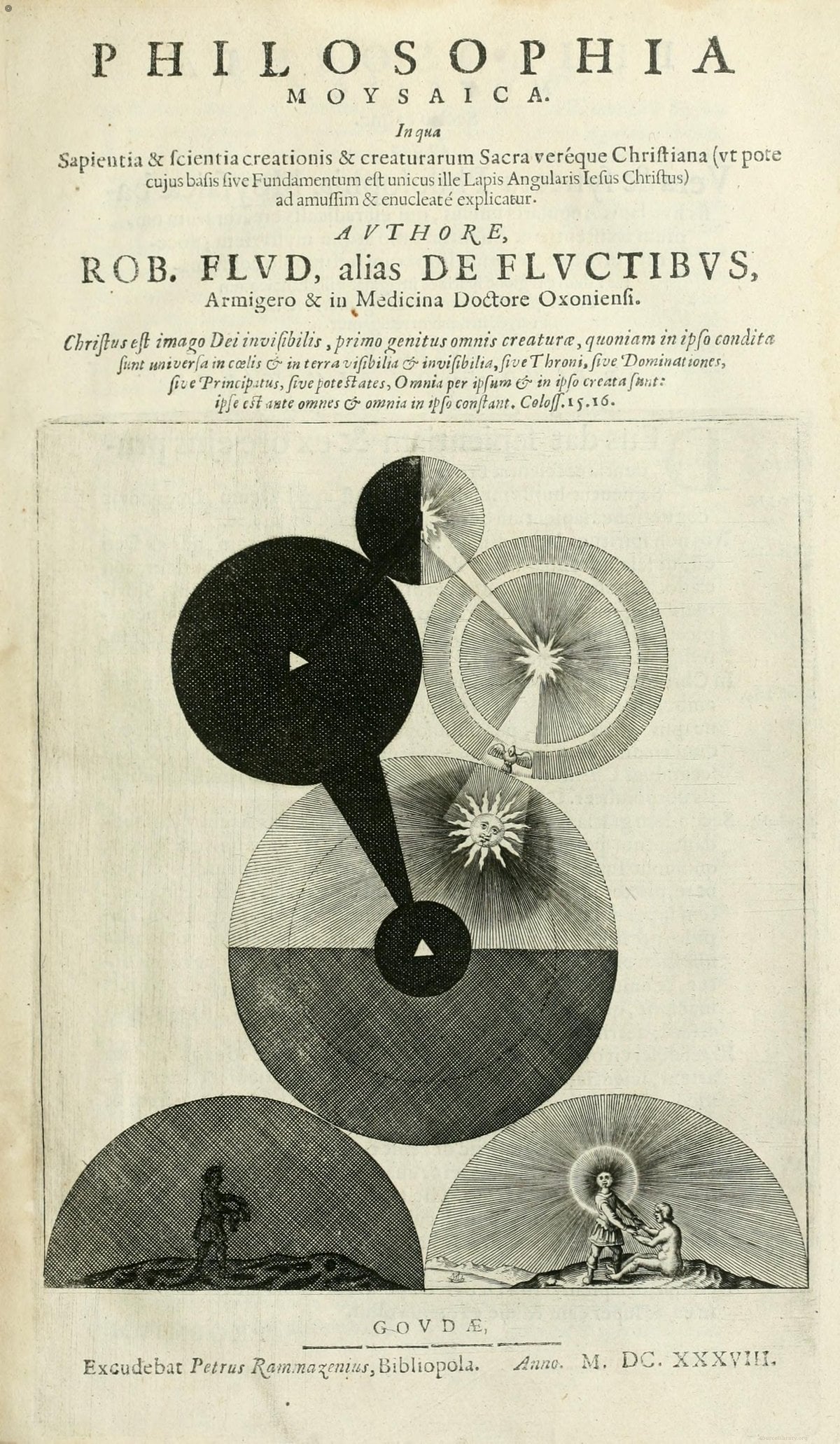
Mosaic Philosophy
Robert Fludd

Stonehenge
Stukeley, William
High and Deep Grounds of the Threefold Life of Man
Boehme, Jacob

Atalanta Fleeing
Maier, Michael
The Fame of the Brotherhood
Johann Valentin Andreae (attr.)