


Illustrations
Browse all371 images extracted
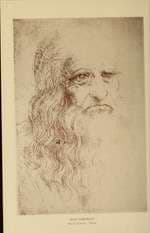
This plate presents a fine reproduction of the celebrated self-portrait of Leonardo da Vinci, originally drawn in red chalk around 1512. The image captures the quintessential image of the Renaissance polymath, characterized by his long, flowing beard and a penetrating, contemplative gaze that has come to symbolize the depth of human genius and wisdom.
This illustration is a reproduction of one of Leonardo da Vinci's 'Deluge' drawings, part of his extensive studies on the movement of water and air. The intricate, swirling lines represent the chaotic power of a cataclysmic storm, demonstrating Leonardo's scientific curiosity and artistic skill in depicting complex natural forces. The presence of his characteristic mirror writing at the top highlights the investigative nature of his notebooks.
This exquisite portrait depicts a woman with her head tilted in a graceful, contemplative pose, framed by an extraordinarily intricate arrangement of braids and coils. The presence of mirror-written text to the left identifies this as a reproduction of a master study by Leonardo da Vinci, reflecting his dual interests in the beauty of the human form and the complex mathematical patterns found in nature.
This plate presents a series of meticulous anatomical studies focusing on the musculature of the neck, shoulders, and upper torso. Attributed to the tradition of Leonardo da Vinci, these drawings exemplify the Renaissance fusion of art and science, where rigorous observation of the human form was used to achieve greater naturalism in artistic representation. The various views provide a comprehensive understanding of how muscles interact and change shape with movement.
This plate reproduces a study by Leonardo da Vinci investigating the mathematical proportions of the human face. By overlaying a profile with a geometric grid, Leonardo sought to define the ideal relationships between facial features, a hallmark of his scientific approach to art. The presence of his characteristic mirror-image handwriting further identifies this as a page from his extensive anatomical notebooks.
This page features detailed anatomical studies of human limbs, showcasing Leonardo da Vinci's meticulous observation of muscles and nerves. Accompanied by his famous mirror writing, these drawings represent a landmark in the history of scientific illustration and the study of human biology.

This plate reproduces Leonardo da Vinci's pioneering anatomical study of a human fetus in the womb. Through detailed observation and innovative cross-sectional views, Leonardo sought to understand the mechanics of life and development, bridging the gap between art and scientific inquiry.

This intricate anatomical study depicts the internal structures of the human torso, with a focus on the heart and major blood vessels. Attributed to Leonardo da Vinci, the work exemplifies the Renaissance fusion of art and science, utilizing meticulous observation to map the complexities of the human body. The accompanying mirror-written notes are characteristic of Leonardo's private journals.

This anatomical study by Leonardo da Vinci depicts the hind leg of a horse, meticulously measured and analyzed through geometric lines. It reflects his deep interest in the mechanics of animal movement and his belief in the mathematical underpinnings of nature.
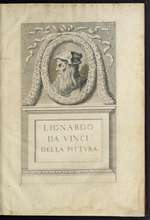
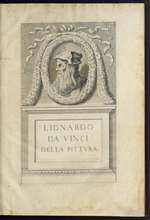
Begin with the Trattato della pittura (1651 Editio Princeps), Leonardo’s celebrated treatise on painting — the only work published in a systematic form, covering light, shadow, color, perspective, and the science of seeing. This is the essential starting point.
The original notebooks reveal Leonardo’s mind at work. The Codex Arundel is the largest and most wide-ranging — 545 pages spanning optics, mechanics, geometry, and architecture, written in his characteristic mirror script. The three Codex Forster volumes (Codex Forster I, Codex Forster II, Codex Forster III) are pocket-sized notebooks covering hydraulics, geometry, and household inventories. The Codex on the Flight of Birds is a focused study of avian mechanics and the possibility of human flight — short, vivid, and prophetic.
The Windsor Castle drawings form the core of Leonardo’s anatomical legacy. The Royal Collection holds hundreds of sheets, here organized by subject: the human body (Notes et dessins sur le corps humain), postures and movement (Notes et dessins sur les attitudes de l'homme), the heart (Notes et dessins sur le coeur et sa constitution anatomique), nerves and vessels (Croquis et dessins de nerfs et vaisseaux), thorax and abdomen (Notes et dessins sur le thorax et l'abdomen), generation and internal functions (Notes et dessins sur la generation et le mecanisme des fonctions intimes), physiognomy (Notes et croquis sur la physiognomonie), and studies of heads (Esquisses et etudes de tetes). Alongside these sit the horse anatomy volumes (Notes et croquis sur l'anatomie du cheval, Vol. 1 and Notes et croquis sur l'anatomie du cheval, Vol. 2) — preparatory studies for the great Sforza equestrian monument. Natural philosophy appears in studies of the atmosphere (Etudes et dessins sur l'atmosphere), canals and hydraulics (Etudes et dessins sur les canaux), geometry (Notes et croquis de geometrie), botany (Croquis et dessins de botanique), architecture (Notes et croquis: architecture civile, militaire et navale), and emblems and rebuses (Croquis et dessins de devises et rebus).
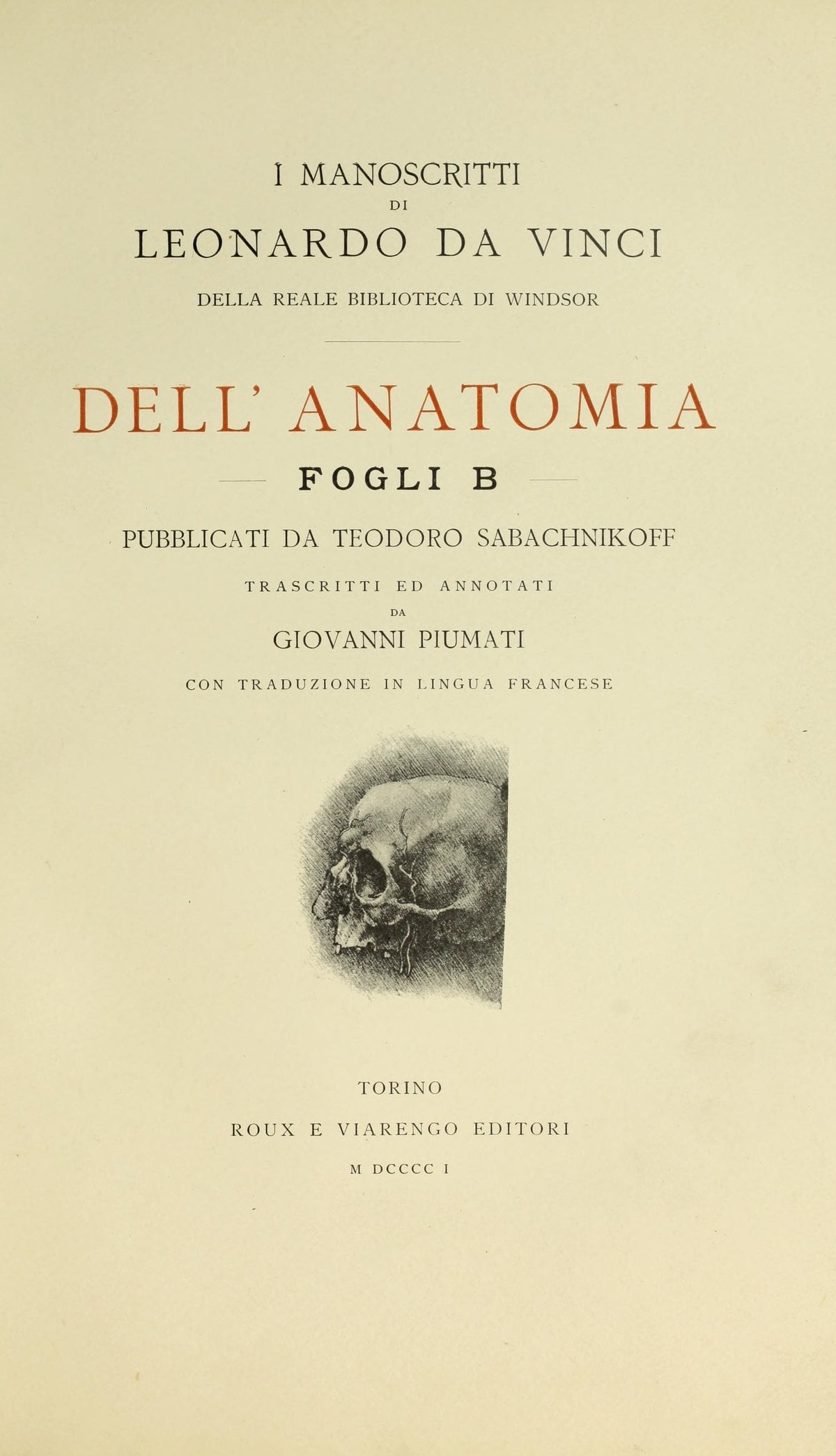
Two major scholarly editions make the manuscripts accessible. I manoscritti di Leonardo da Vinci (Sabachnikoff & Piumati, 1898) and the companion Dell’anatomia, fogli A present Leonardo’s Italian text with scholarly apparatus. Del moto e misura dell'acqua collects his writings on water and hydraulics. The Ravaisson-Mollien series (Les Manuscrits Vol. I, Les manuscrits Vol. 2, Les manuscrits Vol. 6) reproduces the Paris manuscripts with French transcriptions.
For English readers, The Notebooks of Leonardo da Vinci (Richter, 1883) remains the standard compilation — a comprehensive selection with parallel Italian and English text across 1,272 pages.
Essential Reading
The foundational texts of this tradition
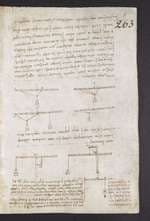
Notebook on Mechanics and Natural Philosophy
Leonardo da Vinci, 1478
The Codex Arundel offers a profound glimpse into Leonardo's polymathic mind, seamlessly integrating his investigations into mechanics, engineering, and natural philosophy with his artistic vision. It showcases his relentless curiosity and the interconnectedness of his diverse intellectual pursuits.
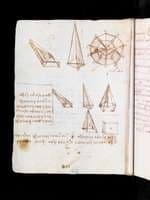
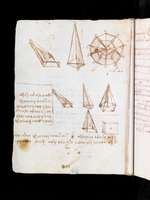
Forster Notebook I
Leonardo da Vinci, 1487
This essential notebook provides deep insight into Leonardo's scientific methodology, particularly his detailed studies on the mechanics of flight, gravity, and forces, underpinned by his belief in the mathematical laws governing the physical world. It exemplifies his rigorous empirical approach to understanding nature.
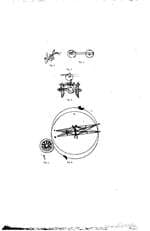
Codex on the Flight of Birds
Leonardo da Vinci, 1893
A seminal work in the history of science, this codex documents Leonardo's groundbreaking investigations into avian flight, applying mechanical principles to understand and conceptualize human flight centuries before its realization. It showcases his visionary engineering and observational genius.
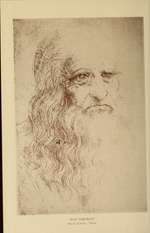
The Notebooks of Leonardo da Vinci
Leonardo da Vinci (ed. Jean Paul Richter), 1883
This comprehensive compilation by Jean Paul Richter is a landmark scholarly edition, providing an invaluable, organized overview of Leonardo's vast and diverse intellectual output across art, science, and philosophy. It serves as an essential entry point to his collected genius.
Important Works
Significant texts that deepen understanding
The Manuscripts of Leonardo da Vinci, Vol. 2
Leonardo da Vinci (ed. Ravaisson-Mollien), 1882First Translation
As part of the pioneering Ravaisson-Mollien edition, this volume offers a crucial early scholarly transcription and translation of Leonardo's original manuscripts, providing direct access to his diverse inquiries and intellectual development. It represents a significant effort to make his work accessible.
The Manuscripts of Leonardo da Vinci, Volume 1
Leonardo da Vinci, 1881
This volume, from the critical Ravaisson-Mollien series, provides a foundational glimpse into Leonardo's early thought processes, capturing his wide-ranging observations and serving as a primary record of his innovative thinking. It highlights the meticulous work of early editors in preserving his legacy.
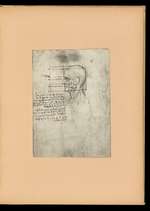
Notes and Drawings on Generation and the Mechanism of Intimate Functions
Leonardo da Vinci, 1880First Complete Translation
This collection showcases Leonardo's groundbreaking anatomical studies of human reproduction and internal functions, revealing his detailed and often revolutionary understanding of the human body as a complex "mechanism." It demonstrates his fearless inquiry into all aspects of life.
Notes and Drawings on the Heart and its Anatomical Structure
Leonardo da Vinci, 1880
A landmark in medical history, this work documents Leonardo's meticulous dissection and accurate reclassification of the heart as a powerful muscle, along with its intricate structure and function, centuries ahead of his time. It exemplifies his empirical rigor in anatomy.
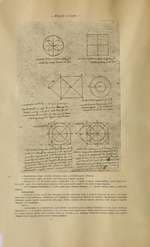
Notes and Sketches on Geometry
Leonardo da Vinci, 1880First Complete Translation
This collection provides crucial insight into Leonardo's foundational belief in mathematics as the universal language of nature, showcasing his geometric explorations that underpinned his artistic compositions and engineering innovations. It reveals the rational framework behind his observations.
Notes and Sketches: Civil, Military, and Naval Architecture
Leonardo da Vinci, 1901First Complete Translation
This volume powerfully demonstrates Leonardo's practical genius as an engineer and architect, showcasing his innovative designs and theoretical insights across civil, military, and naval applications. It highlights his ability to translate scientific understanding into functional solutions.
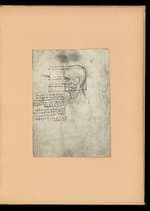
Notes and Drawings on the Human Body
Leonardo da Vinci, 1880
This collection offers a broad overview of Leonardo's anatomical studies, focusing on human measurements and proportions, and underscoring his view of the body as a microcosm reflecting universal laws. It serves as an excellent introduction to his comprehensive approach to human anatomy.
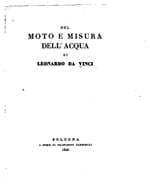
On the Motion and Measurement of Water
Leonardo da Vinci, 1923
This profound scientific treatise reveals Leonardo's advanced understanding of hydraulics and fluid dynamics, applying rigorous scientific principles to map the behavior of water and its significance in the natural world. It showcases his mastery of environmental engineering.
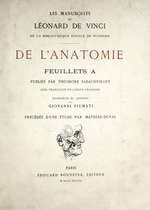
The Manuscripts of Leonardo da Vinci: On Anatomy, Folios A
Leonardo da Vinci (ed. Sabachnikoff & Piumati), 1901
This volume, part of the significant Sabachnikoff & Piumati edition, focuses specifically on Leonardo's anatomical folios, showcasing his unparalleled integration of art, engineering, and biology in his human body studies. It provides detailed insights into his anatomical research.
All Books
Browse Full Catalog→48 books in this collection
The Manuscripts of Leonardo da Vinci
Leonardo da Vinci (ed. Sabachnikoff & Piumati)
A Treatise on Painting
Leonardo da Vinci
Forster Notebook I
Leonardo da Vinci
Notes and Drawings on the Human Body
Leonardo da Vinci
Selected Texts: Thoughts, Theories, Precepts, and Fables
Leonardo da Vinci
The Notebooks of Leonardo da Vinci
Leonardo da Vinci (ed. Jean Paul Richter)
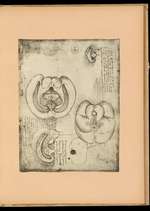
Sketches and Drawings of Nerves and Vessels
Leonardo da Vinci
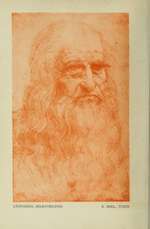
Leonardo da Vinci: Thinker, Researcher, and Poet
Leonardo da Vinci
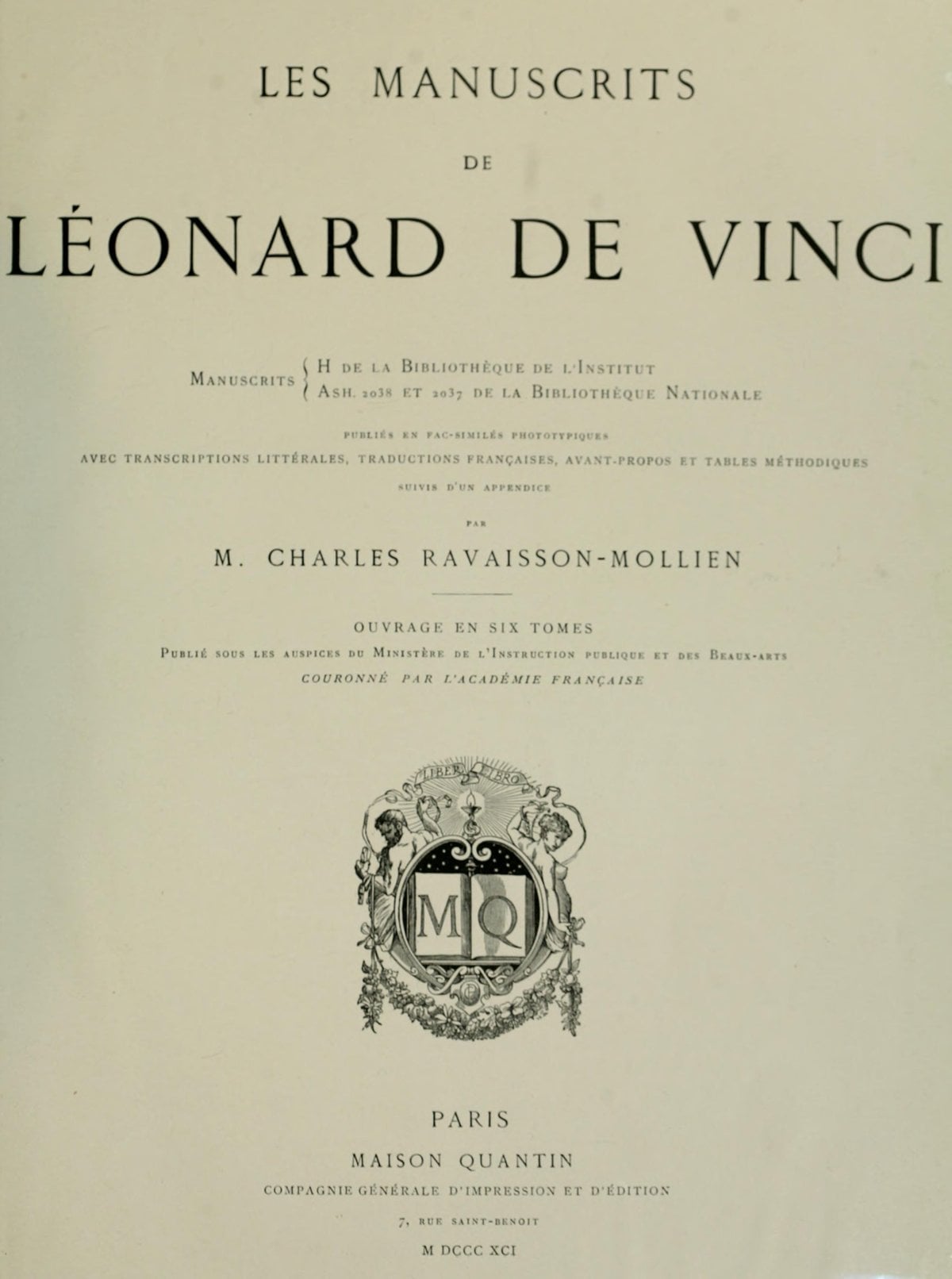
The Manuscripts of Leonardo da Vinci, Vol. 6
Leonardo da Vinci (ed. Ravaisson-Mollien)
The Manuscripts of Leonardo da Vinci
Leonardo da Vinci
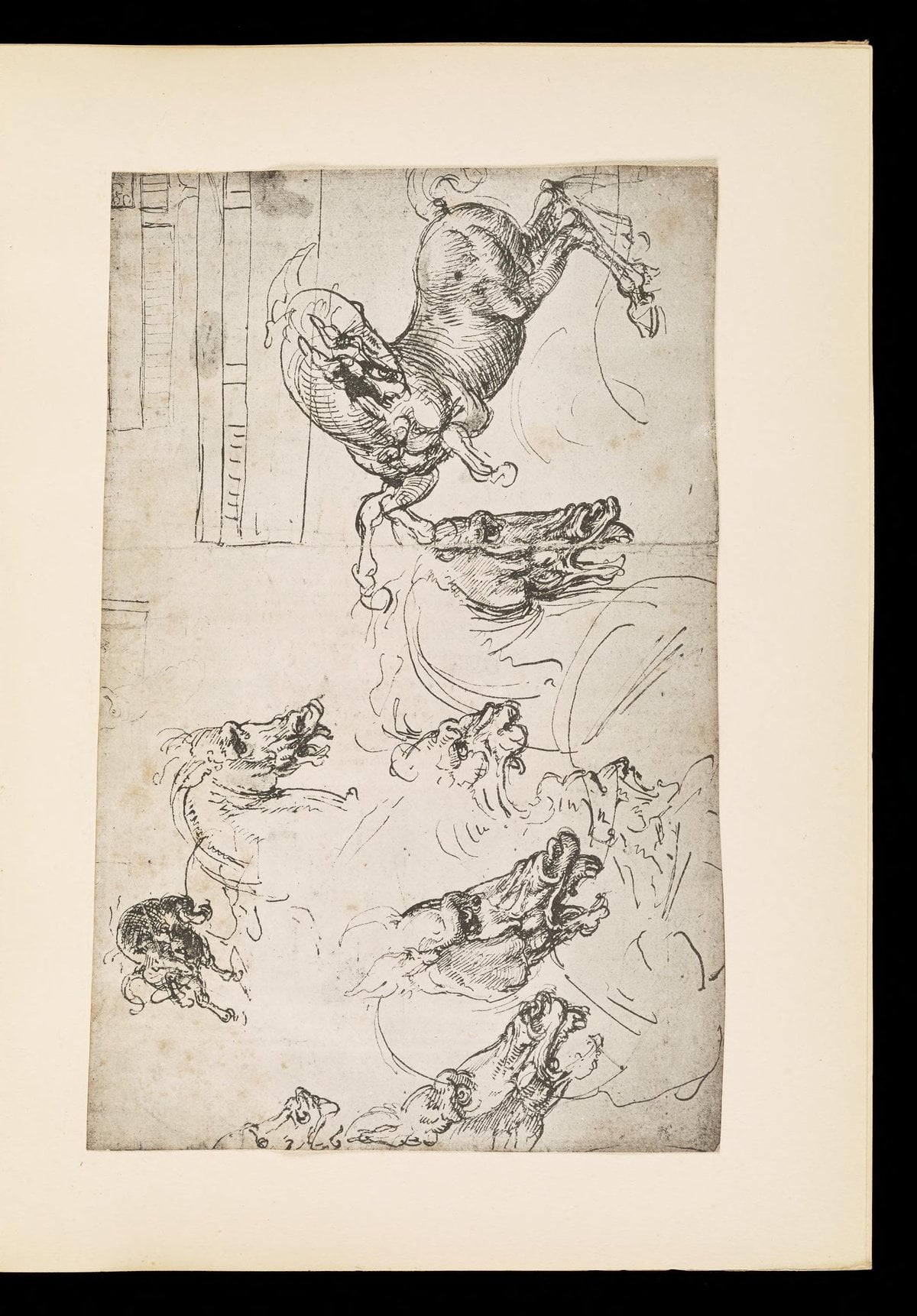
Notes and Sketches on the Anatomy of the Horse, Vol. 2
Leonardo da Vinci
The Atlantic Codex
Leonardo da Vinci
The Forster Notebook III
Leonardo da Vinci
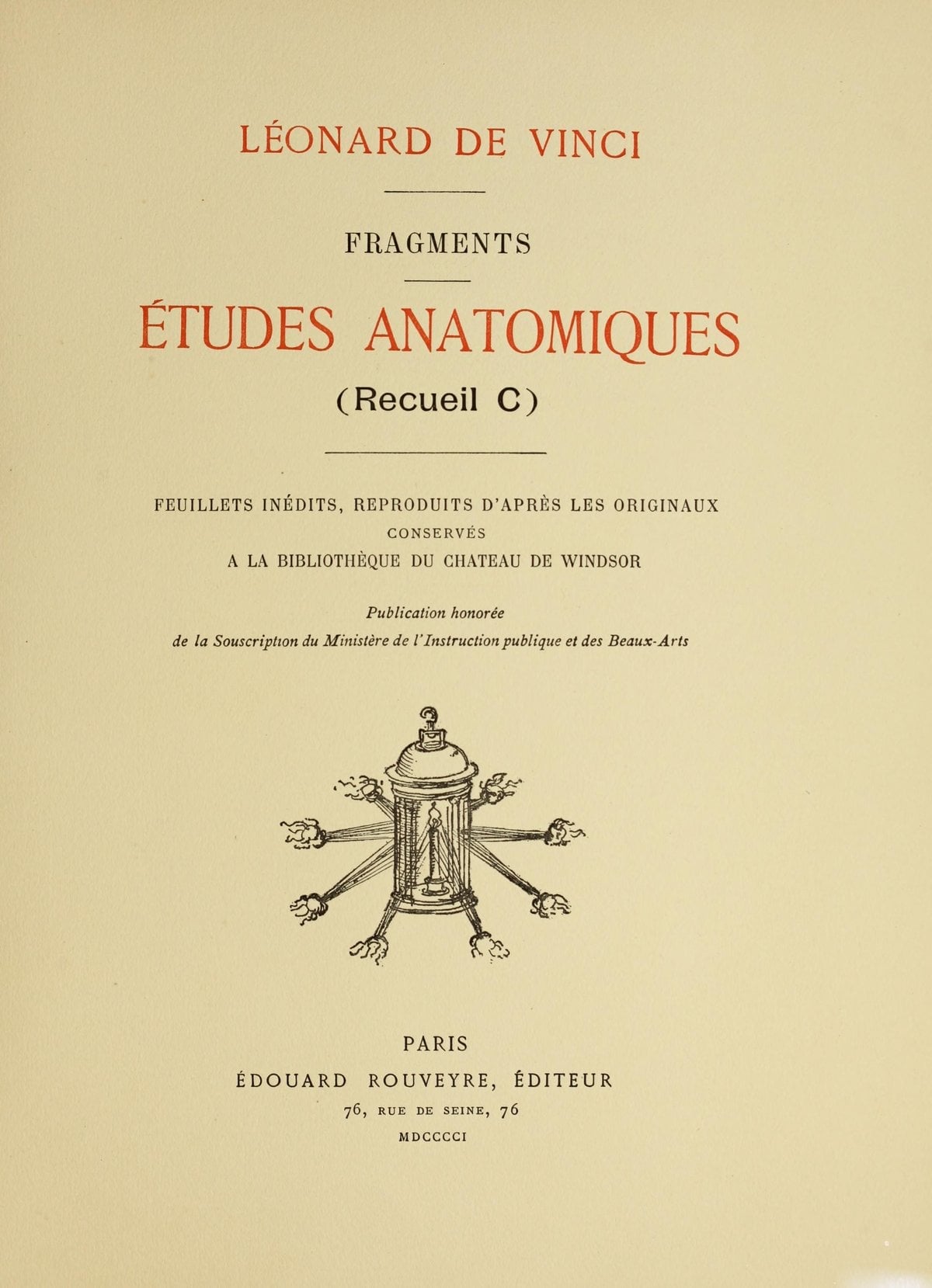
Fragments: Anatomical Studies
Leonardo da Vinci